Rising energy costs and unpredictable utility rates have turned electricity into a growing line item for many commercial properties. Solar changes the math completely. With the right solar energy system, businesses lock in long-term cost savings, build energy independence, and strengthen their brand around clean energy.
At Kokosing Solar, we bring 25+ years of solar expertise and 74 years of construction experience to deliver reliable, high-performing solar solutions for commercial buildings across Ohio. We design in-house, use NABCEP-certified installers, and stand behind our work as Ohio’s longest-standing full-service solar installer.
The long-term financial benefits of commercial solar
A well-designed solar power system reduces operating costs for decades. The value builds year after year as utility companies raise rates. Here is a clear way to think about the financial benefits:
- Upfront cost stack: initial investment, installation costs, solar equipment, solar inverters, system size, and system design.
- Available incentives: federal investment tax credit, federal tax credit, investment tax credit, tax incentives, state incentives, renewable energy credits, and the modified accelerated cost recovery system for accelerated depreciation. Work with your advisor to confirm tax benefits.
- Annual value drivers: energy production, energy savings, avoided electricity bills, lower operating expenses, and stronger cash flow.
Simple framework to run the numbers:
- Net project cost = upfront cost minus available incentives
- Annual savings = projected energy production multiplied by your blended utility rates
- Payback period = net project cost divided by annual savings
- Lifetime return = total avoided utility bills over 25 years minus maintenance and operating costs
This structure applies to most commercial solar projects, whether you own your building or manage multiple commercial properties. Solar investment performance improves as energy costs rise, which many business owners already see in their monthly energy bills.
What is the real payback period for a commercial solar system?
Payback depends on system size, sunlight, installation costs, utility rates, and incentives. Most businesses evaluate projects by comparing net cost after incentives to annual savings on electricity bills. The break-even year arrives when total savings equal the net project cost, then the system generates positive cash flow.
Cut risk and gain energy independence
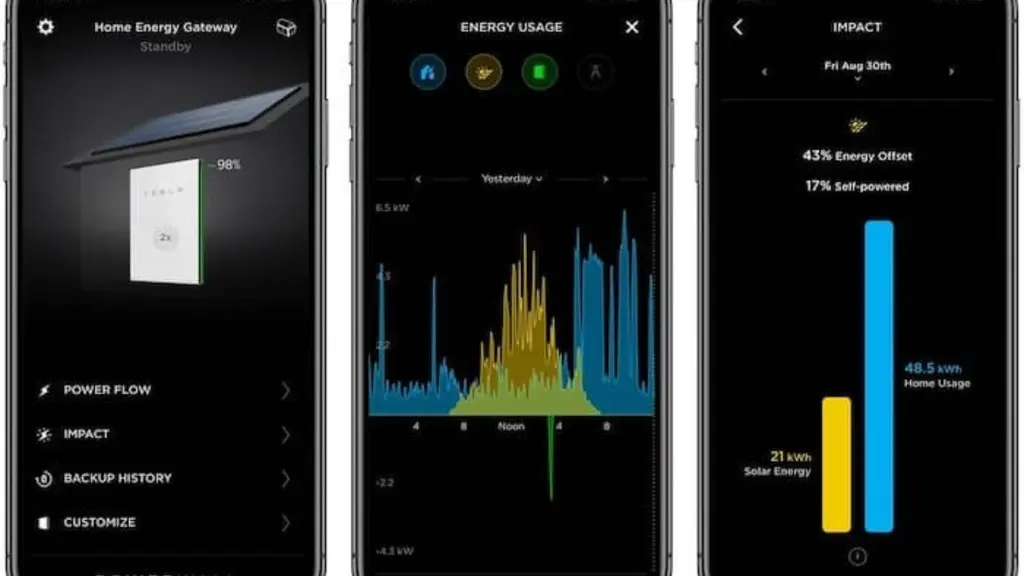
Solar power brings control back to the business owner. Onsite solar energy lowers exposure to rising energy costs and provides more predictable operating costs over time. With energy storage and battery storage, you can store excess power produced during the day and use it later to reduce peak charges or support critical loads. Net metering policies in many areas allow credits for surplus generation exported to the grid. Your specific options for a solar panel system depend on local rules and your utility companies.
A resilient solar energy strategy can include:
- Solar panels paired with energy storage for backup and demand management
- A solar power system sized for your load profile and roof layout
- Integration with building controls to optimize energy production and usage
Strengthen your brand with clean energy
Customers, employees, and communities value credible action on climate change. Solar power and renewable energy reduce a facility’s carbon footprint and overall environmental impact. The environmental benefits are clear, and many organizations also use renewable energy credits to document progress toward sustainability goals. Visible solar installations on commercial buildings signal leadership and commitment to clean energy.
Incentives and financing options for commercial solar power
Commercial solar energy can qualify for financial incentives that improve ROI. Common tools include:
- Federal investment tax credit and federal tax credit for eligible solar projects
- Modified accelerated cost recovery system (MACRS) depreciation with potential bonus depreciation
- State incentives and local programs where available
- Renewable energy credits or performance-based payments in some markets
Financing options can align the project with your balance sheet:
- Cash purchase to maximize tax benefits and long-term returns
- Loans or capital leases to spread the upfront cost
- Power purchase agreement (PPA) structures where a third party owns the system, and you buy solar power at a set rate
Kokosing Solar helps you evaluate available incentives and choose an approach that supports your cash flow goals without pressure or gimmicks.
Show the math with a simple example framework
Every facility is unique, yet the decision process follows clear steps:
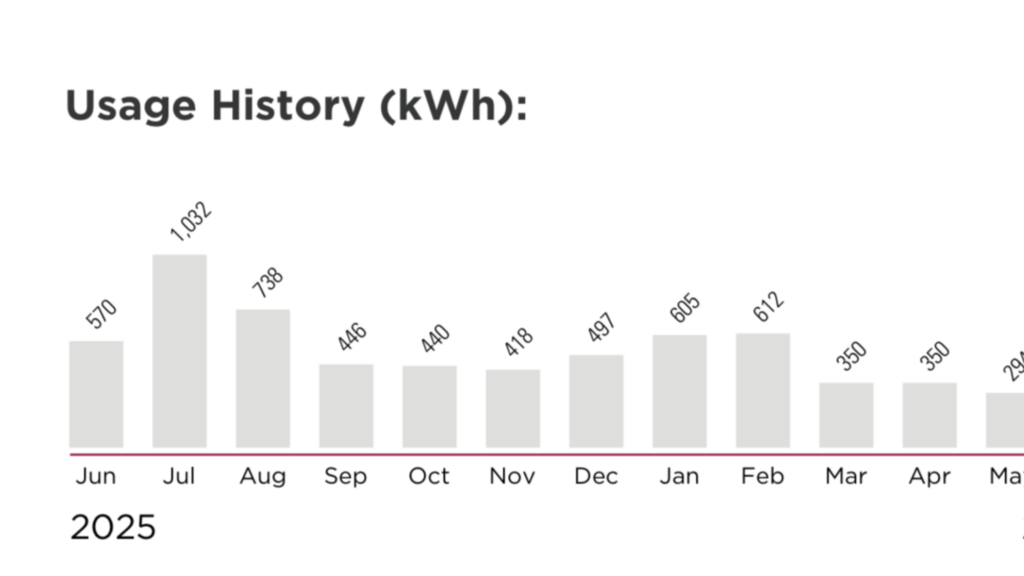
- Baseline: Gather 12 months of utility bills to confirm current energy costs and rate structures.
- Production: Estimate annual energy production from a commercial solar energy system based on roof area, tilt, and site conditions.
- Savings: Multiply production by your blended utility rates to estimate energy savings.
- Incentives: Subtract the value of the investment tax credit and other financial incentives from the initial investment.
- Results: Calculate payback period, internal rate of return, and lifetime cost savings.
This evaluation gives decision-makers a transparent view of cost savings, operating costs, and long-term outcomes.
From assessment to solar panel installation: how Kokosing Solar delivers results
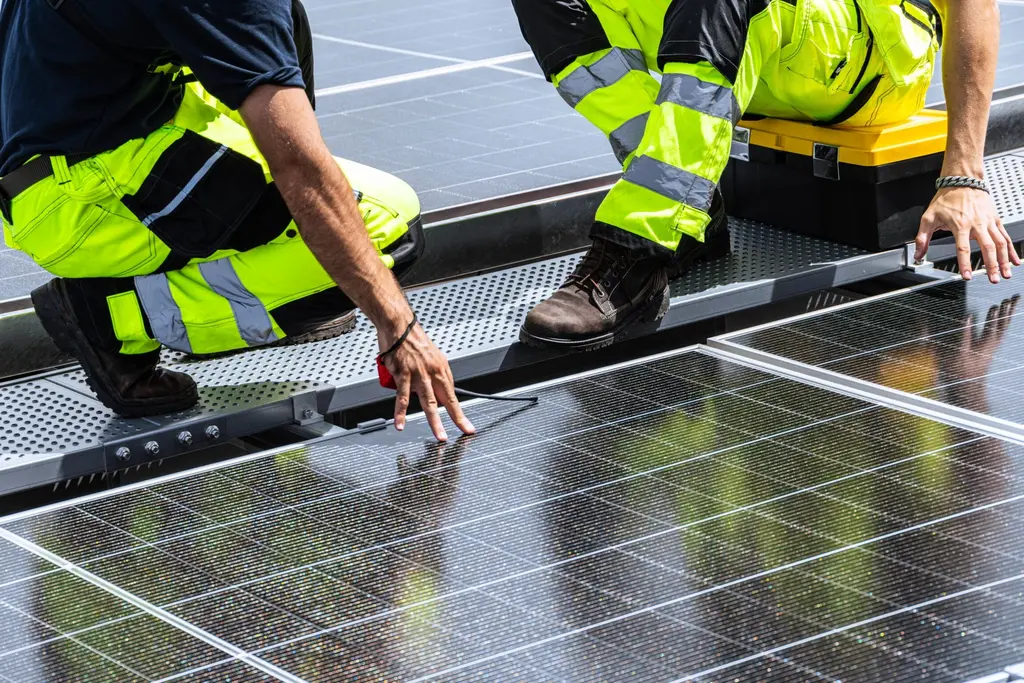
We start with a detailed site assessment and system design, then manage engineering, permitting, and solar panel installation. Our team specifies durable solar equipment and solar inverters that match your goals for performance, energy storage, and long-term reliability. After commissioning, we support you with operations and maintenance services for smooth performance.
Who we serve:
- Private commercial buildings and campuses
- Government and municipality facilities
- Education and non-profit organizations
- Houses of worship and agriculture operations
- Project developers seeking a proven solar company for commercial solar installations
Kokosing Solar is part of the Amicus Solar Cooperative, which combines national-level buying power with local accountability. We bring deep construction know-how to complex commercial solar projects and solar solutions that stand the test of time.
Will solar work on my facility and timeline?
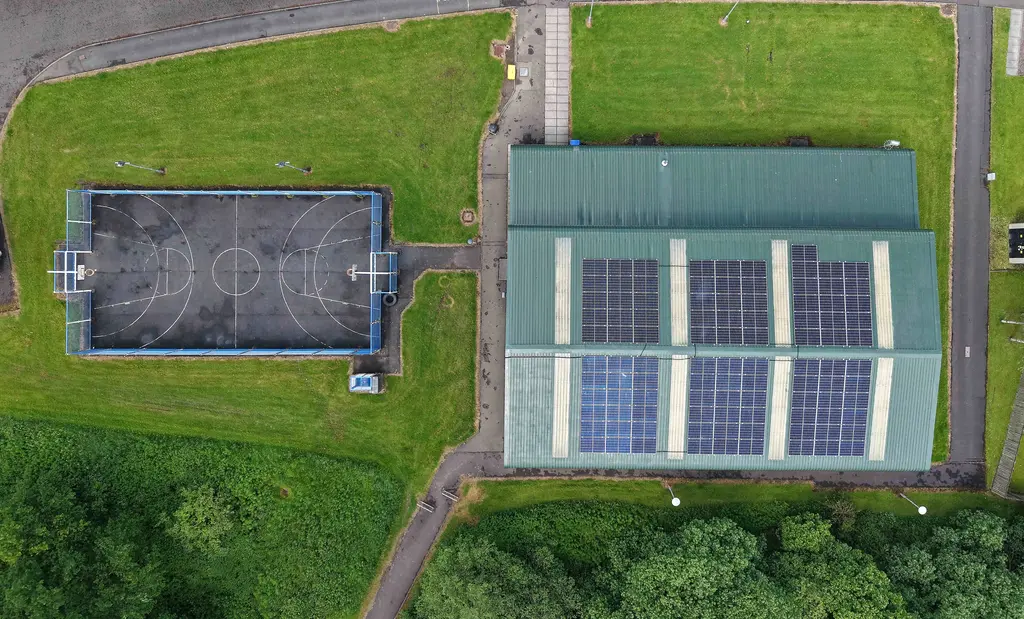
Most commercial properties can support a solar system if the roof is in good condition and has sufficient space. Ground-mounted solar installations are an option for larger sites. We align the project plan with your operating schedule to minimize disruptions and keep your team focused.
How do you start your commercial solar project?
- Share recent utility bills so we can benchmark your electricity usage and utility rates.
- Request a preliminary system design and system size estimate based on roof or site details.
- Review a clear proposal with installation costs, incentives, payback period, and projected cash flow.
- Decide on financing options, such as a loan, lease, or power purchase agreement.
- Move forward with a turnkey solar panel installation led by NABCEP-certified professionals.
Why Kokosing Solar
- Experience and reliability: 25+ years of solar installations backed by 74 years in construction
- Internal engineering and system design for quality control
- NABCEP-certified installers and a commitment to long-term service
- Transparent proposals that show the math and focus on measurable outcomes
Ready to turn the reliable, free energy of the sun into savings for your business? Schedule a free assessment with Kokosing Solar to build a plan that delivers dependable energy savings for decades.