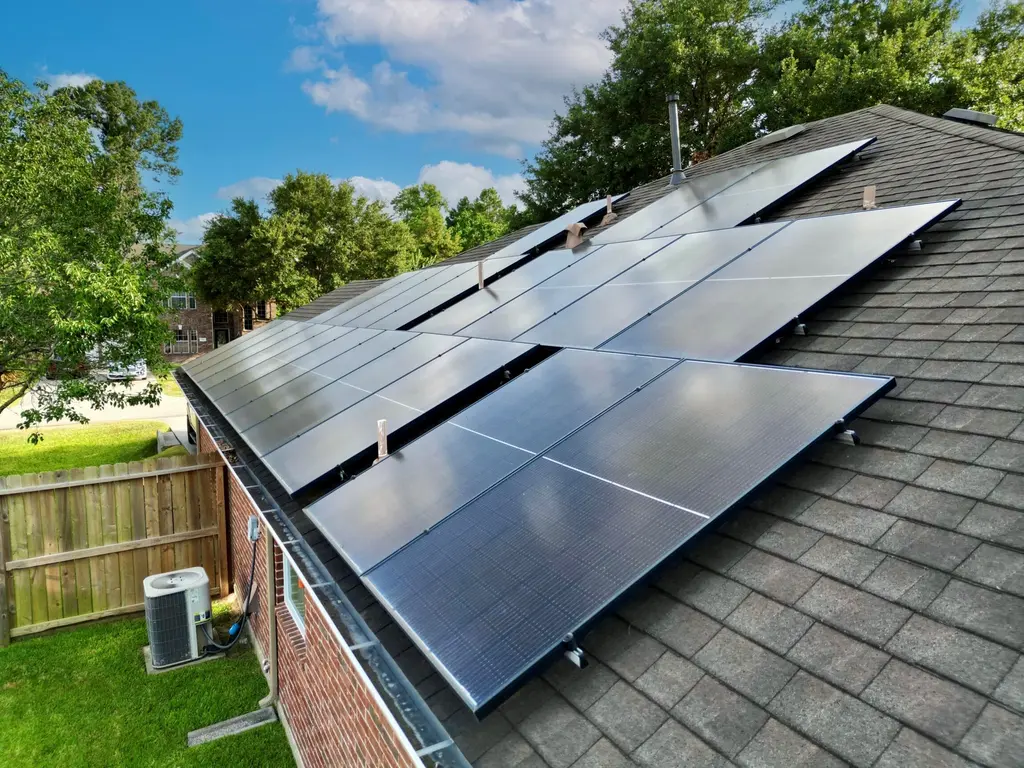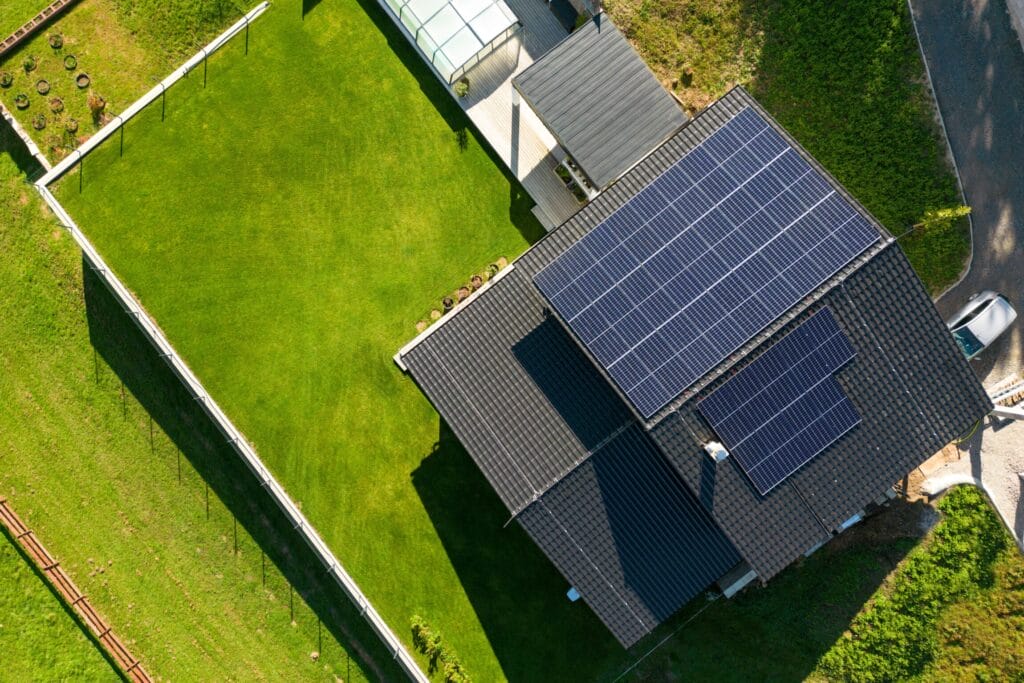
Rising utility bills have changed how homeowners view upgrades. A renovated kitchen or finished basement adds appeal and space, but solar transforms the equation by lowering energy costs month after month and turning your roof into a long-term asset that produces power.
So, do solar panels increase home value? Across the United States, studies and real estate data show a consistent trend: properly installed residential solar panels are often associated with higher sale prices and strong buyer interest, especially when the system is owned and documented. At Kokosing Solar we help you understand what appraisers, lenders, and potential buyers look for can help position your system as a value-add.
Do solar panels increase home value?
Yes, national studies and real estate analyses show that homes with solar installations often sell for a premium compared to similar homes without them. Appraisers and buyers value owned systems, clear documentation, and predictable energy production. Leased systems can be managed but may require extra coordination during resale, potentially affecting buyer preferences.
What the research shows about solar and resale
Several studies highlight a positive relationship between solar PV and home value. A Lawrence Berkeley National Laboratory (LBNL) study found that homes with owned PV systems sold for more, on average, than comparable homes without solar. Zillow also reported sale-price premiums tied to solar systems, with variations based on market and home characteristics.
Buyers recognize that a home generating electricity can reduce electric bills and insulate them from rising electricity rates. When benefits are easy to verify, solar becomes a tangible feature, similar to efficient HVAC systems or newer windows, except it actively produces solar electricity.
Why buyers pay attention to energy costs
While homeowners can estimate mortgage costs, utility bills are often unpredictable. Renewable energy earns attention by offering savings and predictability, especially in areas with rising rates. A solar energy system provides a track record of savings and greater control over energy costs.
For many families, energy is about independence. Energy independence reduces reliance on local utilities and allows homeowners to produce their own power. Solar supports this goal by converting a renewable energy source into usable electricity, even on cloudy days, with optimal performance on sunny days.
Owned vs. leased systems (and why it matters for resale)
How you pay for solar influences how buyers view it. Real estate professionals often distinguish between owned systems and third-party ownership.
- Owned residential solar system: The homeowner owns the equipment, making it easier for appraisers to assign value based on documented performance and remaining equipment life.
- Power purchase agreement or lease: A third party owns the equipment, requiring buyers to assume the agreement, qualify, or negotiate a buyout. While manageable, it adds steps.
Ownership creates a cleaner path for resale. If a lease or power purchase agreement is part of your plan, clarity and paperwork are essential. Buyers want straightforward terms, known monthly costs, and a smooth transfer process.
The appraisal side: how value can be documented
Appraisers rely on verified, supportable data. The Appraisal Institute provides guidance for documenting PV features. Homeowners can prepare by keeping:
- Contracts and equipment specs for the solar array
- Final permits and inspection records
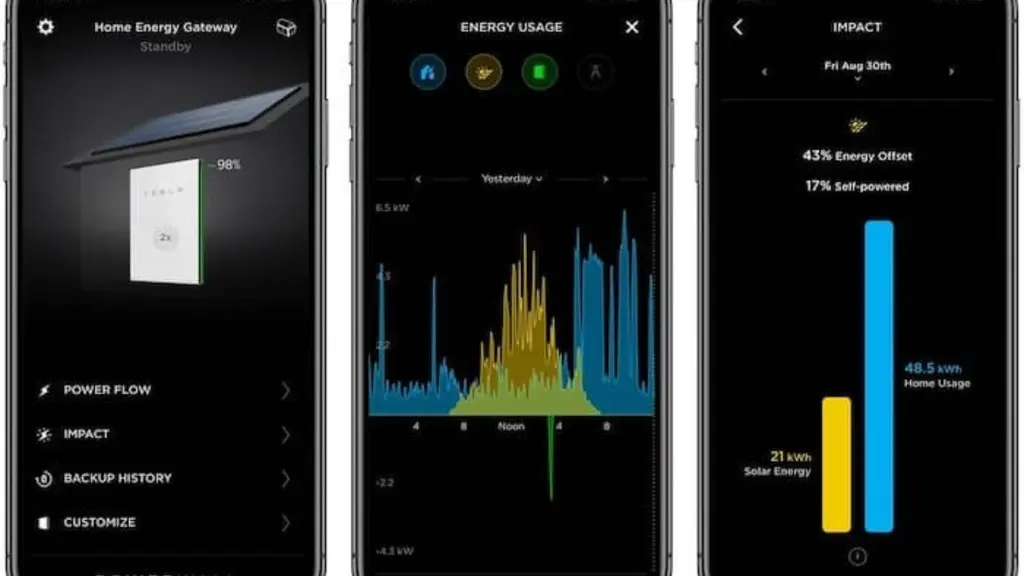
- Monitoring reports showing historical energy production
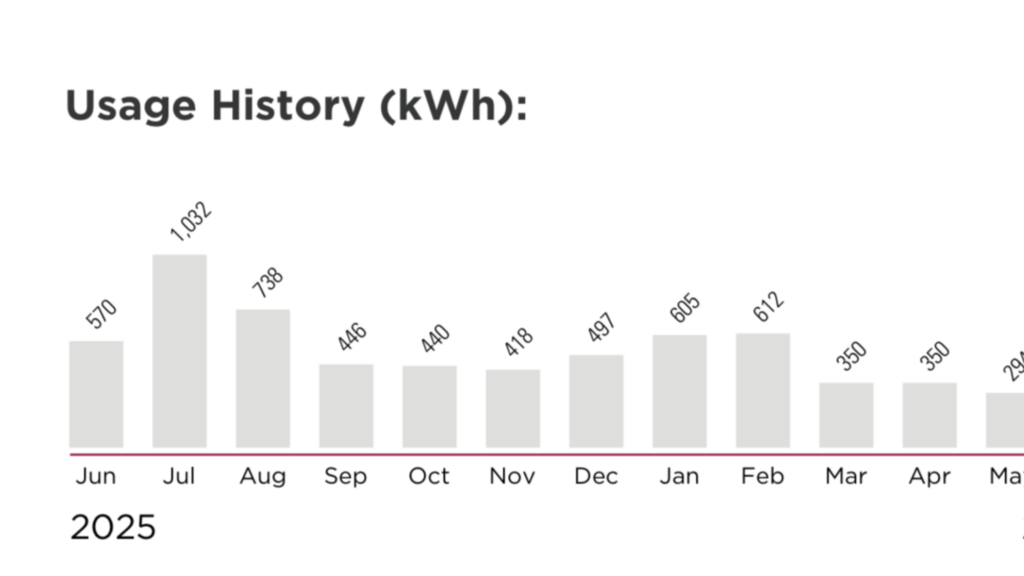
- Utility statements demonstrating reduced usage or credits through net metering
- Warranty and service plan information
These details help appraisers understand the system size, number of panels, and reliable energy generation, supporting the idea that the system produces measurable value.
“Show the math”: a simple way to think about ROI and value
Solar is often evaluated through monthly savings, but resale value depends on how buyers view long-term operating costs. A basic framework includes:
- Current average monthly electricity spending and electricity usage
- Projected post-solar net costs, factoring in net metering rules
- Applicable financial incentives, such as the federal solar investment tax credit
- Potential role of energy storage, which can change how power is used
Buyers often ask simple questions: how much electricity will this produce, how much sunlight does the roof get, and what happens to the bill? Real monitoring data makes the value easier to understand.
What determines whether solar is a good fit for your home?
Performance and value depend on site factors and system design. Key inputs include:
- Roof size and usable area
- Roof orientation and shading, affecting sunlight exposure
- Household usage, including EV charging and seasonal electricity consumption
- Target offset: how much power the system should cover
- Equipment quality and installation workmanship from a qualified solar installer
A well-matched system stabilizes costs, while an oversized or poorly designed system can complicate resale conversations.
How incentives and tax breaks influence perceived value
Incentives like the federal residential clean energy credit, often called a tax credit, reduce upfront costs for eligible homeowners. State and utility programs may add value, though availability varies by location and year.
Resale value is influenced by incentives in two ways: reducing installation costs and accelerating payback through lower bills. Buyers purchase homes with solar partly for these lower operating costs. If claiming tax breaks, keep documentation with system records for simpler disclosures.
Clean energy benefits buyers still care about
Beyond financial value, many buyers consider environmental impact. Solar reduces reliance on fossil fuels, lowers greenhouse gas emissions, and shrinks a home’s carbon footprint. For some, these benefits align with personal values around clean energy and climate change.
In many markets, energy-efficient features drive buyer demand, with solar at the top of the list due to its measurable results.
Positioning solar like other high-value home upgrades
When selling, present solar as a core home feature with documentation, performance history, and clear ownership. Real estate listings should explain savings and provide facts buyers want, such as:
- Installation year and ownership status
- Solar electric system specifications, including system size
- Monitoring totals for annual output and peak months
- Utility-bill “before and after” summaries showing reduced costs
- Whether the home includes energy storage and its usage
Solar complements upgrades like a renovated kitchen or finished basement but offers unique value by reducing monthly costs and enabling power generation from day one.
Why local experience matters for long-term value
Resale value depends on confidence. Buyers want assurance that the system was designed correctly, installed safely, and supported for the equipment’s lifespan. Kokosing Solar brings decades of experience in construction and solar, with in-house design, NABCEP-certified installers, and long-term service commitments. As Ohio’s longest-standing full-service solar installer, Kokosing Solar focuses on systems that perform and support that lasts.
Maintenance, monitoring, and clear documentation ensure a solar system delivers value over time, whether you stay in the home or decide to sell.
Ready to run the numbers for your roof?
If you are considering Residential Solar for savings today and stronger resale tomorrow, start with a clear plan. Kokosing Solar can review your site, evaluate your solar energy potential, and estimate production based on your roof and historical usage.
Request a free assessment for a straightforward assessment of the right solar panels, expected output, and the smartest path for your home.