Rising electricity rates have made monthly utility bills unpredictable. Many homeowners seek stable energy costs, and residential solar offers a practical way to generate your own electricity from a reliable clean energy source. Timing is crucial: solar incentives and financial incentives can significantly reduce upfront costs, but only if you understand what applies to your home and when to file.
Kokosing Solar helps homeowners plan projects with the full picture in mind: solar panel installation, expected solar production, and the incentives that can improve solar energy savings. With decades of experience as Ohio’s longest-standing full-service solar installer, Kokosing Solar provides clear guidance, accurate planning, and long-term support.
Why incentives matter for residential solar ROI
A home solar power system is a long-term investment. Incentives improve the return by lowering the cost of the system or increasing the value of each kilowatt-hour your solar energy system produces. This is important because most homes still rely on a utility company for some power, and your bill depends on both electricity usage and the price per unit of energy.
Here’s the basic math to keep in mind:
- Lower installation costs and equipment costs improve your payback timeline.
- Lower net costs can make a solar loan easier to size and budget.
- Programs like net metering can credit you for excess electricity sent to the electric grid, depending on local rules.
Solar changes the math completely when incentives align with a strong design and realistic production estimates. A solid plan starts with your historical electricity consumption, roof conditions, and the amount of sunlight your site receives.
The federal solar tax credit (Investment Tax Credit) basics
For many homeowners in the United States, the federal solar tax credit, or Investment Tax Credit (ITC), is the most significant incentive. This tax credit applies to qualified solar equipment costs for a home solar project, reducing the net out-of-pocket cost after you file.
Key reminders:
- A tax credit reduces your federal tax liability when you file, subject to your individual tax situation.
- Keep documentation from your solar company and installer to support your claim.
- Use official sources for current rules and eligibility, such as IRS guidance for the energy credit.
Since tax guidance can change and individual circumstances vary, confirm details with a qualified tax professional. Your installer can help you understand eligible project costs, but protect your sensitive information and only share personal tax documents through secure, professional channels.
What counts toward the tax credit for solar panels and related equipment?
Homeowners often ask what parts of a project qualify. Generally, the credit applies to eligible costs for installing a home solar panel system, including:
- Core components like solar panels and inverters that convert solar power into usable electricity.
- Racking and mounting hardware for a safe, code-compliant installation.
- Electrical work connecting the system to your home and the electric grid.
- Optional add-ons like battery storage, if included in your project.
Kokosing Solar’s design approach ensures clarity so homeowners understand what they are buying and how each component supports expected energy production.
How net metering influences your electric bills
Net metering is a billing mechanism that credits homeowners for excess electricity sent to the grid. Depending on your utility’s policy and state rules, these credits can offset future usage.
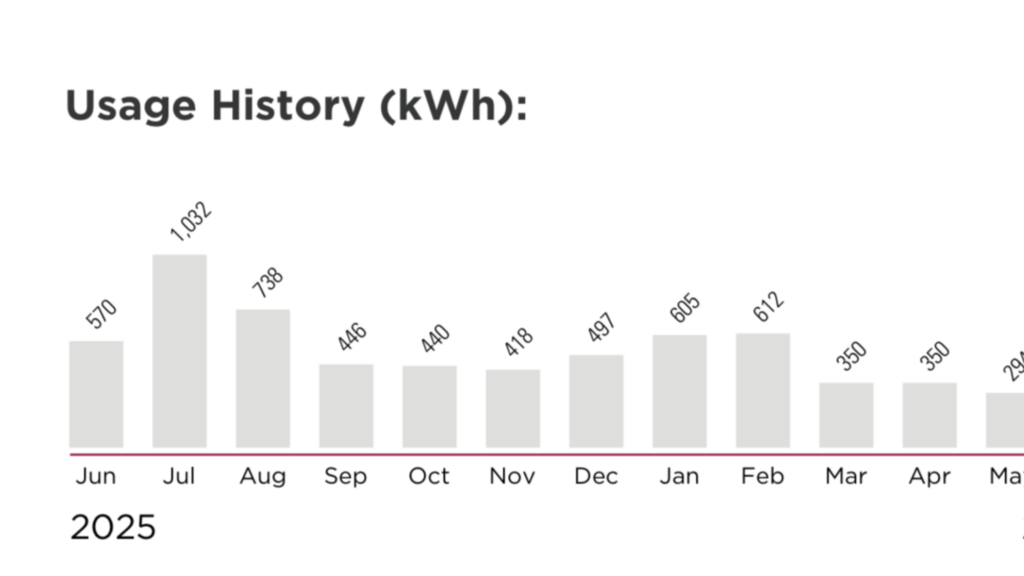
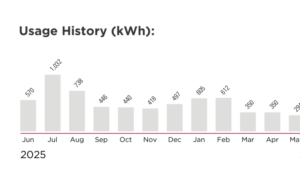
This matters because your monthly energy bills depend on how you use power across seasons. In Ohio, air conditioning, heating, and lifestyle patterns can significantly affect energy usage. A well-designed solar system aims to match your annual needs, but net metering credits help balance daytime production with evening use.
Confirm net metering details directly with your utility company, as credit structures and interconnection requirements vary.
Should you add battery storage to your solar power system?
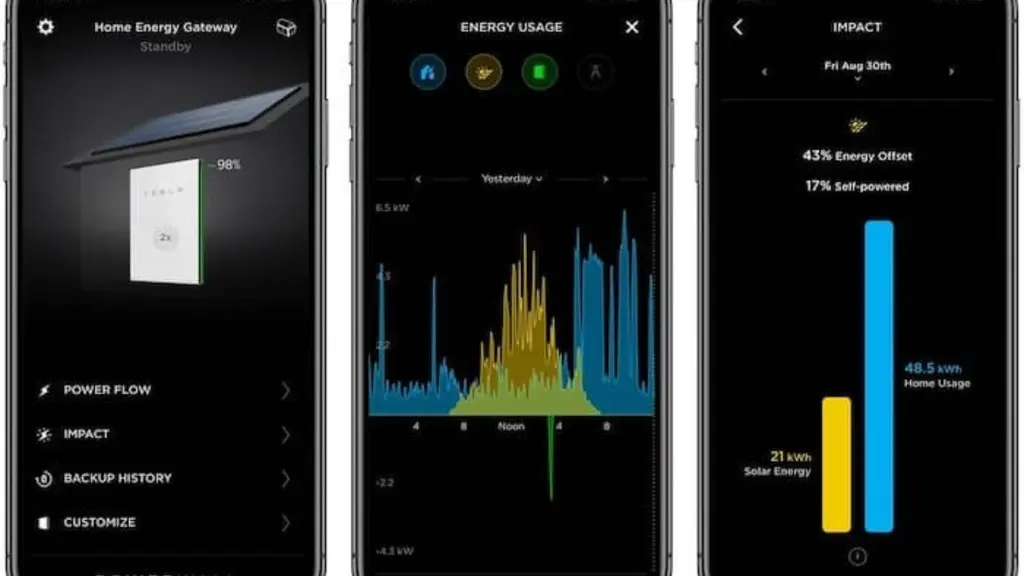
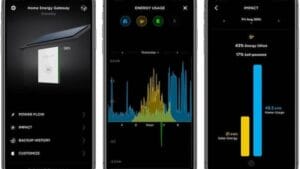
Battery systems are increasingly popular for homeowners seeking greater energy independence. Battery storage allows you to use stored solar energy during outages or in the evening when panels aren’t producing power.
When evaluating energy storage, consider:
- What loads you want to back up and for how long.
- Whether critical circuits in your home need to stay powered.
- Your typical daily electricity usage.
- The total installed cost and expected value over time.
A consultation can help determine if storage aligns with your priorities. For many, a battery is a strategic upgrade that can be added now or planned for later alongside a strong base system.
State, local, and utility solar incentives to look for
Beyond federal programs, additional solar incentives may be available through state, local, and utility channels. These programs vary widely, so verify details directly through the program administrator’s website.
Common categories include:
- Utility rebates or performance programs from a utility company.
- Local programs tied to energy efficiency goals or energy efficiency upgrades.
- Property tax or local assessment considerations in some jurisdictions.
- Limited-time offers promoting renewable energy adoption and reducing household carbon footprint.
For research, prioritize reputable sources like your utility’s program pages or organizations such as the National Renewable Energy Laboratory (NREL). Save application links and confirm timelines before scheduling installation.
Planning and timing: how to avoid the hidden cost of doing nothing
Timing matters for incentives in two ways. First, some programs have deadlines or limited budgets. Second, every month you wait is another month of paying full retail electricity rates. This is the hidden cost of doing nothing, especially during periods of rising utility rates.
Project planning for residential solar typically includes:
- Reviewing past bills to estimate total electricity consumption.
- Measuring available roof space and assessing shading and amount of sunlight.
- Estimating annual production and right-sizing the number of solar panels.
- Coordinating interconnection rules and net metering paperwork.
- Building an incentive checklist for the federal tax credit and local programs.
Planning early allows time to compare financing options, such as cash purchase vs. a solar loan, and align installation with incentive deadlines.
Solar incentives and home value
Homeowners often wonder how solar affects resale. While real estate markets vary, a properly designed system can attract home buyers by reducing ongoing utility costs. Many buyers value producing own power and stabilizing monthly expenses.
To maximize resale value, keep records of your system specifications, warranty documents, and monitoring information. Clear documentation communicates the system’s benefits, including how much electricity it produces and its impact on household budgeting.
If resale is a consideration, discuss ownership structure and financing transferability with your installer. Clarity protects both you and future homeowners.
The simplest next step: run the numbers with a trusted solar panel installation company
Incentives can feel complex, but the process becomes clearer with a site-specific plan. Kokosing Solar helps homeowners evaluate residential solar with practical guidance on design, permitting, incentive documentation, and long-term service. You get a solar solution tailored to your home, energy consumption, and goals for clean energy and independence.
Ready to see what incentives you qualify for and what the savings could look like? Schedule a residential consultation with Kokosing Solar to explore system sizing, estimated production, and the federal and local tax incentives that may apply.