Rising electricity costs and frequent utility bill surprises push many families to act. The right time to invest in home solar panels is when your house, your energy use, and your finances line up. At Kokosing Solar, Ohio’s longest-standing full-service solar installer, we help homeowners make clear, confident decisions rooted in experience and facts.
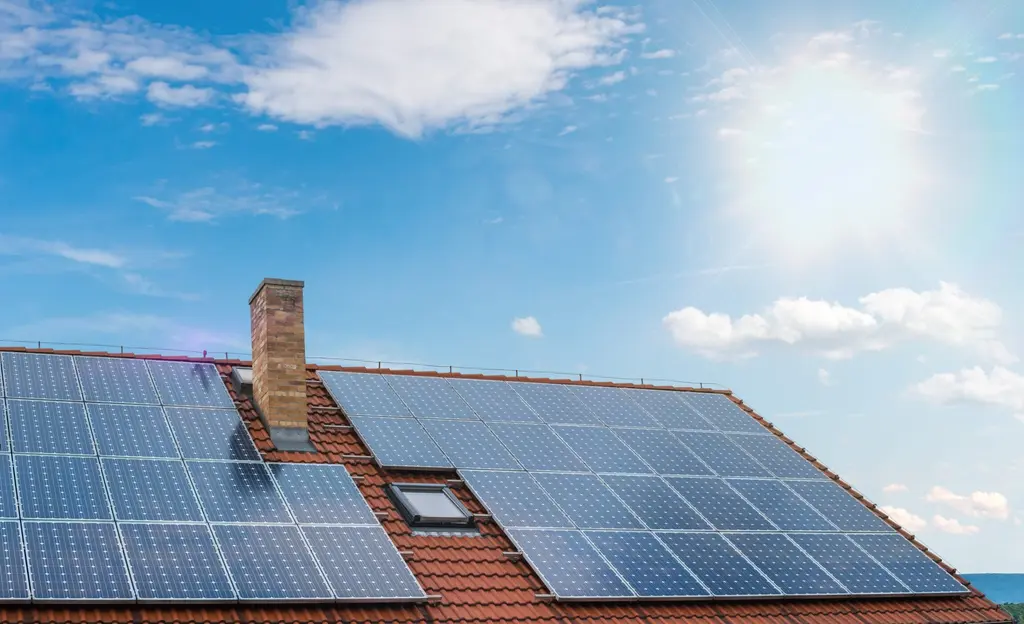
1. Your roof is ready for solar energy
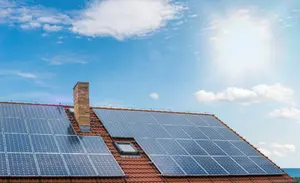
A strong roof and smart layout make solar panel installation smooth and cost-effective. Look for:
- Solid roof structure with 10 to 15 years of useful life remaining
- Sun-facing roof planes with minimal shading
- Room for a properly sized solar array and rooftop panels
- Safe pathways and clearances that meet local codes
As part of your assessment, our team reviews system size, panel layout, and the best location for your solar panel system. We evaluate energy production potential, coordinate with your electric utility on interconnection, and recommend durable solar equipment designed for reliable solar electricity over decades. A good roof and a thoughtful solar panel plan protect your initial investment and support long-term energy independence.
2. Your home gets strong sun exposure for solar power
Consistent sun exposure is key to turning a renewable energy source into dependable savings. South- and west-facing roof planes often deliver strong energy production. Trees, chimneys, and nearby buildings can cast shade that reduces output. Our in-house designers model your site conditions so the solar system you choose performs as expected.
How do I check my roof’s sun exposure and potential solar power?
Start with a simple visual scan at different times of day to note shade patterns. Then explore free resources from the Department of Energy and the National Renewable Energy Laboratory for regional solar maps in the United States. A site visit confirms details like roof pitch, obstacles, and how much power your roof can support.
We also align the plan with net metering policies and your electric utility’s interconnection requirements. Good sun plus a clean layout equals predictable energy production and a smoother solar installation experience.
3. Your energy use supports a right-sized solar panel system
Your monthly electric bill contains the data we need. Gather 12 months of electricity bills to build your own database of usage. This helps size the solar energy system and identify energy efficiency upgrades that reduce energy costs before you invest.
Show the math:
- Tally annual kilowatt-hour usage from electricity bills
- Note seasonal swings and any expected changes
- Consider future loads like EVs and heat pumps
- Map usage to a proposed system size and rating system
This simple approach lets us compare electricity rates from your utility company against expected solar electricity. It also clarifies if battery storage or a solar battery makes sense for backup power during power outages. Efficient homes require fewer panels and return value faster.
4. Your financing options and available incentives line up
A clear plan for upfront costs is a strong sign you are ready. Homeowners often combine the federal solar tax credit with a solar loan or a cash purchase to balance the initial investment and monthly cash flow. In some parts of the United States, a power purchase agreement may be an option. Check current tax credits and available incentives with your tax professional.
Key items to review:
- Federal tax credit and state or local programs
- Average cost of equipment and labor in your area
- Financing options that fit your goals and risk tolerance
- Utility company interconnection steps and any small fee that may apply
- How net metering credits excess energy to lower future energy bills
When you understand the cost of electricity over time, solar changes the math completely. You replace rising electricity rates with a stable payment on a solar loan or a one-time investment that returns value for decades. That stability protects your budget from the cost of electricity volatility.
5. You want energy independence and reliable backup power
Many homeowners pursue renewable energy for environmental benefits. Others prioritize resilience and savings. Both goals align with clean energy. Solar paired with energy storage gives you backup power when the grid goes down, and net metering can reduce utility bills when the grid is up. This combination lowers your carbon footprint, cuts greenhouse gas emissions from fossil fuels, and strengthens your home’s value story.
Consider how solar can support:
- Lower electricity costs with long-term savings
- Reduced environmental impact and community air quality
- Seamless backup power for essential loads
- Flexible battery storage settings that match your needs
A well-planned system can also support property value and overall home value. Buyers increasingly recognize the value of your home includes durable upgrades that lower energy bills. While markets vary, many agents note solar as a desirable feature that supports a home’s value proposition.
What net metering details should you confirm with your electric utility?
Ask how credits are calculated, what happens with excess energy each month, and if there are annual true-ups. Clarify any application steps, timing, and interconnection requirements. Understanding net metering policies upfront prevents surprises and keeps your project on schedule.
Why Kokosing Solar
Kokosing Solar brings 25+ years of solar expertise and 74 years of construction know-how to every project. We stand behind our work with in-house design, NABCEP-certified solar installers, and long-term service. As a member of the Amicus Solar Cooperative, we combine small-business values with national-level purchasing power. That means quality solar equipment, a proven solar panel installation process, and a partner you can call for years to come.
Transparency guides our process. We prefer primary sources like the Department of Energy and the National Renewable Energy Laboratory for policy and technology updates. We also follow clear editorial guidelines for our educational content, so homeowners can make decisions with confidence. During your assessment, we review system size, rooftop layout, financing options, and interconnection details. You leave with a written plan to power your home with renewable energy.
Quick checklist: Are you ready for home solar panels?
- Roof in good condition with room for a properly sized solar array
- Strong sun exposure with minimal shading
- Stable energy use based on the monthly electric bill
- Clear plan for financing, incentives, and interconnection
- Interest in backup power, energy storage, and energy independence
Ready to save money and power your home with clean, renewable solar power? Schedule a free assessment. We will review electricity bills, confirm site conditions, and design a solar energy system that fits your goals.