When comparing solar quotes, many homeowners assume a 5kW system from one company is the same as a 5kW system from another, but what’s behind those numbers can be very different. Panel quality, performance, durability, and long‑term value vary widely, meaning not all 5kW systems deliver the same results.
Panel Efficiency
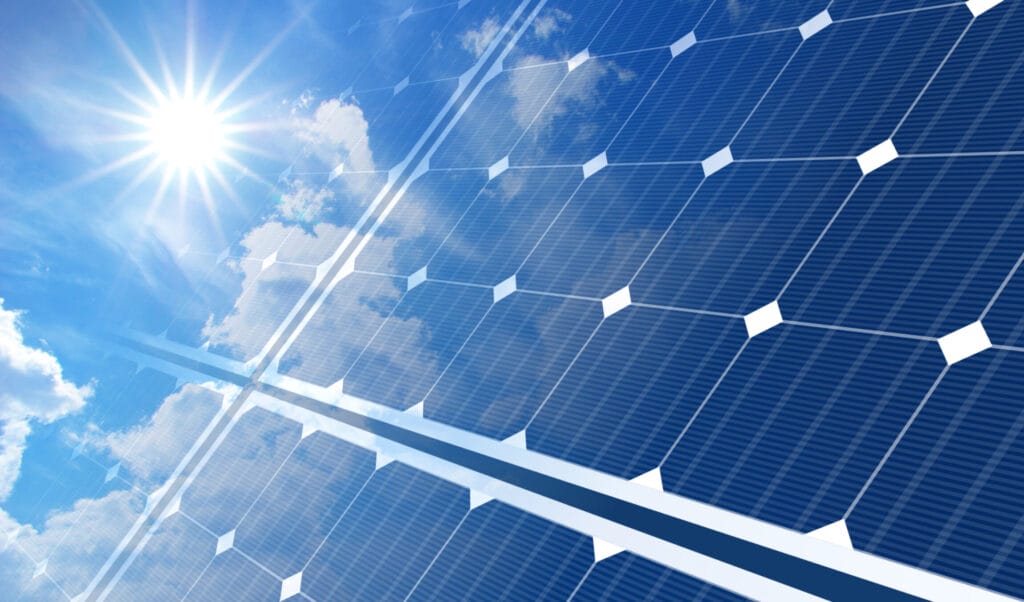
Solar panel efficiency is one of the first things you’ll hear about when you start exploring your solar options. While every panel does turn sunlight into electricity, some do It much more effectively than others. Higher-efficiency panels can produce more power using the same amount of roof space, and they tend to perform better in everyday conditions like heat, partial shade, or cloudy weather.
Because of this, a quote that includes premium, high-efficiency panels may cost a bit more upfront, but those panels can generate significantly more energy over their lifetime. That’s why different quotes with the same system size can end up producing very different amounts of electricity. Panel efficiency can truly make a difference in long-term value.
Degradation Rates
Solar panels naturally lose output over time, but degradation rates vary. High‑quality panels may lose only about 0.25% per year, while lower‑cost options can degrade closer to 0.7%. Over 25 years, that gap adds up—one system might still produce around 92% of its original power, while a cheaper system may drop to about 80%.
This difference can lead to thousands of dollars in lost energy production. While a lower-priced quote may look appealing at first, choosing higher-quality panels often pays off in the long run.
System Design and Performance
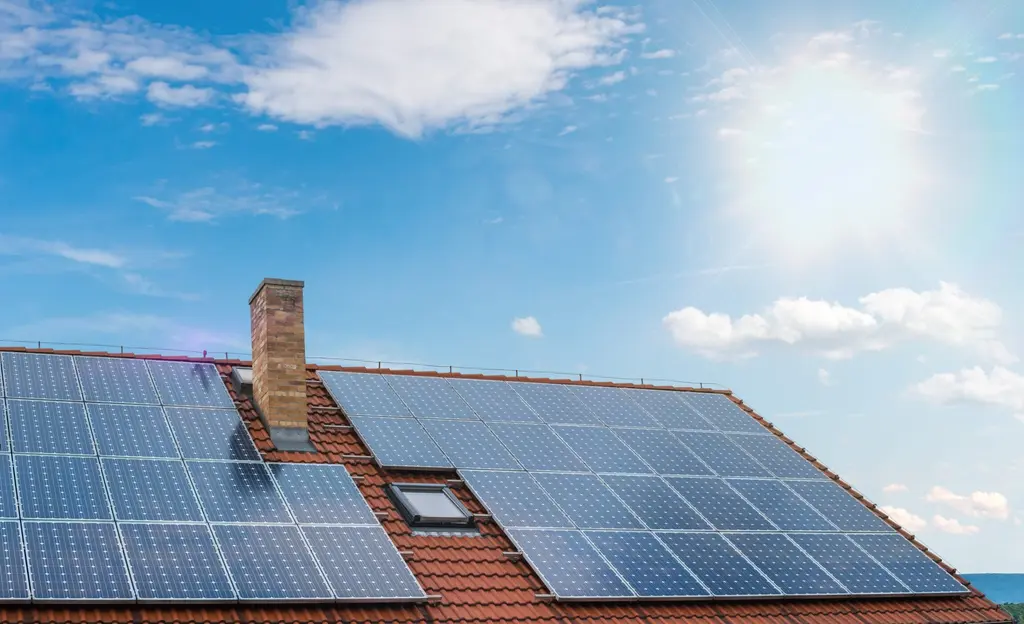
Another thing to consider when comparing solar quotes is that even if two companies use the exact same panels and inverters, the way they design your system can lead to two very different results. Every home has its unique layout with shading patterns and roof angles. Different installers will look at these and approach them differently. One company may take the time to design a system that will maximize your production based on your specific roof, while another company may use a more general layout. Panel placement, tilt, spacing, and shading can all impact how much energy your system will produce.
Installation Quality
The quality of the installation itself is another major factor that homeowners often overlook. Solar is a long-term investment, and how well your system is installed will affect its performance, reliability, and lifespan.
Experienced installers will follow best practices, use proper mounting hardware, and ensure all electrical connections are safe and secure. Less experienced companies that rely heavily on subcontractors and they may cut corners, which can lead to issues like roof leaks, wiring problems, or reduced system output. A well-installed solar system will perform better and protect your home and your investment for decades.
Different Company, Different Warranties
As you start comparing solar quotes, you’ll notice that most companies offer a 25-year warranty. This is reassuring, but the details behind those warranties can vary, and the differences matter.
There are three main types of warranties you’ll see when reviewing solar proposals
* Product warranty: Covers defects or issues with the pA lower monthly payment can cost more over time, while a higher upfront price may offer better long‑term value.anels themselves
* Performance warranty: Guarantees how much power the panels will still produce over time.
* Labor/workmanship warranty: Covers the cost of fixing problems related to installation.
A strong warranty from a reliable, established company is far more valuable than a generic 25‑year promise from a provider that may not be around later.
Choosing a company with proven stability and solar warranty coverages gives you real peace of mind for the long haul.
Financing Can Make Identical Systems Look Different
Another reason solar quotes can vary is the financing structure behind them. Two proposals might include the same equipment but have very different prices depending on how the system is financed.
Loan terms, interest rates, dealer fees, and payment structures can all affect the final cost. A quote with a lower monthly payment might actually cost more over time, while a higher upfront price could end up being the better long-term value. Understanding the financing details is just as important as understanding the equipment itself.
Company Reputation and Longevity Matter
Solar is a 25‑year investment, so you need a company you can trust to be around long term. A reputable, established installer offers the experience, stability, and support you’ll rely on for service or warranty needs years down the road.
Unfortunately, the solar industry has seen many companies come and go. Choosing a provider with a strong track record, solid reviews, and a long-standing presence in the community gives you confidence that your system will be supported for decades.
Why This Should Matter for Homeowners
Comparing solar quotes isn’t always an “apples to apples” situation. If you only look at system size and price, you’re not actually comparing the same product. A lower‑priced quote may use less efficient, faster‑degrading panels with weaker warranties or lower‑quality equipment, which can reduce your system’s long‑term energy production.
So, while the cheaper option may look appealing upfront, it can end up costing more in the long run. Quality equipment and strong warranties often deliver far better lifetime value than the lowest price tag.