Ohio homeowners are feeling the pinch as electricity prices surge across the state. Residents are wondering why Ohio electric bills are spiking.
Currently winter heating demands, which will become it’s summer air-conditioning loads in just a few months, more residents than ever are opening their utility bills with a sense of dread, and for good reason. A series of shifts in the regional power market have pushed residential electric rates upward, leaving many wondering how to get ahead of the rising costs. Residential Solar Installation is an option for long-term price stability. But before we look at how solar helps, let’s break down why electric bills are climbing so dramatically.
A Huge Spike in “Delivery Charges”
One of the biggest drivers of Ohio’s rising electricity bills is the unprecedented increase in capacity costs (think electric poles, wires and transformers). These show up in your bill as “Delivery Charges”.
In the PJM Interconnection auction (the regional operator that manages the grid for Ohio and 12 other states), capacity prices jumped a staggering 800% starting in June 2025. Ohio Utilities pass these costs through to customers.
Monthly Bill Increases that You’re Feeling
For many Ohio families, these spikes in “delivery charges” are being felt in monthly bill increases.
According to Consumer Energy Solutions’ analysis of 2025 Ohio energy rate changes, residential customers across several major Ohio utilities saw their monthly bills rise by as much as 44% during the summer of 2025 due to increased capacity costs and natural gas price volatility.
AEP Ohio confirmed that households using roughly 1,000 kWh per month would see an average increase of $27 starting June 2025, purely driven by wholesale generation costs. This refers to the “supplier charges” on your energy bill.
Growing Demand and Strained Grid Infrastructure
Ohio’s electricity grid is under increasing pressure as data centers eye Ohio for expansion, and increased electrification (EVs, heat pumps, etc.) expands our statewide energy demand.
This demand mandates that the Ohio energy grid keep pace. And to do so, significant upgrades to existing infrastructure need to be made. Which ultimately, costs end users.
What’s Being Done about Ohio Electric Bill Increases
In 2026, Governor Mike DeWine joined other governors whose states are serviced by PJM ( the regional electricity transmission organization in Ohio and 12 other states) to petition PJM to address supply and demand issues.
In the statement, the Governors included the following request:
- If new data centers do not provide their own energy, PJM is asked to allocate the cost of any new procured energy to the data centers. This will protect costs from being passed on to other customers.
You can read more from Ohio.gov here.
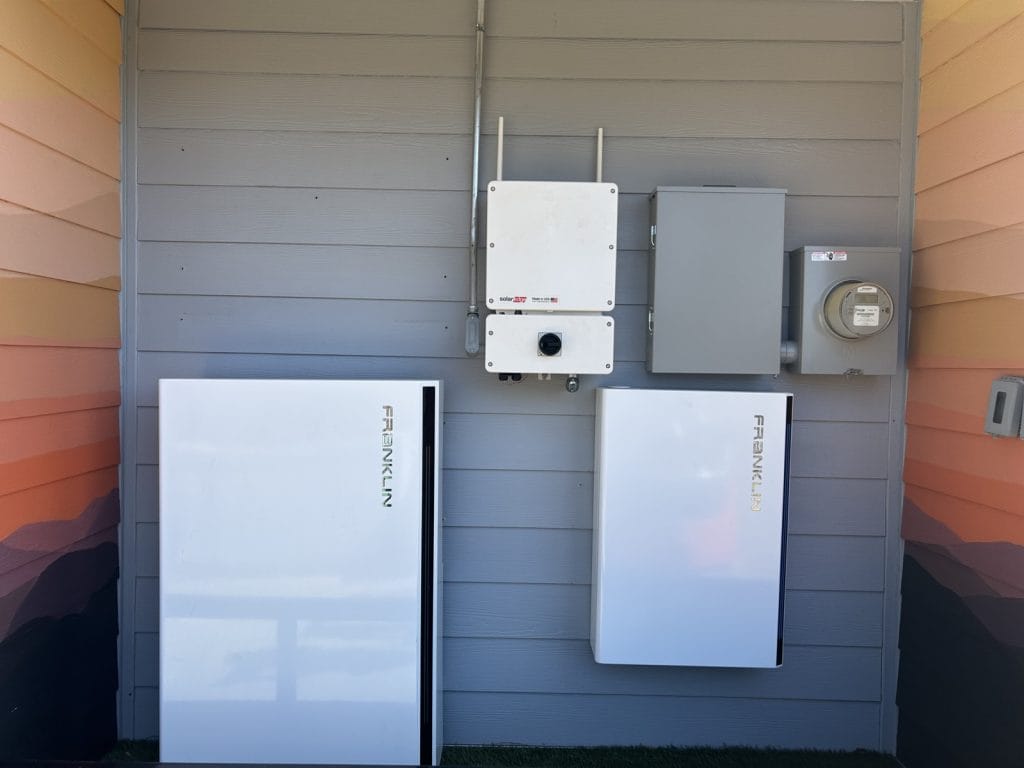
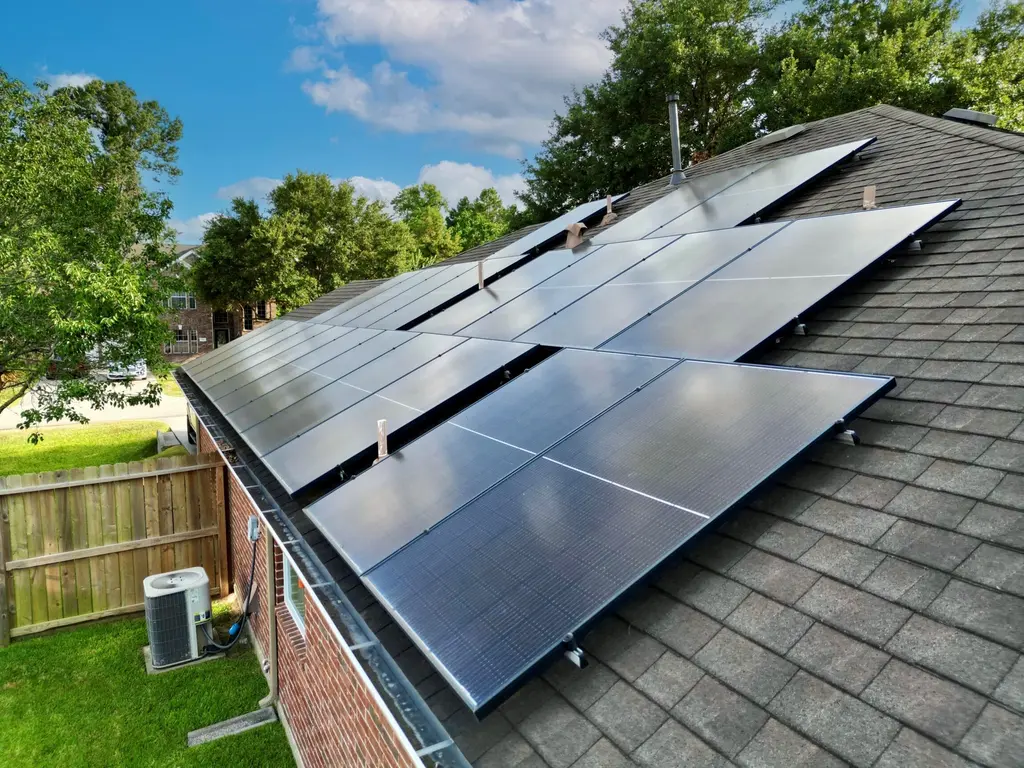
Why Onsite Solar Is a Good, Long-Term Solution
Solar offers predictable, stable energy production for 25+ years. Once panels are installed, homeowners can reduce their reliance on grid power that fluctuates with the market prices that are currently in flux.
Think of it like buying your power in bulk. There is an initial investment, but after that investment your rates are locked in for the lifetime of the solar energy system purchased.
Unfortunately, the recent rate hikes aren’t flukes. Ohio Electric Bill spikes are part of an upward trend driven by increased investment in the electric grid infrastructure. That means Ohio homeowners and ratepayers at large, will continue to face uncertainty in their electricity “supply” and “delivery” charges.
Solar Delivers Immediate Monthly Savings
Because average monthly bills have already increased, onsite solar provides a direct hedge against these rising costs.
Even solar installations with partial offsets (such as covering 50 -70% of your household load with solar) can significantly reduce bill shock during high-rate months.
Solar Creates Long-Term Financial Stability
Utility rates are projected to fluctuate (often upward), in the coming years. (Think AI, Data Centers, Etc. That will require lots of new energy supplied).
As utilities revise rates during these variable market conditions, onsite solar ensures you remain in control.
Ohio’s Rate Hikes Make Now the Smartest Time to Go Solar
Here’s what we know:
- Capacity prices have skyrocketed by 800%, directly impacting retail electricity costs (Delivery Charges).
- Ohio households can expect rate increases depending on their utility. (Supplier Charges for Generation)
- Rising supply prices and increasing demand from data centers and electrification are putting additional strain on the grid.
If you’re an Ohio homeowner, the takeaway is: electricity prices aren’t predictable… but your solar costs can be.