When you invest in a solar system, you expect dependable energy production month after month. So when you notice solar panels underperforming, it can feel frustrating and confusing, especially if your system has been reliable for years. The good news is that lower energy output usually has a clear cause, and many fixes are straightforward once you pinpoint what changed.
Your solar panel performance depends on sunlight, temperature, equipment health, and practical details like cleanliness and wiring. Below, we’ll explore the most common reasons a solar panel system produces less than expected, what you can check first, and when to call in a professional for troubleshooting & repairs.
Start with your monitoring system and your baseline energy output
Before assuming something is wrong, confirm what you are comparing. Most residential solar systems include a monitoring system that tracks power output and daily totals. Look for trends across weeks and seasons rather than focusing on a single low day. Rainy weather, smoke haze, or shorter winter days can reduce the amount of energy your array produces even when all equipment is working properly.
Compare the same month year over year. If last year’s May was sunny and this year’s May brought inclement weather, your solar energy totals can drop without indicating solar panel issues. If your monitoring data shows a sudden step down that persists on clear days, keep going through the checks below.
Are my solar panels underperforming or is it normal variation?
It helps to separate normal swings from true performance issues. Solar does not produce a flat line of electricity all year, even with the right solar panels and a solid design. Weather conditions, day length, and sun angle change constantly, and your system will follow.
You are more likely dealing with real solar panels underperforming when you see patterns like these:
- A sharp drop in energy output that does not recover on sunny days with direct sunlight
- One section of the system producing far less than the rest (often tied to an inverter or string issue)
- Frequent monitoring alerts, communication errors, or missing data that point to a management system or connectivity problem
- Visible severe damage on the roof or on the surface of solar panels
Common reasons solar panels underperform over time
Most underperformance comes down to a short list of various factors. Some relate to the environment around the array, and others relate to the equipment that converts DC solar electricity into usable AC power for your home.
Shading changes and potential shading from trees or new structures
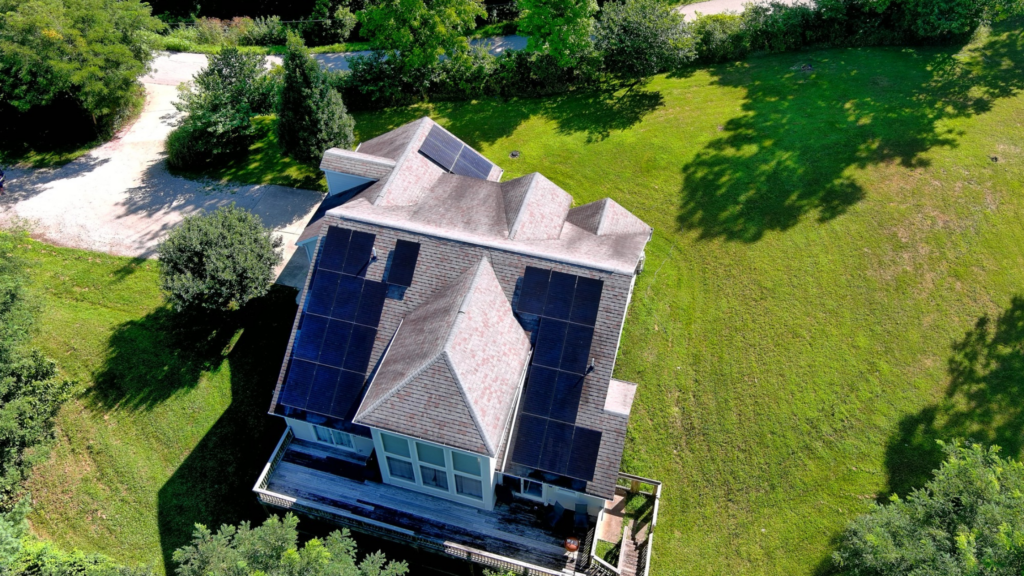
Even partial solar panel shading can cause noticeable power loss. A growing tree, a new fence line, a dormer addition, or even seasonal leaf-out can create potential shading that did not exist when the system was designed. Shade affects the solar cells inside a panel, and the system’s overall power output can drop when one part of an array is routinely shaded.
If shading is the issue, a service visit can help confirm the impact and identify practical options to restore consistent sunlight access.
Dirt, pollen, and bird droppings on the surface of solar panels
Solar panels are durable and made to live outdoors, but grime still blocks light. Heavy pollen seasons, dust from nearby roads or fields, and bird droppings can reduce the light reaching the solar cells, lowering energy production. Cleaning can help, and it should be done thoughtfully to avoid harming the glass or seals. Kokosing Solar offers panel cleaning as part of solar service and maintenance, which is a practical option when you want the job done safely and efficiently.
High temperatures and hot spots
Solar panels generally produce less power as they heat up. High temperatures can reduce panel efficiency and lower mid-summer energy output, even on bright days. In some situations, localized heating can create hot spots, often tied to shade, soiling, or damaged cells. Hot spots are worth addressing because they can affect long-term solar panel reliability.
If you suspect heat-related issues, monitoring data and a professional inspection can help confirm whether it is normal temperature behavior or something that needs repair.
Inverter, communication, and internal component problems
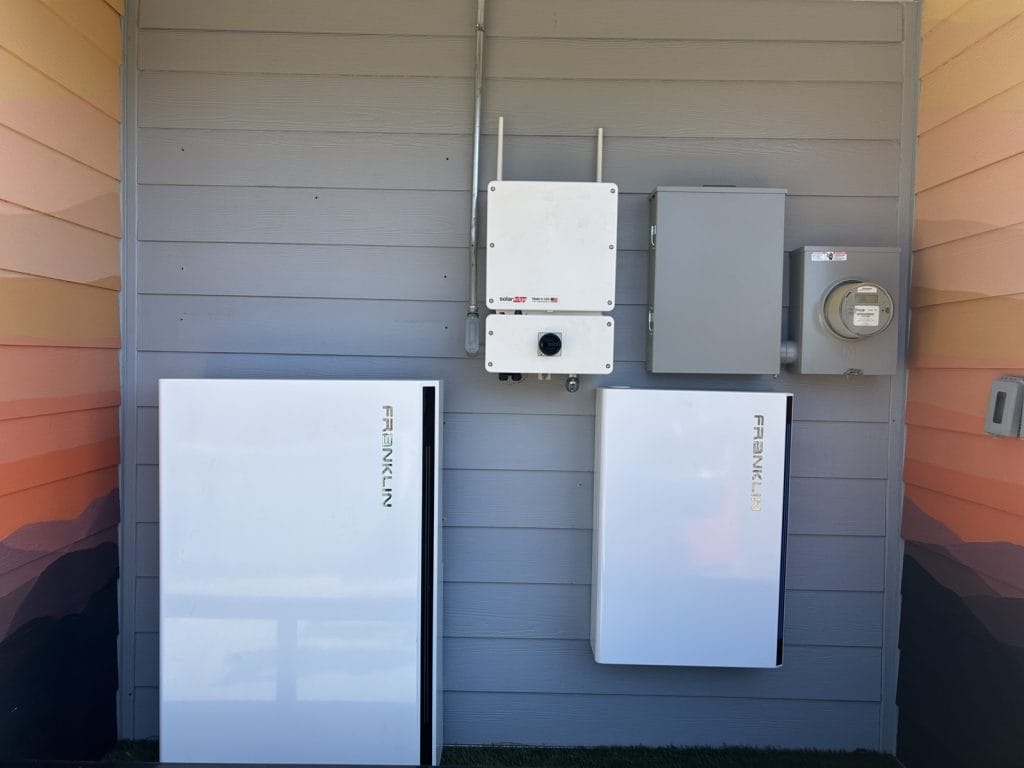
Your panels make DC electricity, but your inverter converts it into AC electricity your home uses. If the inverter is failing, misconfigured, or intermittently offline, your system can show major underproduction. Communication problems can also make your monitoring appear lower than reality if data is missing, delayed, or not reporting correctly through the management system.
This is where a service team can add real value. Kokosing Solar’s operations and maintenance support includes inverter & communication checks, and when needed, inverter replacement to restore dependable performance. If your system is solar panels underperforming with repeated alerts, do not ignore it, since small issues can create ongoing lost production.
Loose connections and electrical wear
Solar equipment lives through freeze-thaw cycles, wind events, and long summers of rooftop heat. Over time, loose connections or wiring issues can create intermittent faults or sustained losses. These are common issues that typically require a qualified technician to diagnose safely, especially since solar electrical components can remain energized in daylight.
A professional service visit focuses on identifying the source of the power loss, confirming safe operation, and returning your system to expected power production.
Could I be dealing with solar panel defects or manufacturing issues?
True panel failures are less common, but they can happen. Potential solar panel defects include cell cracks, failed bypass diodes, or other internal components that degrade performance. Some owners notice visible signs like snail trails, which look like thin, dark lines on the panel surface. Not every cosmetic change means a panel is failing, but it can be a clue when paired with a measurable drop.
If you suspect a defective panel, document what you see and what the monitoring shows. A reputable installer can help determine whether the issue is tied to manufacturing issues, installation conditions, or balance-of-system equipment.
When does underperformance become a warranty claim?
Warranties vary by manufacturer and product, so it is important to check your documentation for panel warranties and any coverage tied to inverters or racking. If testing shows a specific panel has failed or is materially below expected capacity, you may have a path for warranty claims. If the concern relates to workmanship or system configuration, the right next step is often a service inspection that documents findings clearly.
Kokosing Solar provides warranty support as part of service and maintenance. That matters when you need help gathering the right information, communicating the problem clearly, and getting your system producing enough power again.
A simple way to “show the math” on lost energy production
Solar is a long-term investment, so even modest underperformance adds up. Here is an easy example of why diagnosing solar panels underperforming quickly protects your ROI.
If your system is missing 5 kWh per day on average due to a fixable issue:
- 5 kWh/day x 30 days = 150 kWh per month
- 150 kWh/month x 12 months = 1,800 kWh per year
The value of that electricity depends on your utility rate, but the takeaway is consistent: every month of reduced production is money left on the table, plus added solar generation risk if a small problem turns into larger grave problems later.
What should I check before calling for solar service and maintenance?
Start with a quick, safe review that focuses on information you can access from the ground and from your monitoring portal. This approach keeps you informed and helps a technician move faster if you do schedule service.
Here is a smart checklist:
- Check your monitoring system for alerts, gaps, or a sudden drop in production.
- Compare today’s output to other clear-sky days, not cloudy days or storm weeks.
- Look for new shade patterns at the time of day you expect strong production.
- Inspect from the ground for obvious debris like leaves or visible bird droppings.
- Confirm your internet connection if your monitoring data suddenly stopped updating.
Avoid getting on the roof or opening electrical equipment. If the system is producing far less energy than normal, professional troubleshooting is the safest path.
When to bring in Kokosing Solar for troubleshooting and repairs
If you have ruled out normal weather variation and basic soiling, a trained service team can help you get answers quickly. Kokosing Solar is a full-service installer with decades of experience and a long-term commitment to supporting the systems we build and maintain. Our service offerings include troubleshooting & repairs, inverter & communication checks, panel cleaning, critter guard installation, and system checkups for new homeowners.
Ready to restore your solar panel performance?
If you are seeing solar panels underperforming, you do not have to guess. Schedule a solar service and maintenance assessment with Kokosing Solar and let our technicians run the numbers, review your monitoring, and pinpoint the cause. Turn the reliable, free energy of the sun into savings, and keep your system delivering clean energy year after year.