Energy and sustainability discussions are prevalent in boardrooms, plant floors, and budget meetings across the United States. Leaders are addressing customer expectations, investor pressure, and internal corporate social responsibility commitments. Concurrently, electricity prices and demand charges significantly impact business operations. Solar energy transforms this equation.
Choosing solar energy for businesses can help companies reduce energy costs, document progress toward sustainability goals, and build long-term energy independence. For many organizations, it also supports a clearer ESG story with measurable outcomes tied to renewable energy and carbon emissions reduction. Kokosing Solar collaborates with Ohio organizations seeking a practical path forward, backed by experience and reliability.
Why ESG and sustainability goals increasingly depend on energy decisions
ESG encompasses Environmental, Social, and Governance performance, and energy impacts all three. Environmental performance is directly linked to energy consumption, carbon footprint, and emissions. Social commitments often involve community impact, resilience during power outages, and ethical treatment of employees and customers. Governance includes transparent tracking, credible reporting, and long-term risk management tied to energy prices and electricity costs.
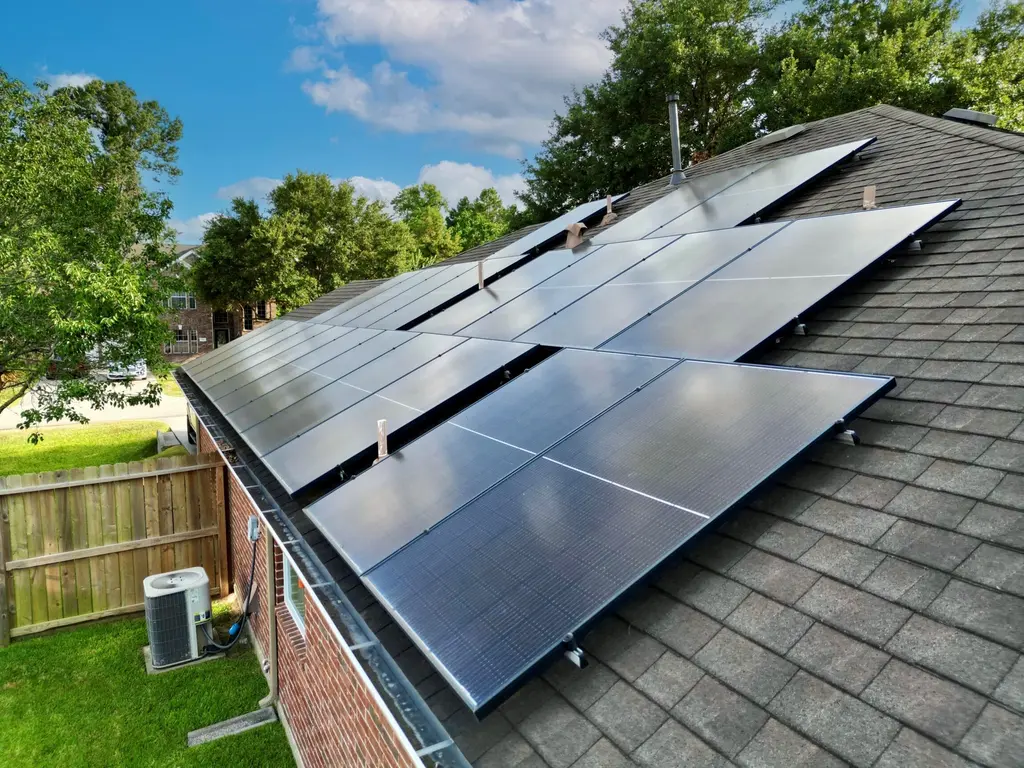
Solar power provides companies with a concrete project yielding trackable results. A commercial solar installation generates on-site energy that can be measured and reported monthly, with the added benefit of reducing energy bills over time. When your organization seeks progress that reflects on both spreadsheets and sustainability reporting, renewable energy becomes an operational decision, not just a marketing slogan.
How does solar energy for businesses support ESG reporting and compliance?
Solar supports ESG reporting by creating measurable, auditable outputs tied to your energy needs and consumption. A solar energy system produces kilowatt-hours of renewable energy that can be tracked against electricity bills, helping document changes in electricity use and overall cost. For many stakeholders, clear numbers matter because they link sustainability goals to business reality.
Solar solutions also enhance decision-making by reducing uncertainty. Utility companies set rates and adjust electricity prices over time, while a solar project helps manage exposure to energy price fluctuations. That stability supports governance goals like risk management, budgeting, and resilience planning for your commercial building or portfolio of commercial property.
The “E” in ESG: reducing carbon footprint with renewable energy
The Environmental category often starts with a straightforward question: how do we reduce carbon footprint at scale? Switching a portion of energy consumption from grid electricity to renewable energy sources can help lower carbon emissions associated with ongoing operations. Solar PV systems generate clean energy whenever the sun is up, turning available roof space or adjacent property space into usable solar energy.
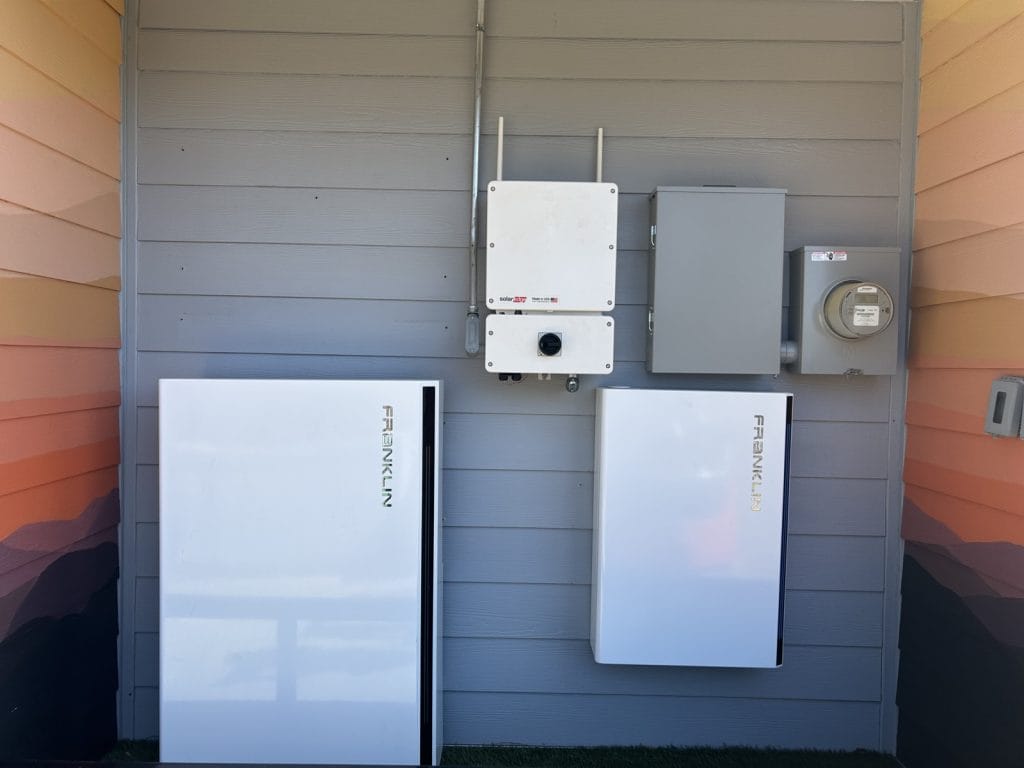
Businesses can also pair solar systems with battery storage where it fits the site and operational priorities. Battery storage can support critical loads and improve continuity during power outages, which can matter for safety, refrigeration, and other essential functions. The right design depends on your energy needs, operating hours, and the economics of the local utility rate structure.
The “S” and “G”: resilience, transparency, and community trust
ESG success depends on credibility. Solar installations provide tangible proof points that customers, employees, and community partners can understand, especially when the project is visible on a commercial building. That visibility can strengthen brand image and reinforce corporate social responsibility commitments.
Transparency improves when you can show hard data. Documenting energy production, tracking excess energy, and understanding when excess electricity flows back through net metering makes sustainability reporting easier to explain to non-technical stakeholders. Governance improves when leaders can connect energy savings, operational stability, and long-term planning in one clear story.
Solar changes the math: a simple way to think about ROI
Solar is widely recognized as an affordable form of energy, and the financial benefits can be compelling when modeled over the long term. The key is to treat solar power as an asset that produces value, similar to equipment that lowers operating expenses. While every site is different, the basic framework is easy to follow:
- Upfront cost and initial investment: the installed cost of commercial solar panels and related electrical work.
- Incentives: potential tax incentives and federal incentives, such as the federal tax credit, can reduce the effective initial cost when your organization qualifies.
- Ongoing savings: lower electricity bills and reduced electricity costs, particularly when solar offsets expensive peak usage that can drive demand charges.
- Long-term production: solar PV has no fuel cost and limited moving parts, which supports predictable energy production over decades.
Every year you wait, the utility bill gets higher. Every year you go solar, those dollars stay in your pocket. That is the hidden cost of doing nothing, especially for facilities with steady daytime loads.
Key ESG-aligned benefits of commercial solar energy for business operations
Commercial solar energy tends to support ESG outcomes in several practical ways, especially when the system is sized to your business energy needs. These are the benefits many business owner teams prioritize when evaluating solar companies:
- Cost savings and cash flow: reducing energy bills can free up capital for staffing, equipment, or growth.
- Protection from rising energy prices: on-site solar power reduces exposure to electricity prices set by utilities.
- Measurable sustainability progress: kWh production translates into reportable renewable energy contributions.
- Operational resilience: pairing solar systems with energy storage or battery storage can help plan for power outages.
- Stronger stakeholder communication: a completed solar project provides a clear, credible milestone aligned with sustainability goals and corporate social responsibility.
For businesses of all sizes, the most valuable outcome is often a combination of significant savings plus a stronger, more defensible ESG narrative.
Incentives and financing: tax credit options and purchase models to know
Many organizations evaluate incentives early because they affect overall cost. Depending on eligibility, a tax credit or federal tax credit may be available, and other tax incentives or solar incentives can apply. Incentive availability changes over time, and rules depend on the federal government and other program requirements, so it is smart to confirm details with qualified tax professionals.
Companies also evaluate how to procure a solar energy system. Some organizations prefer ownership to maximize long-term return. Others use a power purchase agreement, which can reduce initial cost and shift parts of performance responsibility to the provider. The right approach depends on capital strategy, cash flow priorities, and how your team wants to account for energy savings and risk.
What to consider before a commercial solar installation in Ohio
A strong project starts with good site evaluation and realistic production modeling. Whether your facility is a warehouse, office, school, agricultural operation, or municipal site, the design should match your energy needs and operating profile. Key inputs typically include roof space, structural considerations, shading, and how your electricity bills break down across on-peak usage and demand charges.
It also helps to consider what happens after commissioning. Solar systems are built for the long term, so ongoing operations and maintenance services matter for performance and reliability. Kokosing Solar focuses on customized commercial solar solutions for businesses, municipalities, schools, project developers, non-profits, houses of worship, agriculture, and more, with an emphasis on clarity and durable results.
Why working with an experienced commercial partner matters
Solar is an electrical infrastructure project with real stakes for safety, uptime, and financial performance. An experienced installer helps ensure the system design fits your business operations and that installation quality supports dependable performance over time. Kokosing Solar brings 25+ years of solar expertise and 74 years of construction experience, and the team is known as Ohio’s longest-standing full-service solar installer.
That experience shows up in the details that business leaders care about, including internal design, skilled installation, and a long-term service mindset. Kokosing Solar is also part of the Amicus Solar Cooperative, which supports competitive sourcing while keeping small-business values front and center. The result is a partner focused on smart, steady progress, not pressure.
A practical next step: run the numbers for your business
A good ESG plan includes a clear path from goals to projects to measurable outcomes. Solar power supports that path by reducing electricity costs, building energy independence, and helping you document progress toward sustainability goals with real energy production data.
If you are exploring solar energy for businesses in Ohio, Kokosing Solar can help you evaluate your commercial property, estimate energy savings, and map solar solutions to your reporting needs. Contact our team to start the conversation and see what solar can do for your bottom line.