Energy prices keep moving, and many Ohio organizations are feeling it through higher energy costs and tighter forecasts. When your budget depends on a reliable facility, a predictable production schedule, or steady margins, controlling electricity costs becomes a practical business strategy.
That is where Commercial Solar Financing comes in. The structure you choose affects upfront costs, cash flow, tax benefits, and how your team treats solar on the balance sheet. Solar changes the math completely, but only when the financing matches your operational reality.
Kokosing Solar has supported organizations across the state as Ohio’s longest-standing full-service solar installer, bringing more than 25 years of solar experience plus deep construction expertise. Below is a clear, business-first look at the three most common pathways: a solar PPA, a solar lease, and buying a solar energy system.
Commercial Solar Financing: the three main paths businesses choose
Most businesses of all sizes evaluate commercial solar the same way they evaluate other capital improvements: risk, return, and reliability. The financing option you select determines who owns the solar equipment, who captures incentives like the investment tax credit, and how predictable your monthly expenses become.
In general, commercial deals fall into three buckets:
- Power purchase agreement (PPA): A third party owns the system and sells you the solar power it produces at an agreed price.
- Solar lease: A leasing company owns the system and you pay a fixed monthly fee to use it.
- Buy (cash or loan): You own the system, either through an upfront investment or via solar loans.
Each approach can be a viable option. The best fit depends on your financial goals, tax appetite, and how you plan to use the building long term.
How does a solar PPA work for a commercial property?
A power purchase agreement is common in commercial solar because it aligns payments to performance. A developer or financing partner owns the PV system and handles the solar panel installation and ongoing requirements. Your organization agrees to buy the energy the system generates, usually at a set price per kilowatt-hour or a contracted structure that can act like a hedge against rising utility rates.
A PPA often appeals to organizations focused on stable operating budgets and minimal initial spend. Since the system owner takes the ownership position, they may also claim available federal incentives such as the federal investment tax credit and accelerated depreciation under the modified accelerated cost recovery system (MACRS), when applicable.
A PPA can be a good fit when:
- You want low or no upfront costs.
- You prefer payments tied to energy production.
- You want a plan that supports ESG goals and measurable reductions in greenhouse gas emissions.
Key consideration: PPAs involve a contract and a long relationship. Review how pricing is set, what happens if your facility changes, and how responsibilities are handled over the long term.
Solar leasing: predictable payments, simpler budgeting
A solar lease is similar to equipment leasing in other industries. The system is installed on your commercial property, and you pay a monthly lease payment to use the solar panel system. Your payment is usually a fixed monthly fee, which can make budgeting simpler than forecasting utility bills alone.
Leasing can be a popular choice for organizations that want the benefits of onsite solar power with less emphasis on ownership. Like PPAs, many leases are structured so the system owner receives key incentives such as solar tax credits and depreciation benefits, then bakes that value into the lease pricing.
Leasing can be attractive when:
- You want consistent monthly expense planning and smoother cash flow.
- You have internal capital reserved for core operations rather than energy infrastructure.
- You want a clear path to add renewable energy without a large initial outlay.
Key consideration: leases are contracts. Pay close attention to term length, end-of-term options, and any requirements related to site access, insurance, or facility changes.
Buying commercial solar: maximum ownership, maximum long-term upside
Buying a system, either with cash or through a loan, puts you in control. You own the solar system (including the solar panels) and you receive the direct financial benefits tied to ownership. For profitable businesses with tax capacity, the ability to use the tax credit and depreciation can materially improve project economics.
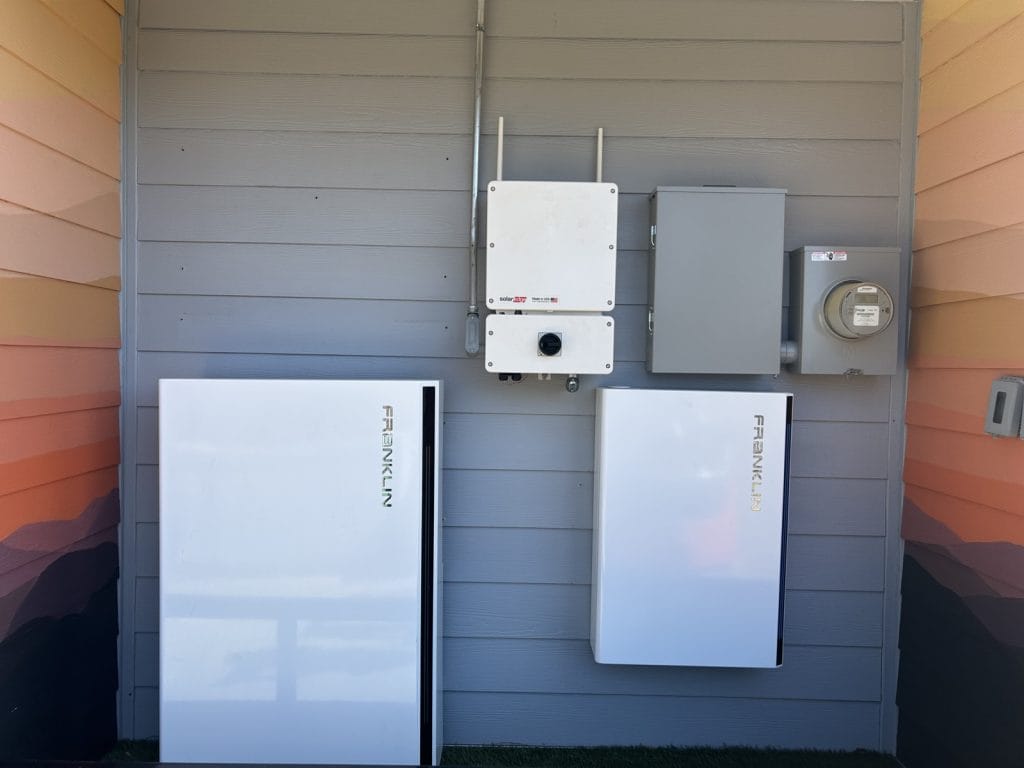
Ownership is often about what happens after payback. Once the system has recovered installation costs through avoided utility purchases, the ongoing savings can reduce operational costs for years. Ownership can also support broader energy solutions planning, such as pairing solar with energy storage where it fits your load profile and resiliency strategy.
Buying can be a good fit when:
- You can support an upfront investment or prefer to finance and own.
- You want to maximize lifetime savings and potential impact on property value.
- You want direct control over how the asset is maintained and managed.
Key consideration: ownership concentrates responsibility as well as upside. You will want clarity on warranties, maintenance expectations, and who will support the system across its operating life.
Solar loans and interest rates: what to ask before you sign
Many organizations buy solar through financing rather than writing a check. With solar loans, the conversation typically centers on interest rates, term length, and how the monthly payment compares to utility savings. Some businesses explore local banks, credit unions, or specialized lenders offering solar financing solutions for commercial assets.
When evaluating a loan, keep the questions practical:
- What is the total cost of borrowing over the full term?
- Is the rate fixed, and is there a discounted rate option?
- Are there fees that materially change project costs?
- How does the repayment schedule align with expected utility savings and your seasonal load?
The good news is that many business owners already know how to evaluate financed assets. Treat solar the same way: compare spending you control against spending you cannot control, like utility rate increases.
Comparing PPA vs lease vs buy: a simple framework
Every site and utility rate is different, so a real proposal should include your actual usage and tariff. Still, you can compare options using a simple framework focused on lifetime value and risk.
Here is a straightforward checklist for comparing commercial solar financing offers:
- Year 1 impact on cash flow: net change in monthly spend (utility bill minus solar payment).
- Total cost over the term: add up all payments, plus any buyout if applicable.
- Incentive value: who captures the federal investment tax credit and any applicable solar tax credits.
- Operations plan: how ongoing operations and maintenance are managed and paid for.
- Flexibility: what happens if you sell the building, expand, or change usage.
If you are a small business owner or managing a tight operating budget for a school, municipality, or non-profit, that first line item matters. If you expect to stay in the facility for decades, ownership economics can become compelling.
Choosing the best option for your business owner priorities
The right answer differs for small businesses, large facilities, and small rural businesses with unique load patterns. A decision that looks perfect on paper can feel wrong operationally if it adds administrative complexity or does not match how your organization approves capital.
Consider your decision factors in three categories:
- Financial goals: Do you prioritize lowest year-one cost, fastest payback, or the biggest long-term savings?
- Tax position: Can you use tax benefits like the investment tax credit, or do you prefer a structure where another party uses them?
- Risk and control: Do you want ownership control over the asset, or a contract structure that shifts performance risk to a provider?
A thoughtful comparison leads to an informed decision. The financing is a tool, and the business outcome is the point.
What should you expect from a solar installer when evaluating financing?
You should expect clear numbers, transparent assumptions, and a focus on your facility. A trustworthy solar installer will walk you through estimated energy production, system sizing, and how the financing affects total cost, not only the headline monthly figure.
Kokosing Solar works with commercial customers across Ohio, providing customized commercial solar solutions and long-term support. With internal design and a team built around safe, high-quality work, the goal stays consistent: help you evaluate solar as a durable investment that supports your organization’s bottom line.
Ready to run the numbers on commercial solar financing?
If you are comparing a solar PPA, a lease, and buying, the fastest way to gain clarity is to model your site using your real utility data. Schedule a conversation with Kokosing Solar to review options, understand incentives like the 30%+ federal tax credit, and map a path that fits your facility, budget, and long-term plan.
When you are ready, contact Kokosing Solar to start a no-pressure assessment and see how commercial solar can support predictable energy planning.