
Discover how solar batteries reduce utility dependence, improve energy security, lower electricity costs, and help homeowners maximize solar power savings.
Electricity rates continue to fluctuate, and power outages have become common in many regions. Homeowners are increasingly looking for ways to gain more control over their energy usage and costs.
What Readers Will Learn
- Which solar batteries Kokosing Solar recommends
- Why they reduce reliance on utility companies
- Financial and practical benefits of energy storage
- Whether a solar battery is worth the investment
Types of Solar Batteries:
- Tesla Powerwall
- Franklin
- Enphase
Tesla Powerwall
The Tesla Powerwall is one of the most widely recognized home battery systems. Designed with a sleek, compact profile, it combines energy storage and intelligent energy management in a single solution.
- A main Powerwall 3 “leader” unit integrates a 13.5 kWh lithium-ion battery with an 11.5 kW AC inverter, reducing costs for solar + storage when installing a solar at the time of battery installation
- High energy capacity suitable for powering household loads
- Strong integration with Tesla’s energy ecosystem
- Automatic backup power during grid outages
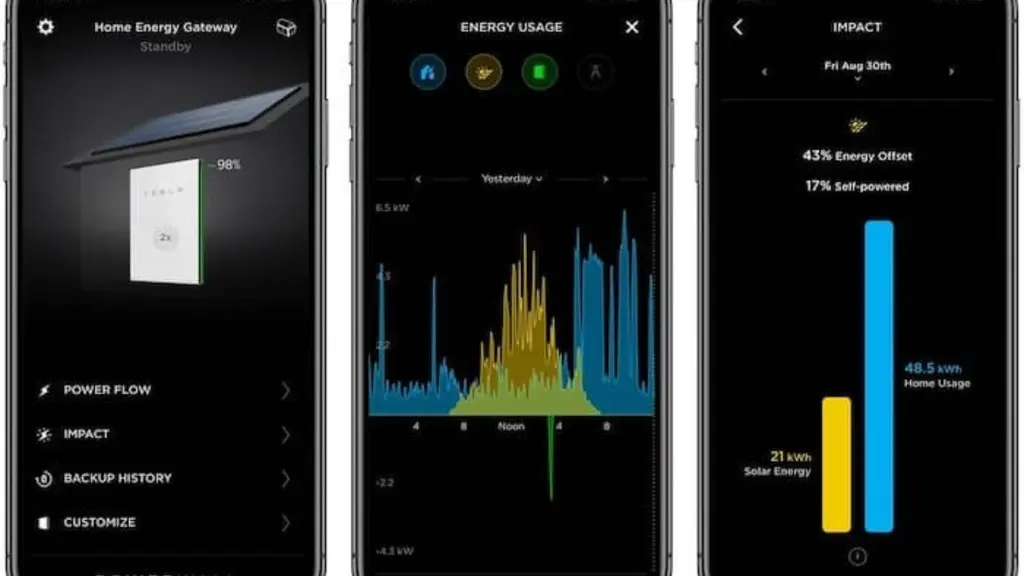
- User-friendly mobile app for monitoring energy production and consumption
- Ideal for homeowners seeking a well-established and widely adopted battery solution
FranklinWH Battery System
FranklinWH differentiates itself through whole-home backup capabilities and advanced energy management. The system is designed to optimize how and when energy is used, stored, and drawn from the grid.
Key Benefits:
- Excellent whole-home backup potential
- Flexible integration with various solar inverter systems
- Advanced load management during outages
- Ability to support larger energy demands and high-consumption households
- Smart energy controls that maximize self-consumption of solar power
Enphase IQ Battery
The Enphase IQ Battery is known for its modular design and strong reliability. Built around Enphase’s microinverter technology, it offers flexibility for homeowners who want to expand storage over time.
Key Benefits:
- Highly scalable system that can grow as energy needs increase
- Excellent integration with Enphase solar systems
- Reliable performance through distributed architecture
- Easy monitoring through the Enphase App
- Ideal for homeowners seeking a customizable and expandable energy storage solution
Why homeowners are reducing utility dependence
- Rising Electricity Costs
- Grid reliability Concerns
More and more, our team works with homeowners who are looking for ways to reduce their dependence on utility companies. What we hear from them is that between electricity costs continuing to rise and concerns about grid reliability grow, they are looking for a solution.
Through Solar Battery Storage, increased energy independence provides both financial savings and peace of mind in an increasingly unpredictable energy landscape.
How Solar Batteries Reduce Utility Dependence
- Store excess solar energy for later use
- Increase self-consumption of solar energy
- Provide power during outages
- Reduce peak Hour grid use
Store Excess Solar Energy for Later Use – One of the biggest advantages of a solar battery is its ability to store excess electricity generated by your solar panels during the day. This allows homeowners to rely more on the energy they generate themselves rather than purchasing electricity from their utility provider.
Increase Self-Consumption of Solar Energy – Solar batteries help homeowners maximize the value of their solar investment by increasing self-consumption, which is the amount of solar energy used directly within the home. Instead of exporting excess production to the grid and drawing electricity back when needed, homeowners can store and utilize their own solar energy. This reduces dependence on utility-supplied electricity and can be especially beneficial in areas where net metering isn’t offered or compensation for exported energy is low.
Provide Power During Outages – A solar battery can provide backup power when the electrical grid goes down, helping homeowners maintain access to electricity during outages. Often our solar storage clients tell us stories of their neighbors coming over to charge appliances when the grid is down.
Reduce Peak-Hour Grid Use – In Ohio, some utilities allow ratepayers to opt-into Time of Use programs. In these programs, utility companies charge higher rates during periods of peak electricity demand, typically in the late afternoon and evening. Solar batteries allow homeowners to store energy when production is high and use it during more expensive peak-rate periods instead of purchasing electricity from the grid.
Key Benefits of Solar Batteries for Homeowners
- Lower monthly bills
- Increased energy independence
- Enhance energy security
- Improved solar ROI
How effective are solar batteries at reducing utility dependence?
Some homeowners may only offset a portion of their grid usage, while others can meet most of their daily energy needs with a properly designed solar-plus-storage system. The effectiveness of a solar battery depends on several key factors, including battery capacity, household energy consumption, solar production, location, and weather patterns.
Factors to pay attention to:
- Battery capacity
- Home energy consumption
- Solar panel system size
- Geographic location
Battery Capacity
Capacity, typically measured in kilowatt-hours (kWh), represents the amount of energy a battery can store and deliver when needed. Larger-capacity batteries can store more excess solar energy during the day and power the home for longer periods after sunset or during outages.
For example, a homeowner with a larger battery system may be able to run essential appliances, lighting, and electronics throughout the evening without drawing power from the grid. In contrast, a smaller battery may only provide enough storage to cover a few hours of energy use before utility power is needed.
Home Energy Consumption
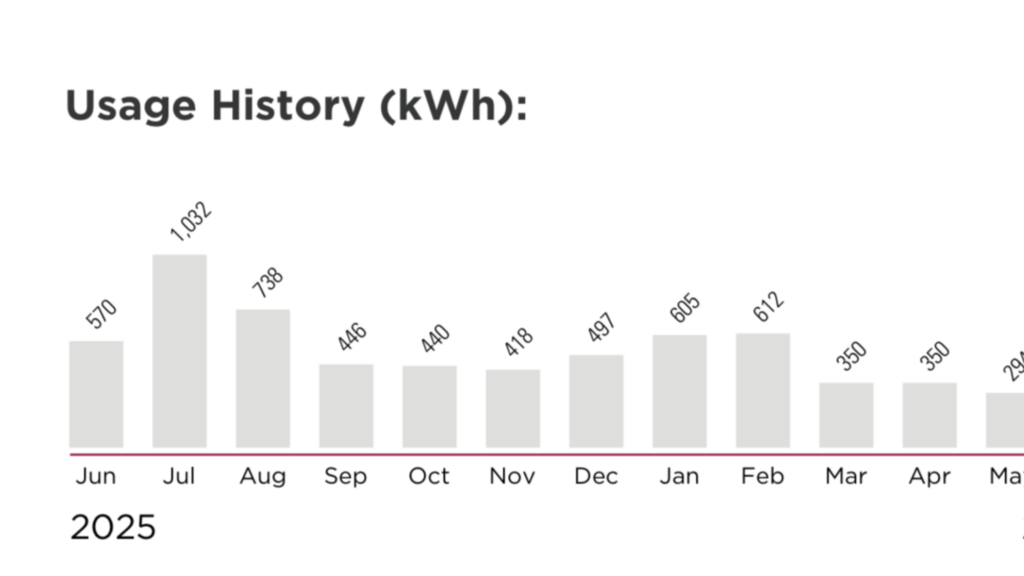
The amount of electricity a household uses each day has a direct impact on how effective a solar battery will be. Homes with high energy demands often require larger battery systems to achieve meaningful reductions in utility usage. Factors such as the number of occupants, appliance usage, electric vehicles, and heating or cooling needs can all increase energy consumption.
Homeowners who actively manage their energy use by upgrading to energy-efficient appliances, adjusting thermostat settings, and reducing unnecessary consumption can often achieve greater energy independence without needing oversized battery systems.
Solar Panel System Size
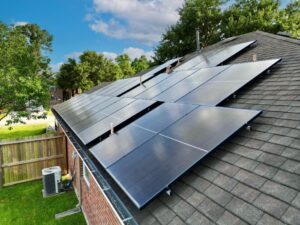
When the grid is down, a battery can only store the excess energy produced by a solar panel system. As a result, the size of the solar array plays a major role in determining how much energy is available for storage, and for how long. A larger solar system will generally generate more electricity during daylight hours, increasing the likelihood that enough excess power will be available to charge the battery fully.
Geographic Location
Where a home is located can greatly influence solar production and battery performance. Regions that receive less sunlight (think winter in Ohio) will impact how the batteries charge during the wintertime.
Local utility rates, net metering policies, and outage frequency can also affect how valuable battery storage is.
Going completely off grid
- Additional equipment requirements
- Practical considerations for most homeowners
In Ohio, most homeowners use batteries to reduce grid reliance rather than completely eliminate it.
Going off-grid involves much more than simply installing solar panels and a battery. An off-grid solar system operates independently of the utility grid, meaning your home must generate, store, and manage all of the electricity it will need throughout the year, including during periods of low solar production.
To make off-grid living possible, homeowners typically need additional equipment beyond solar panels and batteries. Most off-grid systems require a larger battery bank to store energy for overnight use and extended periods of cloudy weather, as well as a backup generator to provide power when solar production is insufficient.
While off-grid systems can be a practical solution for remote properties without access to utility service, they are often less practical for homeowners in Ohio who already have access to the electrical grid.
Key Takeaways
Is a Solar Battery Worth It?
When a Solar Battery Makes Sense
- Frequent outages
- High electricity rates
- Time-of-use billing
- Desire for energy independence
When It May Not Be Necessary
- Strong net metering programs
- Low utility rates
- Minimal outage concerns
Interested in reducing your reliance on the grid? Speak with a solar storage specialist to determine the right battery solution for your home’s energy needs.