Ohio homeowners face rising energy bills, prompting many to explore solar energy. The key question is: how much can a solar panel system reduce your electric bill, and how long will those savings last?
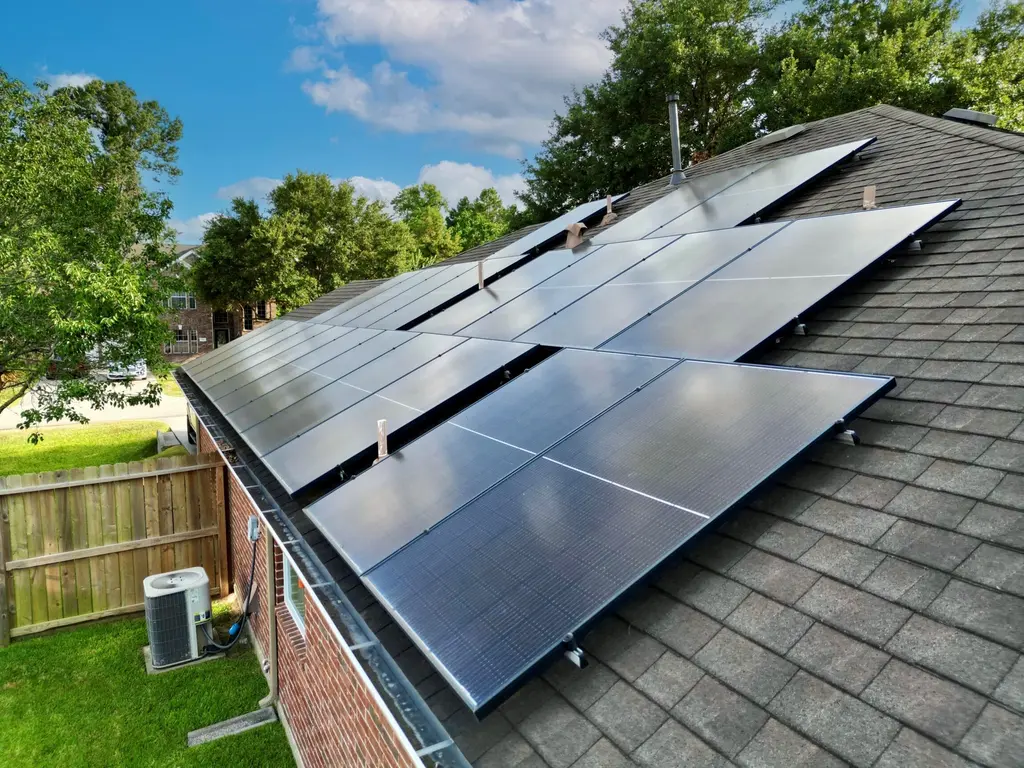
Solar panels convert sunlight into usable power, reducing the need to buy electricity from utility companies. Long-term savings depend on factors like energy usage, system size, roof conditions, net metering rules, and solar incentives such as the federal tax credit. At Kokosing Solar, a residential solar assessment helps you understand these numbers based on your home and goals.
What “Savings” Really Means for Ohio Homeowners
Solar savings typically manifest as:
- Lower electric bills due to reduced electricity purchases.
- Energy credits from net metering when your system produces excess electricity.
- Tax credits and exemptions that lower the cost of going solar.
- Long-term stability by reducing exposure to rising energy costs.
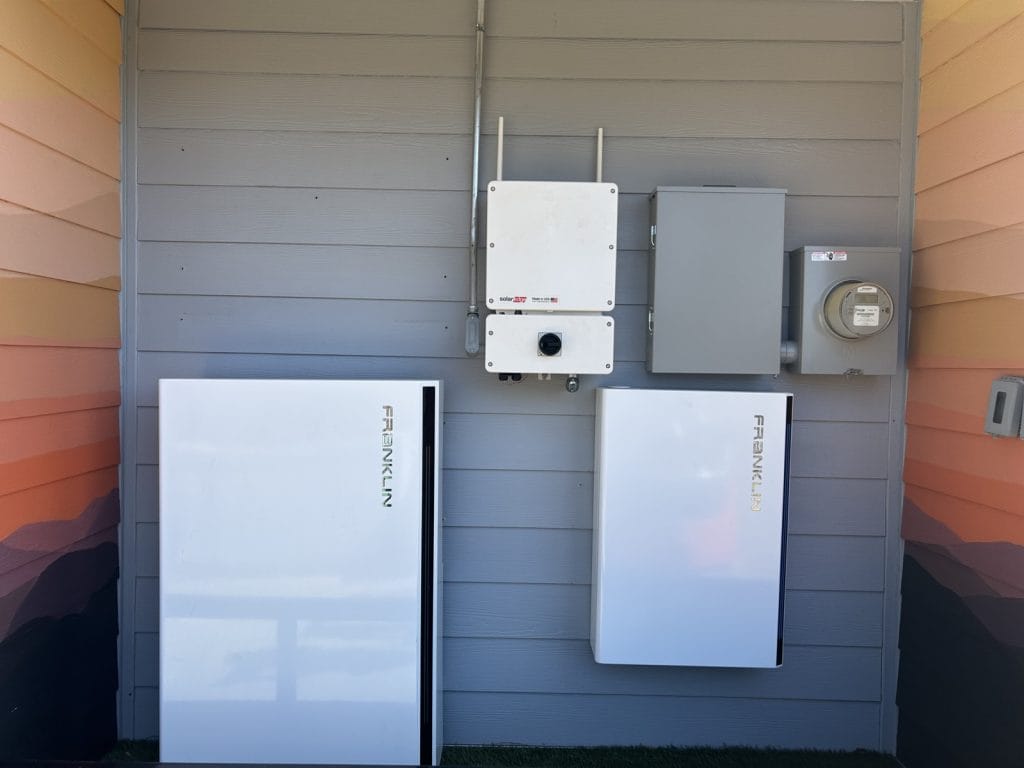
A well-designed solar installation supports energy conservation goals. Many Ohio homeowners pair solar with energy efficiency upgrades, such as better insulation or energy-efficient appliances, and some add a solar battery for storing excess power.
The Simple Math Behind Solar Panel Savings
Understanding solar savings involves a few basic steps. Your utility bill is based on electricity usage and utility charges. Solar offsets part of that usage with renewable energy.
- Start with your annual usage (kWh from electricity bills).
- Estimate solar production based on system size, roof characteristics, and local conditions.
- Apply net metering for excess energy sent back to the grid.
- Compare electric bills before and after solar to estimate savings.
- Factor in incentives like the federal tax credit and applicable sales tax exemptions.
Energy usage analysis is crucial as results vary based on usage patterns, roof orientation, and even seasonal changes in energy consumption.
How Does Net Metering Affect Solar Energy Savings in Ohio?
Net metering is a significant factor for Ohio homeowners. When your system produces more electricity than needed, the excess flows to the grid, earning bill credits. Net metering works best when your system matches your annual consumption goals. If you produce excess electricity during sunny hours, those credits can offset electricity pulled from the grid at night or during winter months. Verify local utility rules during project planning, as they can change.
A good installer will explain net metering and its impact on cash flow. Kokosing Solar includes these details in ROI planning for informed decisions, ensuring you understand how net metering contributes to your overall savings.
The Biggest Factors That Determine Solar Panel Savings in Ohio
Solar savings depend on several variables:
Your Current and Future Energy Use
Higher usage often results in larger savings as solar offsets more purchased electricity. Homes with higher energy demands, such as those with electric vehicles or large appliances, tend to benefit more. Usage can also change over time if you add EV charging stations, upgrade appliances, or install a heat pump.
System Size and Production
System size, measured in kilowatts (kW), affects electricity generation. Larger systems typically generate more electricity, but the “right” size depends on roof space, shading, budget, and savings goals. Thoughtful system sizing ensures your total cost aligns with expected energy savings.
Utility Rates and Rate Design
Electricity rates and billing structures vary across Ohio. Local utility rates influence the value of each solar-produced kWh. Rising rates can strengthen the financial case for solar, as the avoided cost of buying energy from fossil fuels increases over time.
Incentives, Tax Credits, and Exemptions
Ohio homeowners often inquire about solar rebates and incentives. Confirm applicable incentives at the time of your quote. Common categories include:
- Federal solar tax credit (solar investment tax credit), which can reduce upfront costs.
- Tax exemptions for sales and potentially property taxes, depending on local rules.
Your installer should review applicable incentives and their impact on costs and payback expectations, ensuring you understand how these programs improve your financial outlook.
Financing Terms and Interest Rates
Financing options like solar loans can reduce upfront costs, allowing homeowners to start saving sooner. However, interest rates and loan terms matter. A clear proposal should outline system costs, installation costs, projected bill reduction, and total cost over time with financing.
Costs to Consider: What You Pay, What You Avoid
A realistic savings conversation considers both solar panel costs and avoided costs from self-produced power.
Upfront and project costs include:
- Solar panel and inverter equipment.
- Labor and installation.
- Permitting, interconnection, and engineering.
- Optional solar battery storage for energy independence.
- Monitoring and maintenance needs to ensure long-term performance.
Reduced costs over time include:
- A portion of your monthly electric bill.
- Exposure to future rate increases.
- Charges tied to energy consumption.
A reputable installer helps plan for long-term operations and maintenance, ensuring your system continues to perform efficiently for decades.
What Incentives Can Ohio Homeowners Use for Solar?
Incentives enhance savings and drive solar adoption in Ohio. Homeowners explore federal programs and local incentives.
Incentive categories include:
- Federal solar tax credit (lowers net system costs if qualified).
- Potential sales tax exemptions on qualified equipment.
- Potential property tax exemptions based on local rules.
- Programs for renewable energy credits or solar renewable energy certificates (availability and value depend on current market rules).
Because programs can change, Kokosing Solar takes a fact-based approach: confirm eligibility, document assumptions, and show you the math. This ensures homeowners understand how incentives impact their upfront costs and long-term savings.
Long-Term Value: Savings Year After Year
Solar is a long-term asset. Reliable ROI planning uses historical bills and local conditions, modeling future utility rate scenarios conservatively. This approach ensures homeowners have a realistic view of their savings potential.
Solar also offers clean energy independence, reducing reliance on utility companies. This stability is a significant benefit as energy costs fluctuate. For many homeowners, the ability to produce their own power is as valuable as the financial savings.
Why a Personalized Solar Assessment Matters
Online calculators provide estimates but can’t capture specific details like roof geometry, shading, or local utility specifics. Kokosing Solar offers a residential solar assessment with real inputs and clear outputs.
A thorough assessment includes:
- Review of electricity bills and usage trends.
- System sizing recommendations based on roof space and goals.
- Production estimates based on home conditions.
- Net metering assumptions based on your local utility.
- Incentive breakdowns, including the federal tax credit.
- ROI planning showing payback range and long-term savings.
Kokosing Solar, Ohio’s longest-standing full-service solar installer, ensures systems perform well today and are supported for years. Their NABCEP-certified installers and long-term service commitment provide peace of mind for homeowners.
Ready to Find Your Number for Solar Panel Savings Ohio?
Each year you wait, utility bills rise. Going solar keeps those dollars in your pocket. For a clear view of potential savings, start with a residential solar assessment from Kokosing Solar. We’ll review your energy usage, right-size your system, and map out a realistic ROI plan tailored to your home, budget, and goals.
Schedule a free assessment with Kokosing Solar and take the next step toward cleaner, more predictable energy.