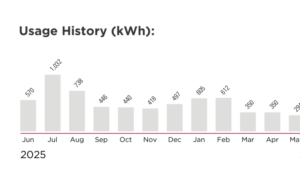

Many homeowners install solar based on their energy needs at the time of installation. But things change.
Perhaps you’ve:
- Purchased an electric vehicle
- Added a pool or hot tub
- Switched from gas to electric appliances
- Started working from home
- Experienced utility rate increases
- Become concerned about power outages
If your existing solar system isn’t meeting your current goals, you may be wondering whether it makes more sense to add additional solar panels or invest in battery storage.
The answer depends on what problem you’re trying to solve.
First Question: Why Are You Considering an Upgrade?
Before discussing equipment, identify your goal.
You Want to Offset More Energy Usage
Signs:
- Electric bills have increased
- Household electricity consumption has grown
- You’ve added major electrical loads
Potential solution: Additional solar panels
You Want Backup Power During Outages
Signs:
- Frequent power interruptions
- Desire to keep essential loads running
- Increased concern about grid reliability
Potential solution: Battery storage
You Want Both Savings and Backup
Signs:
- Higher bills and outage concerns
- Long-term energy independence goals
Potential solution: Additional solar + battery storage
When Adding More Solar Panels Makes Sense
For many homeowners, adding more generation is the simplest solution.
Common Reasons
You Use More Electricity Than When You Installed Solar
Examples:
- Electric vehicle charging
- Heat pumps
- Growing family
- Home additions
Your Utility Bill Has Increased
If consumption has increased beyond what your original system was designed to offset, additional panels may help restore higher energy offset percentages.
Questions Your Solar Consultant Will Evaluate
- Is there available roof space?
- Can your inverter accommodate additional capacity?
- Has your utility’s net metering policy changed?
Benefits
- Greater energy production
- Increased utility savings
- Better return on existing solar investment
When a Battery Makes More Sense
A battery will store unused solar energy for later use.
Common Reasons Homeowners Add Batteries
Backup Power During Outages
A battery can power critical appliances when the grid goes down, such as:
- Refrigerators
- Lights
- Internet
- Medical devices
- Well pumps
Protection From Time-of-Use Rates
Some utilities charge higher rates during peak demand periods. We’re seeing this in Ohio.
A battery can store energy when rates are low, and discharge when rates are high.
Increased Energy Independence
Many homeowners simply value having access to their own stored energy rather than relying entirely on the grid.
Benefits
- Backup power
- Greater energy resilience
- Potential peak-rate savings
- Better use of solar production
Situations Where Adding a Battery Alone May Not Solve the Problem
A battery can only store available energy.
If your solar array is already undersized for your current usage, a battery may simply store too little energy to make a significant difference.
In these cases, homeowners may need:
- Additional solar capacity
- Battery storage
- Or a combination of both
Questions to Ask Before Making a Decision
Before upgrading your system, consider:
- Has my electricity usage increased?
- Do I frequently experience outages?
- Is backup power important to my family?
- Do I have enough roof space for expansion?
- What are my long-term energy goals?
- How has my utility’s net metering policy changed since my original installation?
Next Steps
There isn’t a one-size-fits-all answer to the question of adding more solar panels or installing a battery. The right solution depends on whether your goal is producing more energy, reducing utility bills, maintaining power during outages, or increasing overall energy independence.
A formal assessment of your current system, utility usage, and future energy needs can help determine which investment delivers the greatest benefit.