Thinking about a home solar installation but want to know exactly what happens from start to finish? You are not alone. Clear steps build confidence, and our team at Kokosing Solar brings Ohio’s longest-standing full-service solar installer experience to every project. With 25+ years of solar energy expertise, 74 years of construction know-how, and NABCEP-certified installers, we design, build, and service systems that deliver reliable, long-term value.
Step 1: Your Free Assessment and Energy Usage Review
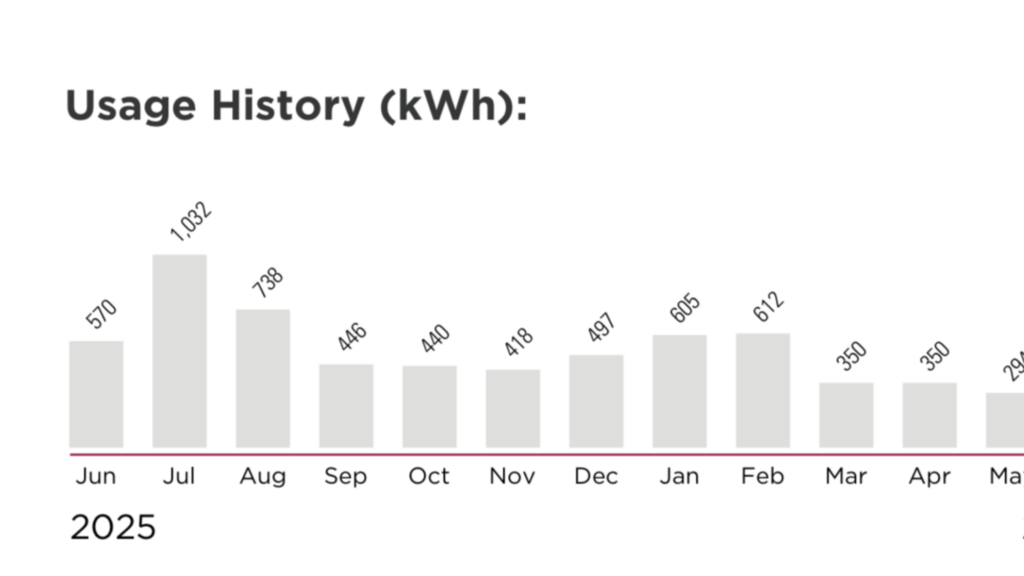
The first step is simple and educational. We look at your energy usage and electric bill to understand how much electricity you use throughout the year. We discuss your goals around clean energy, energy independence, and environmental benefits. You receive a preliminary system design that aims to offset your electricity bills with solar power, along with an introduction to solar incentives and financing options.
What we review:
- 12 months of energy consumption and amount of energy needed
- Roof condition and available space for rooftop panels or a flat roof
- Shade analysis to find maximum sunlight throughout the day
- Your preferred approach: cash purchase, solar loan, or solar lease
Step 2: Site Visit, Roof Evaluation, and System Design
A detailed site visit confirms measurements and structure. We inspect attic access, electrical panel location, and any areas that may need electrical work. We verify structural integrity and plan safety measures that protect your home. From there, we refine system size, component selection, and placement for maximum sunlight exposure.
Key design considerations:
- System size based on energy production goals
- Solar panel selection, power output, and solar inverter pairing
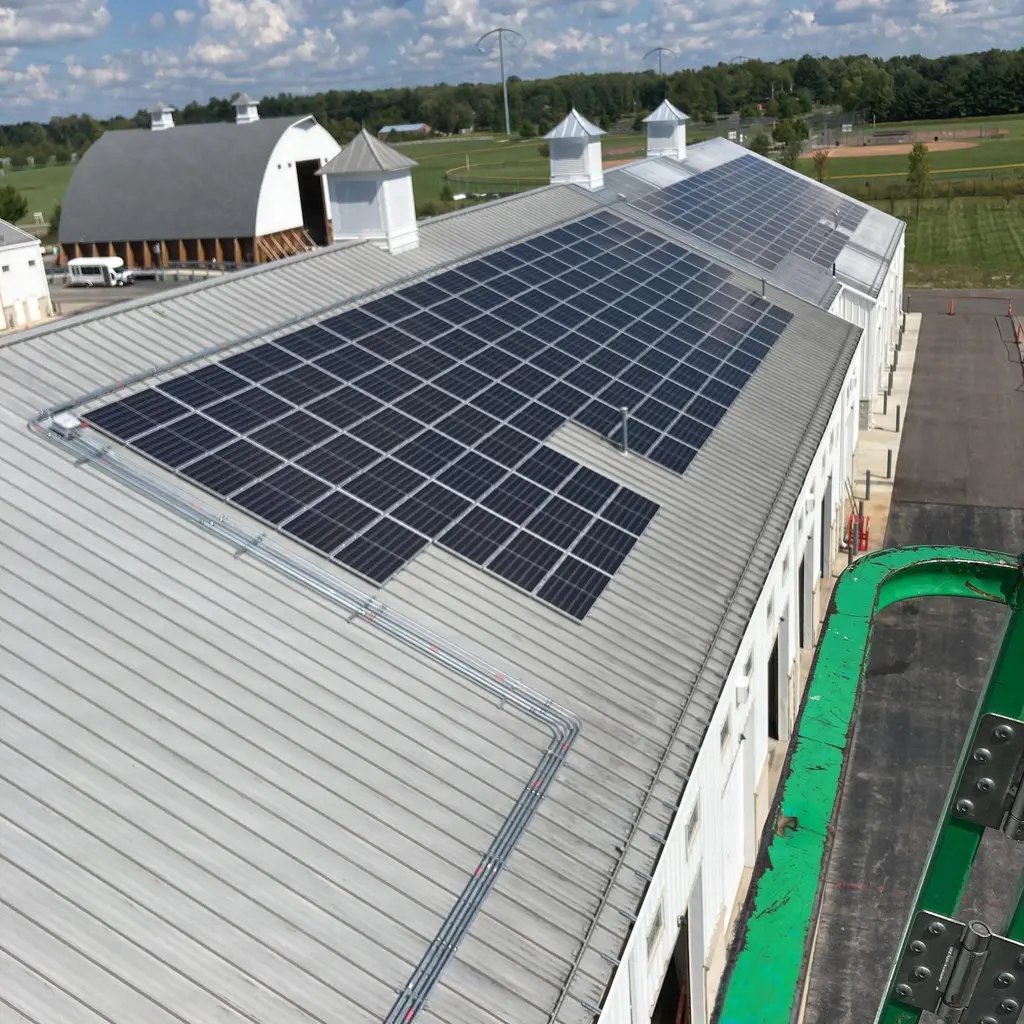
- Electrical wiring pathways and conduit routes for a clean, professional finish
- Optional solar battery readiness for backup and added resilience
Step 3: Proposal, Financing Options, and Solar Incentives
Your custom proposal lays out equipment, scope of work, and the total initial investment. We explain upfront costs and the potential federal tax credit. Many homeowners use a solar loan with predictable monthly payments. We also review local incentives and solar renewable energy certificates where available. The result is a transparent comparison of options.
What you can expect to see:
- Cash purchase, solar loan, or solar lease scenarios
- Tax credit details, including the federal solar tax credit
- Guidance on solar tax credit eligibility and timing
- Estimated payback period based on energy bill savings and energy production
Step 4: Permits, Interconnection, and Net Metering
Kokosing Solar manages the paperwork and coordination so your installation process stays on track. We submit permits, schedule inspections, and work with your local utility on interconnection. We also help you understand net metering policies, which determine how excess solar power is credited on your electric bill.
Good to know:
- Net metering policies vary by location
- Requirements come from your local utility and authorities
- Industry resources from the Solar Energy Industries Association are helpful for policy basics
Step 5: Solar Panel Installation, Electrical Work, and Safety Measures
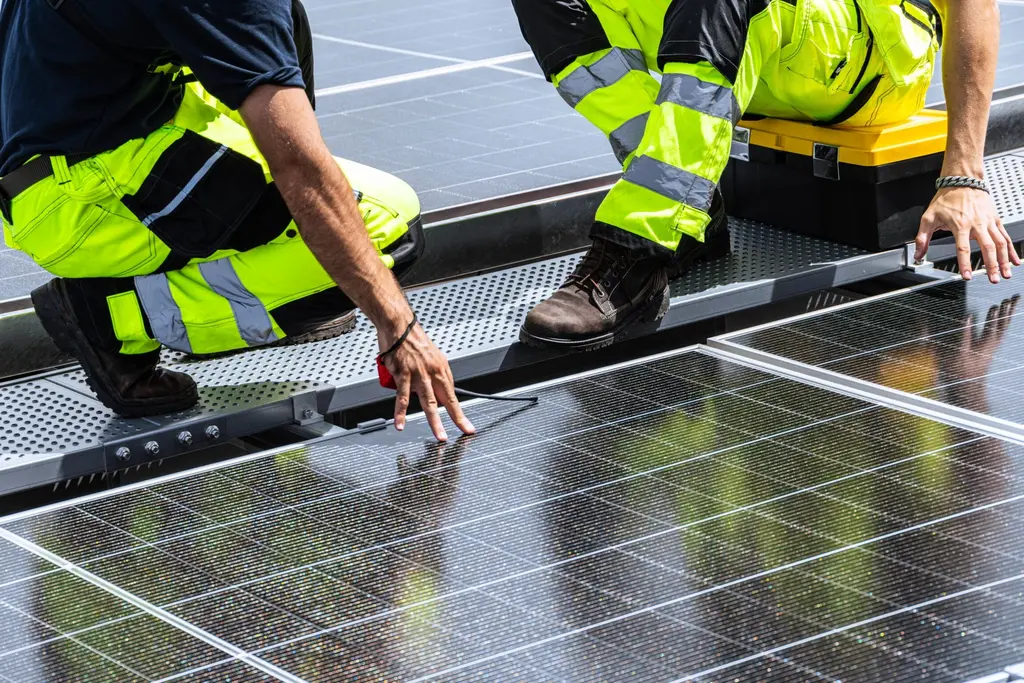
On your home solar installation day, our in-house crews arrive with all equipment ready for a clean, efficient solar panel installation. We mount the solar panel system, set the solar inverter, and complete professional electrical wiring. Panels produce direct current, and the inverter converts it to usable AC for your solar energy system. If you choose a solar battery, we integrate storage with clear labeling and homeowner training.
Typical install flow:
- Roof layout and attachment points for panels or a flat roof array
- Electrical work at the main panel and the inverter location
- Commissioning tests to verify the system’s performance and safety measures
- Final cleanup with a walkthrough of system technology and monitoring
Step 6: Inspection, Activation, and Monitoring
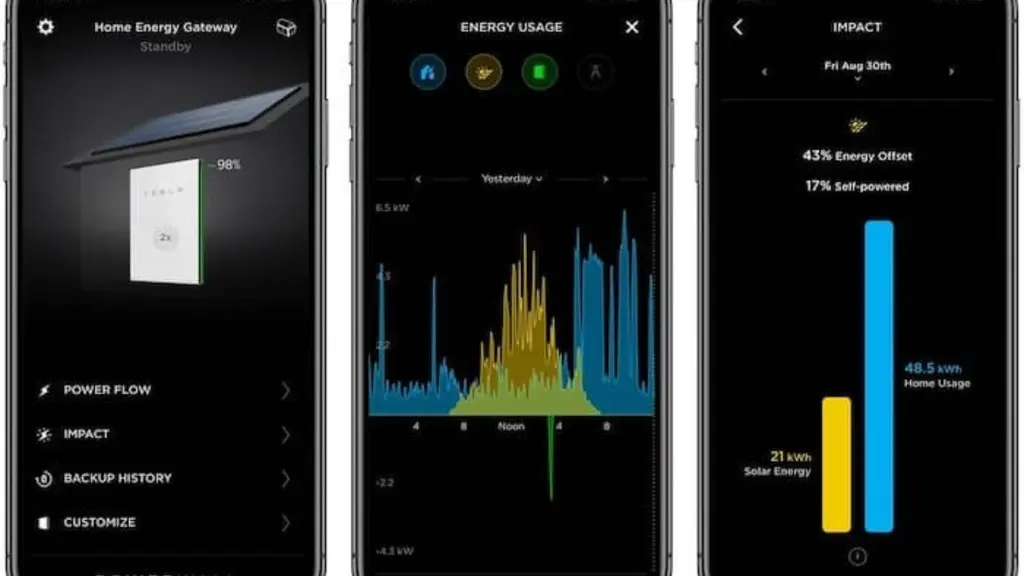
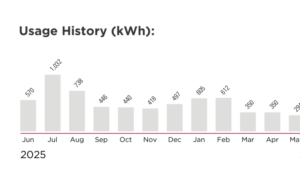
After installation, inspections verify code compliance. Your local utility grants permission to operate once interconnection is approved. We activate your system and confirm data reporting so you can view how much power the system produces. You will see energy production and power output in your monitoring app, plus tools that help you track energy used and saved.
What you receive:
- Monitoring access for live and historical system performance
- Tips to align energy usage with solar production for maximum savings
- Guidance on optimizing your solar technology over time
How Long Does the Home Solar Installation Process Take?
Timelines depend on system size, roof complexity, and the pace of local approvals. Kokosing Solar keeps you informed at every step, from permits to inspections. The installation itself is typically a short on-site window, followed by the utility permission to operate and your final system activation.
Storage, EV Charging, and Energy Independence
Many solar customers pair storage with their solar energy to power essential circuits during an outage. A solar battery can also shift solar power for evening use, which improves self-consumption. If EV charging is part of your plan, we size your solar system to support driving on renewable energy. These upgrades increase resilience and move you closer to energy independence.
Why Choose Kokosing Solar as Your Solar Installer
Experience matters in the solar industry. Kokosing Solar combines internal design, field-tested solar projects, and long-term support. We stand behind our work and serve our communities as a trusted partner. As a member of the Amicus Solar Cooperative, we match small-business service with national buying power. We are Ohio’s longest-standing full-service solar installer, and we welcome the chance to build your own solar system with care and clarity.
Simple Math: Estimating Savings and Payback Period
Solar changes the math completely. Here is a simple way to visualize potential savings.
Example framework:
- Look at your average monthly energy bill and electric bill trends.
- Estimate annual energy production from the proposed system size.
- Multiply expected kilowatt-hour output by your current rate to estimate savings.
- Subtract monthly payments if you choose financing.
- Apply the federal solar tax credit or other solar incentives where eligible.
This basic approach shows how a solar investment can reduce the amount of money you send to the utility over time. Every year you go solar, those dollars stay in your pocket. Households that align energy consumption with daytime production often capture more value. Cleaner energy also lowers your carbon footprint and supports renewable energy growth across the United States.
Long-Term Service & Maintenance for Solar Homes
We design for durability and train homeowners on simple care that keeps systems running smoothly. Kokosing Solar offers Service and Maintenance for ongoing support. If a component requires attention, our team can inspect, troubleshoot, and restore system performance. We help you evaluate performance data and confirm your system continues to deliver clean energy for decades.
What ongoing support looks like:
- Proactive checkups if monitoring flags a drop in production
- Guidance on keeping rooftop panels clear to capture sunlight
- Warranty support and best practices that optimize long-term returns
- Clear communication if you plan home upgrades that affect your solar installation
Ready to save money and power your home with clean, renewable solar power?
Schedule a free assessment with Kokosing Solar. We will answer questions, run the numbers, and map a clear path from proposal to permission to operate. Choose Ohio’s experienced partner for your home solar installation and enjoy reliable performance for years to come.