
When homeowners start to consider solar, they’re usually interested in the lower electricity bills, but what some people don’t know is that there’s also an opportunity for greater independence, like battery storage.
A home battery can store electricity and provide backup power when the utility service is interrupted. For those that are concerned about grid reliability, severe weather or the rising costs in energy, battery storage is becoming bigger and bigger with solar conversations.
What is Home Battery Storage?
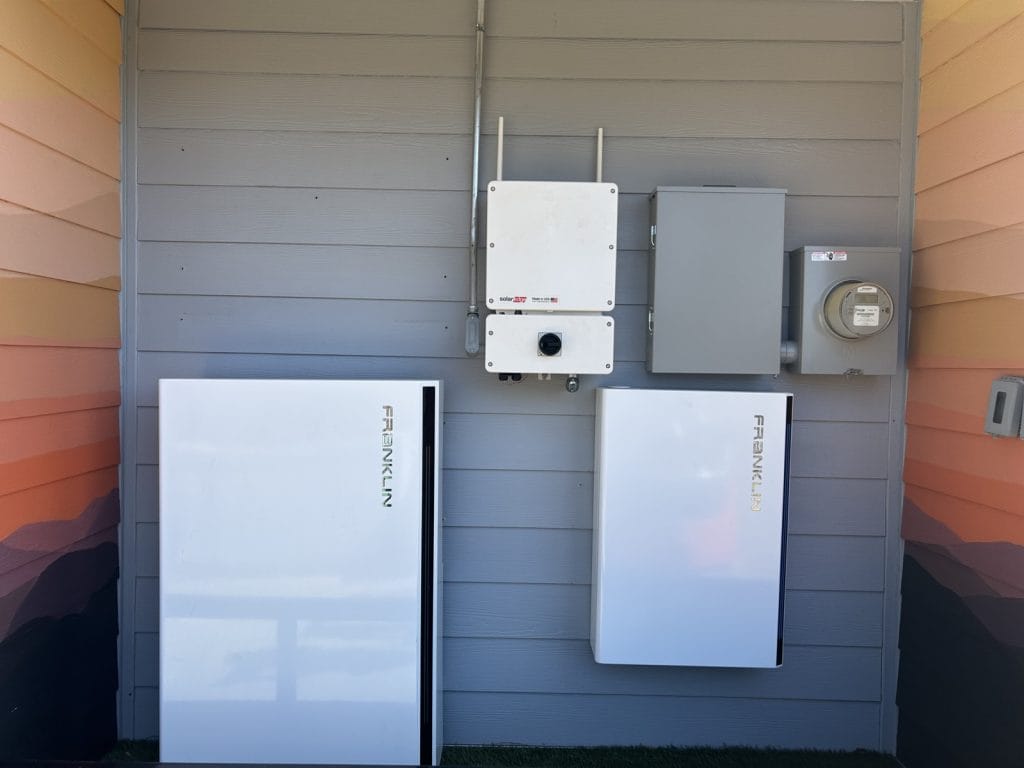
A home battery will store electricity so your home can use it for later use. If you have solar panels, battery storage captures the excess energy your system produces during the day. You can then use that stored energy at night, during power outages, or whenever your home needs additional power.
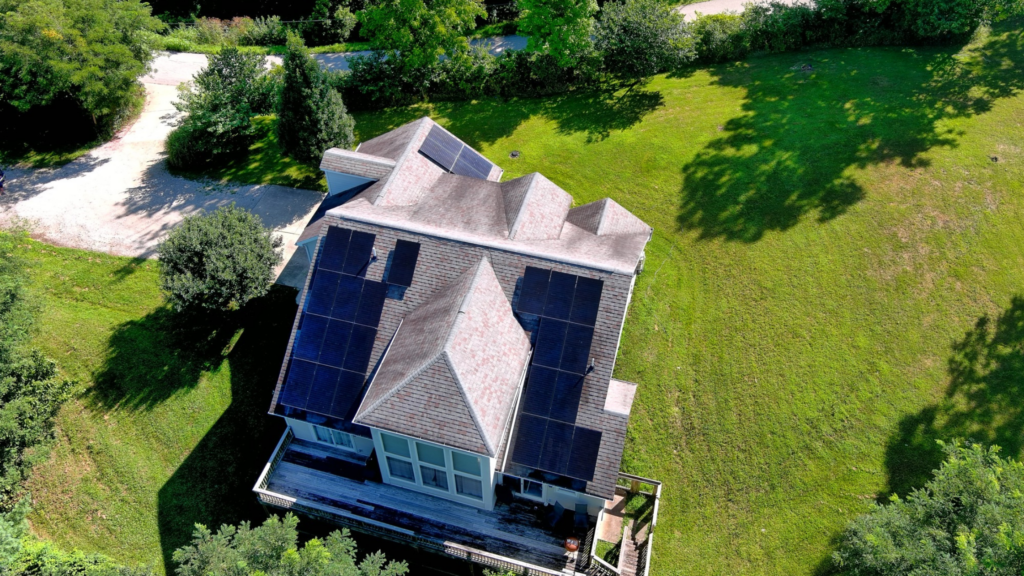
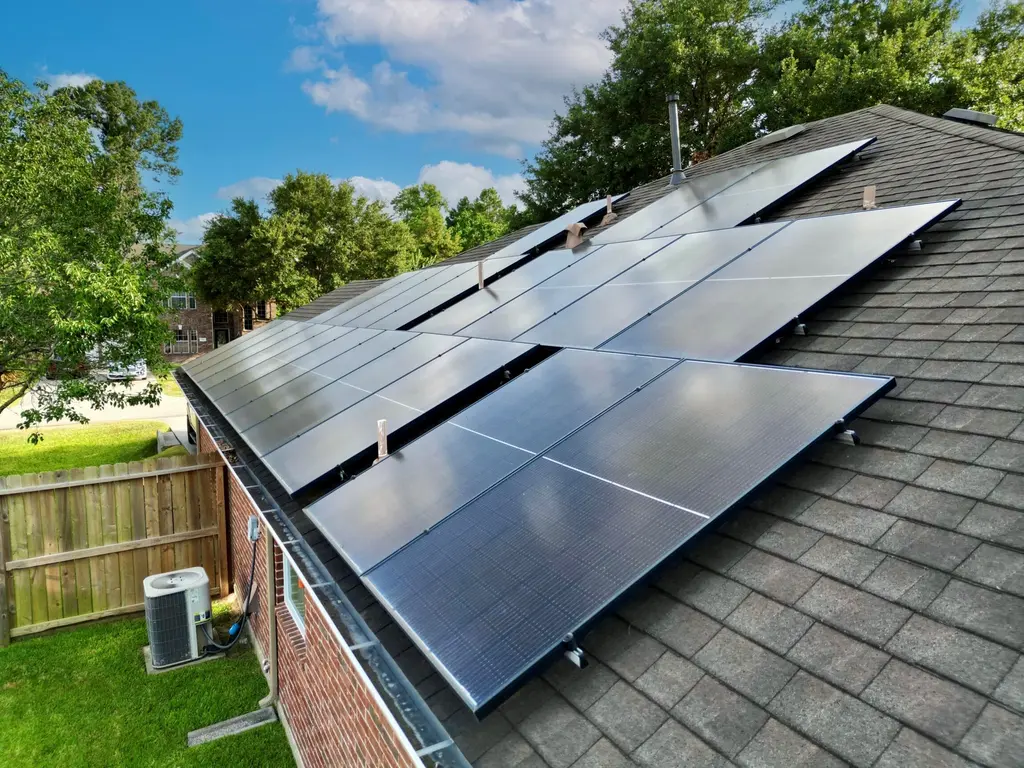
Solar energy works by allowing your solar panels to generate electricity from sunlight throughout the day. Your home uses this solar power first, helping reduce the amount of electricity you need to purchase from the utility company. When your solar system produces more energy than your home needs, the battery stores the excess electricity for later use. You can then use that stored energy in the evening, on cloudy days, or whenever your solar panels do not generate enough power to meet your home’s energy needs.
some cases, battery storage can also provide backup power during outages which helps keep essential appliances and deceives running when the grid goes down.
What Happens During Power Outage?
Without having a battery backup system, most grid-connected systems automatically shut down during an outage. This comes as a surprise to some homeowners but the reason this happens is for the safety of the workers repairing the power lines. But, when you have battery storage, selected parts of your home may continue to operate even when the grid goes down, depending on your system setup.
How Solar and Battery Storage Work Together
Both solar panels and battery storage systems serve different roles, but they’re still complementary to each other in a home’s energy system. Solar panels generate electricity from sunlight during the day while batteries are designed to store excess electricity for use when it’s needed later on. When they both work together, they can help homeowners maximize the energy that you produce from your solar system and they work to reduce your reliance on the grid.
A solar energy system consists of multiple key components. Solar panels capture sunlight and convert it into electricity. While an inverter transforms that electricity into a form that can be used by household appliances and devices. When your solar system generates more energy than your home needs, you can send the excess power to the grid or store it in a battery for later use. The battery provides backup energy at night, on cloudy days, or during periods of high demand. With backup capabilities, it can also keep essential appliances and systems running during power outages.
Can Batteries Work Without Solar?
In some cases, battery systems can charge from the utility grid. However, many homeowners choose to pair batteries with solar because it gives the battery a source of power to recharge from during normal operation.
Without a solar system, the battery will depend on grid power to charge. With solar, the system will use sunlight to help recharge the battery when conditions allow.
Why homeowners consider battery backup
Battery storage is gaining popularity as homeowners look for greater energy security, protection from rising utility costs, and more control over their power.
Sometimes it’s about more than the utility bill.
How Long Can a Solar Battery Last During an Outage?
The length of time depends on a lot of different factors, including battery capacity, energy usage, and whether your solar panels are continuing to recharge the battery.
A battery could provide backup power for several hours or even longer for essential loads. If your solar panels are generating electricity throughout the day, they may help recharge the battery and extend the available backup power. Battery storage isn’t just about surviving a short outage, It can also provide additional energy security during prolonged outages.
Benefits Beyond Backup Power
Most homeowners initially consider batteries for outage protection, but backup power isn’t the only benefit batteries bring.
Battery storage can also help homeowners:
- Store Excess solar production
- Energy independence
- Reduce reliance on the grid
Are Solar Batteries Worth It?
Whether batteries are worth it depends on your goals. If your main concern is lowering your electric bill, solar panels alone may provide enough significant savings.
If you’re concerned about power outages or grid reliability, a battery can add value to your solar system. It provides backup power, increases energy independence, and helps you use more of the electricity your panels generate. To decide if battery storage is right for you, consider your energy needs, outage history, and long-term goals.