
Summer driving adds up fast. Between road trips, busy weekends, and daily commuting, many Ohio EV owners start paying closer attention to charging costs and electricity bills in July. The good news is that home solar can cover a meaningful share of electric vehicle charging, and in some cases the majority of it, depending on your energy usage and system size.
Solar EV charging works when your solar panels produce electricity and your home uses that solar power to run an EV charger, your household load, or both. When solar production is higher than home use, that extra electricity can become excess energy that supports charging or flows to the utility grid, depending on your setup. Kokosing Solar installs residential solar and EV charging station equipment together, which helps homeowners plan one complete, reliable energy strategy.
Can you charge an electric vehicle with home solar in Ohio?
Yes. A home solar energy system can supply electricity for electric vehicle charging through your home’s electrical panel, with grid electricity filling any gaps when solar production is low. Most homes stay connected to the utility grid, so charging stays consistent even at night or during cloudy weather. A solar EV charger setup works best when your solar array and charging system are planned around real driving habits and energy consumption.
How solar EV charging works at home
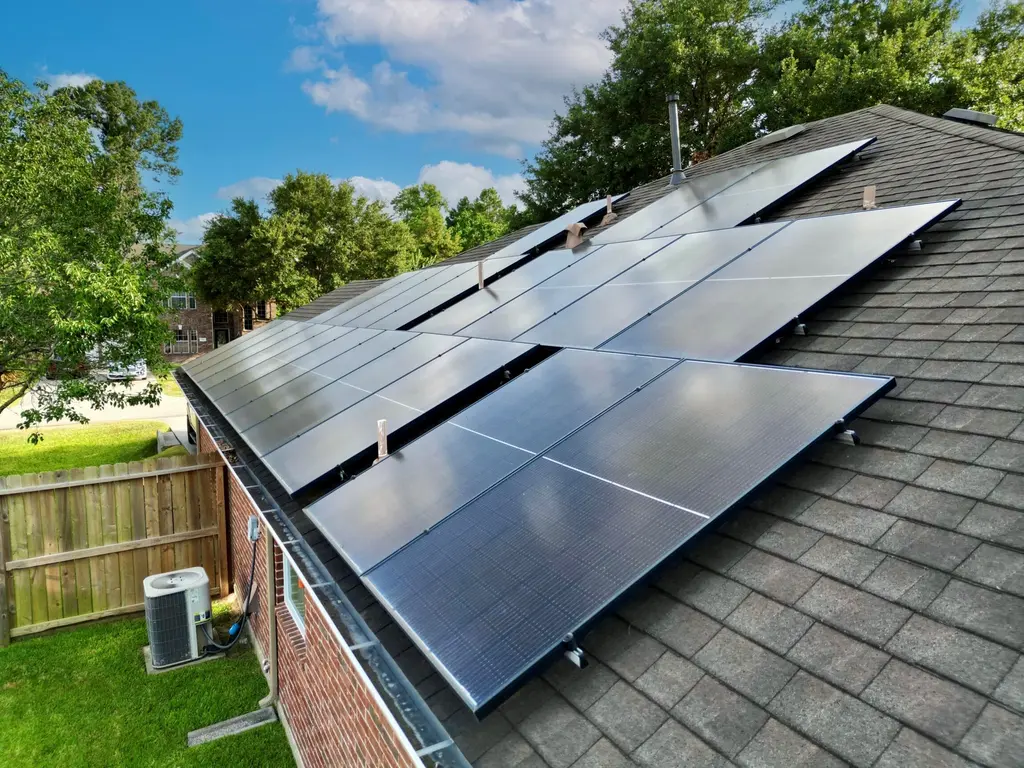
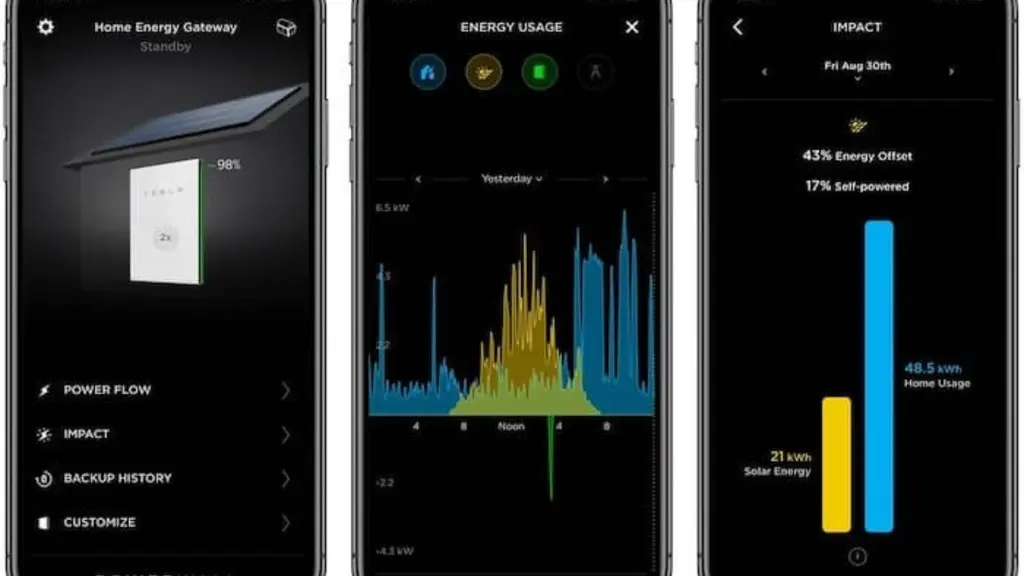
Solar charging is straightforward. Your solar panel system produces electricity during daylight hours. That power runs your household load first, such as lighting, appliances, and HVAC. If there is excess solar energy left over, it can support home EV charger demand or flow outward as grid energy.
Here’s the practical takeaway for most Ohio homeowners: you don’t need a special “solar charger” to start. You need a properly designed solar system and a compatible EV charger tied into your home’s electrical panel. A smart EV charger can add helpful energy management features, such as scheduling electric car charging for midday production or off-peak rate windows.
The math: how much electricity does EV charging use?
EV energy usage is typically measured in kilowatt-hours, the unit you see on your electricity bills. The more you drive, the more energy you need to recharge your vehicle’s battery.
Your EV charging costs depend on:
- Miles driven per month (road trips increase this quickly)
- Vehicle efficiency (how much electricity per mile)
- Electricity prices and rates from your utility
- When you charge (peak rate vs. off-peak)
- How much solar production you have available
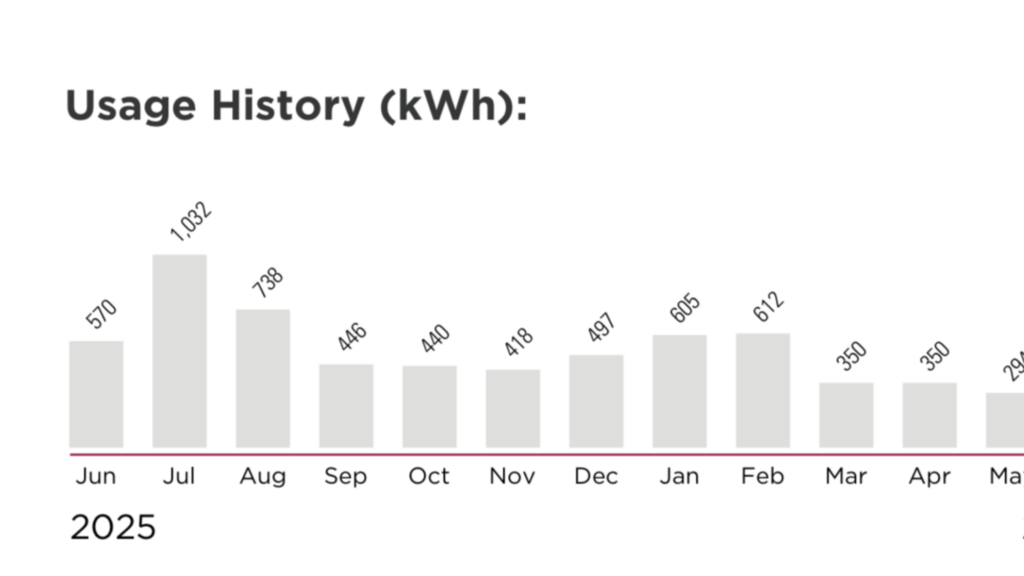
When homeowners ask “how much power do I need,” the best answer comes from your actual driving and your home’s energy bills. Once you know your typical energy consumption, it becomes easier to estimate the size of your array and whether you want battery storage.
What changes for Ohio homeowners: seasons, daylight hours, and the grid
Ohio solar production rises in late spring and summer because of longer daylight hours. That timing lines up well with seasonal travel and higher EV charging demand. You may see days where your solar panels produce enough excess energy to cover a significant portion of charging, especially if you charge during the day.
In fall and winter, solar production can drop due to shorter days and weather. That’s where grid power still plays a role for many homes. Staying connected to the energy grid gives you reliability, and it keeps your charging station ready even when your solar array isn’t producing at its peak.
Choosing the right EV charging station for your home solar plan
EV chargers come in different power levels, and the type of charger you choose can affect charging costs and installation needs. Some homeowners prefer a faster charging station for convenience, while others are comfortable with slower charging overnight. Your charging system should match your driving patterns, available electrical capacity, and energy budget.
A few planning points that matter in real homes:
- Home’s electrical panel capacity and available breaker space
- Distance from the panel to the garage or parking area
- Desired charging speed and typical daily miles
- Future plans such as a second electric vehicle or expanded home use
Kokosing Solar can install an EV charging station at your home when you go solar, which allows one coordinated plan for solar panel installation, electrical work, and equipment placement.
Solar energy storage: when battery storage helps EV owners
Battery storage can store solar energy produced during the day for later home use, including evening electric vehicle charging. For many homes, a storage system adds flexibility and supports energy independence, especially when your goal is to use more of your own solar power instead of relying on grid power after sunset.
That said, not every homeowner needs an energy storage system for solar EV charging to work. Some EV owners do well simply by shifting charging to midday when possible or by using scheduled charging to avoid peak rate periods. If you’re considering battery storage, it helps to talk through expected energy usage, priorities, and how long you want backup capability during outages. Product specifics like maximum storage duration vary by equipment, so the best next step is a site assessment and design conversation.
Environmental impact: lowering your carbon footprint with solar charging
Many EV owners buy an electric car to reduce their carbon footprint and limit reliance on fossil fuels. Pairing EV charging with renewable energy strengthens that decision by powering miles with clean energy generated right on your roof.
The environmental impact comes from two directions:
- Replacing gasoline with electric vehicle charging at home
- Reducing the share of grid electricity used for transportation by increasing onsite solar power
This approach supports broader climate change goals while keeping the focus practical. You gain a more predictable energy plan, and you turn sunlight into a daily resource for transportation.
Planning solar production around EV charging: what a good assessment covers
A strong plan connects your solar energy system to your real life. That involves looking at your current electricity bills, your household load, and your EV charging habits. It also includes reviewing your electrical panel to confirm it can support the new charging station and solar interconnection needs.
A typical evaluation for solar EV charging may include:
- Reviewing historical energy bills and electricity costs
- Estimating EV energy consumption based on driving patterns
- Assessing roof space and the size of your array goal
- Checking your home’s electrical panel and service capacity
- Discussing options like battery storage and energy management system features
- Considering where the EV charging station will be placed for daily convenience
Kokosing Solar positions this as an informed decision, backed by decades of experience. With 25+ years of solar expertise and 74 years of construction experience, the team focuses on safe, reliable design and proper installation that supports long-term performance.
Cost savings and the hidden cost of doing nothing
Electricity prices have a way of creeping up over time, and that affects everything that runs on your home’s power, including electric vehicle charging. Every year you wait, the utility bill gets higher. Every year you go solar, those dollars stay in your pocket.
Solar EV charging can improve cost savings in two clear ways. First, solar power can reduce the portion of charging that depends on utility grid rates. Second, a well-sized solar panel system can help stabilize long-term energy costs for both home use and transportation. Homeowners often find the biggest value comes from combining a solar system plan with realistic charging costs, rather than guessing based on best-case scenarios.
In many cases, homeowners also ask about the federal tax credit for solar. Incentives can change and eligibility depends on your situation, so it’s smart to confirm current details with a qualified tax professional and your installer during the planning stage.
Why homeowners choose Kokosing Solar for solar EV charging in Ohio
Home charging touches multiple systems at once: solar panels, your electrical panel, your charging station, and your day-to-day energy usage. Having one experienced partner helps keep the installation process clear and coordinated.
Kokosing Solar is Ohio’s longest-standing full-service solar installer, and the team installs both a solar system and an EV charger for homeowners who want a single, integrated plan. The goal stays consistent: turn the reliable, free energy of the sun into savings you can count on, with a system designed for the long term.
Ready to see what solar EV charging looks like for your home?
If you’re driving more this summer and thinking about an EV charging station at home, now is a great time to run the numbers. Schedule a free assessment with Kokosing Solar to review your solar production potential, your home’s electrical panel capacity, and your electric vehicle charging needs so you can build a clear, confident path to clean energy at home.