Energy planning varies when you run a warehouse, manage farmland, or operate a retail location. Your energy costs depend on when you use power, how predictable your loads are, and how much roof or land you can dedicate to a project. Solar changes the math completely, but the best solar approach depends on your facility type and business goals.
At Kokosing Solar, we help Ohio organizations turn sunlight into dependable solar energy with practical, site-specific solar solutions. With 25+ years of solar experience and deep construction roots, our team focuses on systems that perform over decades, backed by long-term service. Below, we break down how solar power adapts across three common commercial scenarios.
The common goal: reliable solar energy production and long-term cost control
Across warehouses, farms, and retail properties, the business case often starts with stability. Utility energy prices can rise, and rate changes can make budgeting harder. A well-designed solar power system helps you produce a predictable amount of electricity onsite and reduce exposure to volatility.
Many organizations also watch incentives closely. The federal investment tax credit is a major factor for many projects, and Kokosing Solar frequently discusses how solar tax credits can shift dollars that would have gone to IRS tax payments into on-site infrastructure. That is a practical way to invest in your facility while improving operating reliability.
Solar panels for farms: designed around seasons, loads, and agricultural operations
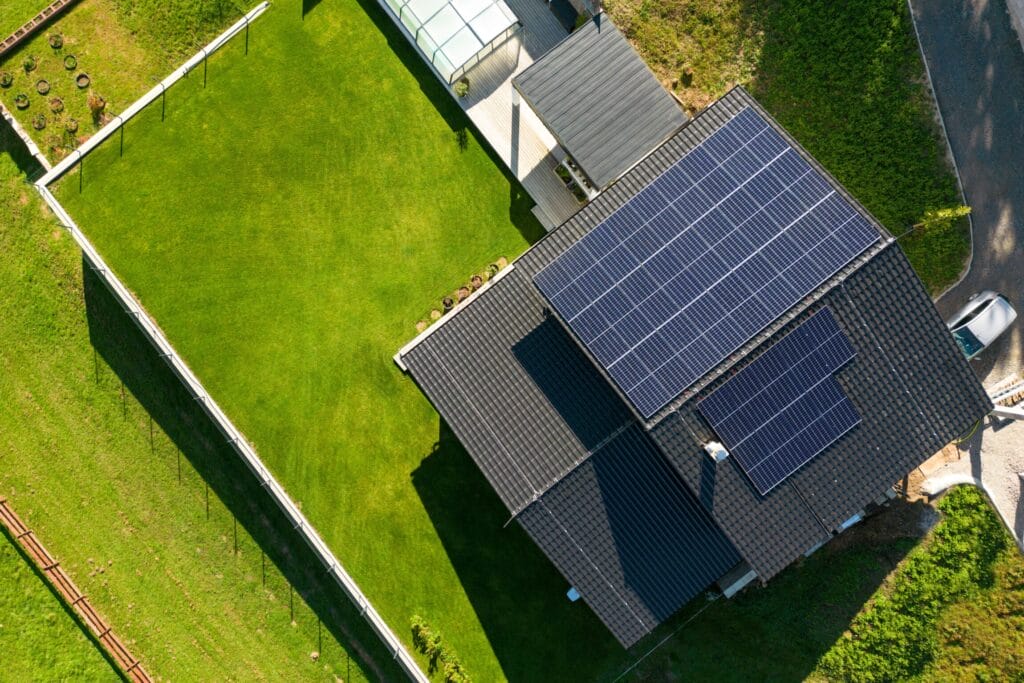
For many agricultural customers, the best projects start with a simple observation: farms often have available space and meaningful electrical demand. Solar panels for farms can convert unused rooftops, outbuildings, or unproductive ground into long-term assets while supporting day-to-day agricultural operations.
Farm energy use can be seasonal, tied to specific equipment like ventilation, milk cooling, grain handling, or water movement across fields. When your load rises during daylight hours, pv production lines up naturally with demand. When loads shift, a thoughtful design can still support steady, valuable energy production over the year.
Common farm-specific considerations include:
- Available roof area on barns and outbuildings, plus roof condition and shading
- Ground-mount siting on farmland that stays workable for equipment access
- Electrical service capacity and how the system connects to the grid
- How extreme weather and seasonal operations affect layout, racking, and maintenance access
For many landowners, the strongest long-term benefit is control. Solar panels for farms help you lock in a portion of your power supply for decades, so rising utility bills become less of a permanent line item in your budget.
Do solar panels for farms work for irrigation systems and remote areas?
Yes, solar can pair well with irrigation systems, especially when pumping needs align with sunny, dry periods. In some cases, farms also explore solar irrigation systems or solar water pumps for specific applications, including certain remote areas where running new utility lines is costly.
The right fit depends on your water needs, power requirements, and existing electrical infrastructure. A practical first step is to review how much power your pumping equipment uses, when it runs, and whether your current setup is connected to the grid. From there, it becomes easier to evaluate which solar panel systems support your operation and what the payback could look like.
Warehouses: solar arrays that match predictable loads and large roof space
Warehouses tend to be strong candidates for commercial solar because they often combine high, consistent energy use with expansive, unobstructed roof area. Large rooftops can support sizeable solar arrays, and their daily load profile often includes lighting, charging equipment, conveyor systems, and HVAC needs for employee comfort.
From a design standpoint, warehouses usually benefit from:
- Clean roof geometry that supports efficient solar panel installation
- Fewer rooftop obstructions, which improves layout and performance
- Predictable load patterns that simplify sizing and economic modeling
- Straightforward maintenance access, which supports long-term operations and service
Warehouses also tend to track operational costs closely. Solar can help by reducing purchased electricity during the day, when many facilities are active. When you run the numbers, the conversation becomes less about novelty in the solar industry and more about controlling a major expense line.
Retail: solar solutions that support brand trust and daytime demand
Retail solar projects often start with a different question: how do we control costs while strengthening the customer experience? Retail stores frequently use significant power during business hours, and that aligns well with daytime solar production. The site constraints can be different, though, because retail properties may have more shading, HVAC equipment, and architectural features that affect usable roof area.
Retail also brings visibility. A rooftop solar system signals a commitment to sustainability, and many organizations appreciate the community benefit of generating clean power where it is used. That can resonate with customers and employees, particularly when paired with clear, factual messaging about energy savings and on-site generation.
From a performance standpoint, retail projects still come down to solid engineering basics:
- Assess the roof and electrical infrastructure for long-term suitability
- Model production based on local weather trends and system orientation
- Size the system to match load and site limits
- Plan for monitoring and maintenance so production stays on track
When retail leaders think long-term, solar becomes a tool for managing expenses and showing steady leadership, even when energy markets fluctuate.
Show the math: simple ways to compare farms, warehouses, and retail
Solar economics should feel understandable. While every site is different, you can compare opportunities by looking at a few consistent inputs: how much electricity you use, when you use it, and how much space you can dedicate to panels.
Here is a straightforward comparison framework:
- Load timing: Daytime loads typically increase the value of onsite solar power. Retail and many warehouse operations line up well. Farms can line up well during irrigation, ventilation, and processing cycles.
- Available space: Warehouses often lead on roof area. Farms may have both roof and ground options across barns, sheds, and open land. Retail can have usable roof, but shading and equipment can reduce it.
- Operational constraints: Farms may need layouts that respect machinery, crop movement, and livestock areas. Warehouses need roof integrity and clear access. Retail often balances roof space with aesthetics and tenant needs.
- Financial drivers: Many businesses look to the investment tax credit and long-term savings from avoided utility purchases as key contributors to ROI, especially as energy prices rise across the united states.
This is also where solar panel technology and project design matter. Panel quality, layout, and electrical design influence output, so a project that looks similar on paper can perform very differently in practice.
What stays the same across every commercial solar panel system?
The end goal is consistent: safe, dependable production and a clear path to long-term savings. Regardless of industry, the fundamentals of a successful project include a realistic assessment of your facility, strong engineering, and a plan for service over time.
Kokosing Solar approaches commercial work as a long-term relationship. We design systems internally, install with highly trained professionals, and support ongoing operations and maintenance. For farms, that can mean helping you turn rooftops and underused ground into assets. For warehouses and retail, that often means building a system that supports stable budgeting and resilience as utility rates change.
When you evaluate solar facilities and project proposals, focus on clarity. Ask how production was modeled, what assumptions were used, and what service support looks like after the install. That keeps you in control and supports an informed decision.
Choosing solar panels for farms, warehouses, or retail: run the numbers first
The best next step is a fact-based conversation about your site, your electrical usage, and what you want solar to do for your organization. Solar panels for farms may prioritize flexibility around land use and agricultural schedules. Warehouse systems may emphasize maximizing roof production. Retail systems often balance roof constraints with visible sustainability goals and predictable daytime demand.
Ready to see how solar fits your facility? Contact Kokosing Solar to schedule a free assessment and run the numbers. We will help you evaluate a right-sized solution that supports your operations, reduces long-term energy risk, and turns reliable sunlight into dependable savings.