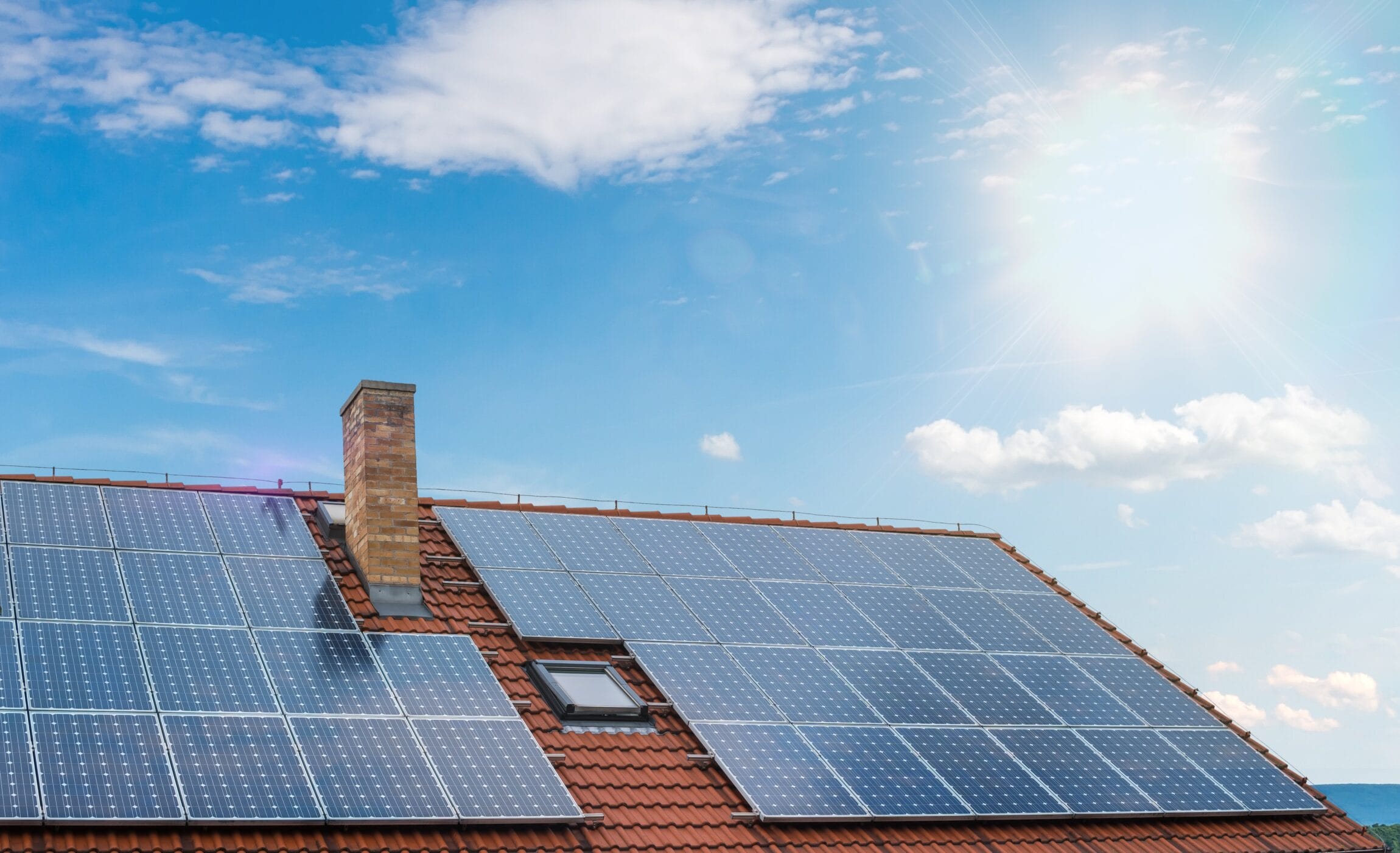
How to Clean Solar Panels: 2026 Guide

Quick answer: In Ohio and across the Midwest, solar panels do not require frequent cleaning. Clean solar panels when you see visible buildup (dust, pollen, bird droppings, or soot). Use soft water, a hose with gentle flow, nonโ€‘abrasive brush/mop, and mild, pHโ€‘neutral soapโ€”avoid pressure washers and harsh chemicals. Clean in the early morning or evening, prioritize safety, and consider hiring a pro for steep roofs or stubborn grime. In much of Ohio, cleaning isn’t a requirement, but it varies by site conditions.

What we cover in this article:

  • Why clean solar panels?
  • When to clean
  • How to clean
  • Safety first: Tips for ensuring safe cleaning
  • Answers to all your questions about solar panel cleaning.

Why Clean Solar Panels?

The short answer is: dirty panels can reduce your system’s efficiency and, consequently, your energy savings.

According to the National Renewable Energy Laboratory, dust, dirt, pollen, bird droppings, and other debris can reduce energy output by 15%. However, these statistics come from research done in North Carolina during peak pollen season. In Ohio we find that production losses are far less significant

Whatโ€™s important to know is that energy production can be affected by dirt, debris and pollen and keeping an eye on efficiency will help you save money in the long run.

Quick rule: If your monitoring app shows a persistent drop in production vs. Historical, and conditions havenโ€™t changed, check for soiling.


When to Clean

Types of Contaminants:

  • Pollen (springโ€“early summer): can be heavy in the Midwest, especially if youโ€™re surrounded by trees; can create a sticky film that rinses poorly when baked on
  • Dust: can be common near roads, farms, and development
  • Bird droppings: Highly localized but can have a high impact
  • Leaves & organic litter: Areas covered by trees can collect debris and trapped moisture can encourage mildew

Factors Impacting Cleaning Frequency

  • Site setting: Urban (soot, construction dust), suburban (pollen, landscaping), rural (ag dust, pollen)
  • Roof tilt & layout: Low-tilt or horizontal panels collect more buildup and drain less effectively
  • Nearby trees: Shade + sap + birds
  • Weather & seasons: Spring pollen, summer dry spells (dust), lake-effect or winter storms (snow)

Signs Your Panels Need Cleaning

  • Visible film, spots, or streaks that donโ€™t rinse off with a light rain
  • Monitoring data: Sustained underperformance vs. historical averages for the same month
  • Inverter/app alerts or flagged strings showing lower output than neighboring systems
  • Local shading patterns shifting due to debris accumulation near frames


Environmental & Regional Considerations (Ohio, Urban vs. Rural)

In the Ohio climate, not all solar energy systems will need regular cleaning. Often the rain alone will be enough. However, your environment or region may impact this

The Ohio climate sees freezeโ€“thaw cycles, spring pollen, and winter snow. If your panels are impacted by these factors, plan to clean your solar panels postโ€‘pollen (late spring/early summer) and postโ€‘leaf fall (late fall).

  • Urban areas: Some Ohio urban areas (Cincinnati and Cleveland Ohio) have higher soot/particulate loadย 
  • Rural/agricultural: Dust during planting and harvest; pollen from fields and tree lines
  • Lake-effect snow (NE Ohio): Snow adhesion can be stronger

Ohio baseline: Cleaning solar panels once or twice per year is typical for many homeowners.


How to Clean

Risks of Improper Cleaning

  • Scratches from abrasive pads/brushes or gritty cloths
  • Micro-cracks & water intrusion from pressure washers or forcing water under frames
  • Electrical risk: Wet connectors, open junction boxes, or cleaning during faults
  • Warranty issues: Using harsh chemicals or abrasive methods can void solar panel warranties

Tools & Materials (Homeowner Kit)

  • Soft-bristle brush or non-abrasive squeegee/mop with extension pole
  • Garden hose with gentle spray (no pressure washer!)
  • Bucket with mild, pHโ€‘neutral soap (a few drops in several gallons) or a solar-safe cleaner
  • Deionized (DI) water or soft water for final rinse to minimize spotting (optional but ideal)
  • Microfiber cloths for edge/detail work
  • Personal protective equipment (see โ€œSafety Firstโ€)
  • Avoid: Steel wool, scouring pads, abrasive powders, glass polish like windex, solvents (acetone, paint thinner), ammonia/bleach, vinegar on coatings, and highโ€‘pressure hose nozzles

Step-by-Step Process

  • Shut down per manufacturer instructions and follow any site lockout/tagout steps
  • Choose timing: Early morning or late afternoon when panels are cool and debris is softer
  • Dry dust-off (optional): Lightly brush off loose grit to prevent scratching during wet cleaning
  • Rinse gently: Use a soft, widespread stream to wet the surface and loosen grime
  • Soapy wipe: Apply diluted, pHโ€‘neutral soap with a soft brush/mop. Use light pressure; work topโ€‘down
  • Target spots: For bird droppings/sap, let soapy water sit 2โ€“3 minutes. Re-wet rather than scrub hard
  • Rinse thoroughly: Ensure no soap residue remainsโ€”de-ionized and soft water best for the final rinse
  • Squeegee (optional): Pull water off in smooth passes to reduce spotting. Air drying is OK too
  • Dry edges/hardware: Use microfiber to wipe frames/edges where water pools
  • Restart & verify: Bring the system online and monitor production vs. prior baseline on the next sunny day

Common Mistakes to Avoid

  • Cleaning at midday (hot glass = streaks, thermal shock, baked-on spots)
  • Using pressure washers or abrasive tools
  • Letting hard water dry on panels (mineral spots are stubborn)
  • Over-soaping (residue attracts dust)
  • Spraying water upward into the frame
  • Skipping safety controls (turning system off/ ladder/roof fall risks)

Pros and Cons: Hiring a Professional

Pros

  • Trained for roof/fall safety and electrical awareness
  • Purified water systems (spot-free), telescopic poles, and solar-safe tools
  • Faster, consistent results; production reports in some service packages

Cons

  • Cost per visit
  • Scheduling/availability around peak seasons
  • Variable qualityโ€”verify insurance, references, and methods
  • When to hire: Steep or high roofs, fragile tiles/metal roofs, heavy soiling you canโ€™t remove gently, or if youโ€™re uncomfortable working at height


Long-Term Care Tips

  • Trim trees to reduce shade, sap, and droppings
  • Water plan: If you have hard water, keep a few gallons of DI water or use a spot-free rinse attachment
  • Monitoring habit: Check inverter/app; note seasonal baselines to catch soiling sooner


Safety First: Tips for Ensuring Safe Cleaning

  • Electrical safety: Turn the system off, first. Never open sealed enclosures; avoid disturbing wiring and connectors. If you suspect damage, stop and call a pro.
  • Weather & surface: Work on dry, non-windy days; avoid wet roofs and icy conditions.
  • Time of day: Clean when panels are cool (early/late) to avoid burns and thermal stress.
  • Ladders/Fall protection: Use a Class 1 ladder on level ground; secure at top; maintain 3 points of contact. For steep roofs, use a harness/anchor or hire a pro.
  • Footwear & PPE: Non-slip shoes; safety glasses; cut-resistant, grippy gloves.
  • Buddy system: Have someone spot you, especially on ladders/roofs.
  • Chemical caution: Only mild, pHโ€‘neutral soaps.


Answers to All Your Questions About Solar Panel Cleaning (FAQ)

Will cleaning void my solar panel warranty?

Noโ€”if done correctly. Avoid abrasives, harsh chemicals, and pressure washers. Follow your panel manufacturerโ€™s care guidelines and your installerโ€™s O&M (operations & maintenance) notes. Keep receipts and logs.

Can rain suffice to clean solar panels?

Yes! Rain can remove loose dust, but it often doesnโ€™t get to the sticky pollen, droppings, or mineral films. Think of rain like a rinse.

How much does professional cleaning cost?

Costs vary by roof height, pitch, access, and system size. A typical Ohio singleโ€‘family home (20โ€“30 panels) may see $150โ€“$400 per visit; larger or complex roofs can be $400โ€“$800+. Annual plans or bundle discounts can reduce perโ€‘visit costs. (Ask for proof of insurance and a method statement before booking.)

Can I use a pressure washer?

No. High pressure risks forcing water under frames, damaging seals/coatings, and causing micro-cracks. Use low-pressure hose flow and soft tools.

What is the best thing to clean panels with?

Cool water + soft brush/squeegee + mild, pHโ€‘neutral soap. For a spot-free finish, rinse with deionized water. In many cases, water alone with a soft brush is sufficient.

What cleaning products can I use?

Choose pHโ€‘neutral, residueโ€‘free soaps (few drops in a bucket). Avoid ammonia, bleach, vinegar, solvents, abrasive creams, and anything labeled โ€œglass polish.โ€ When in doubt, water and a gentle brush are safest.

Should I clear snow off my panels?

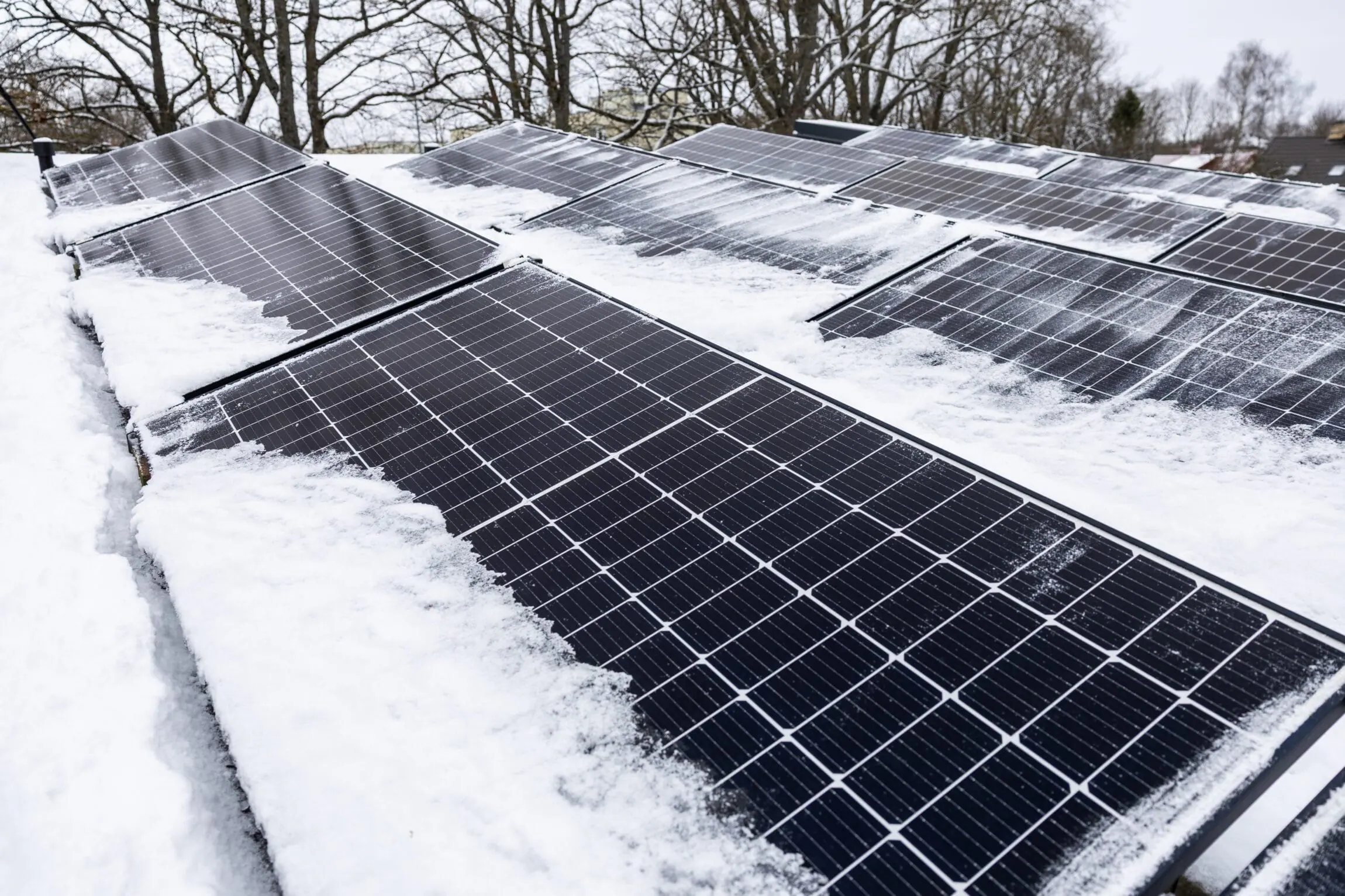
Our answer โ€“ no! Let snow melt and slideโ€”especially on pitched roofs. Panels typically shed snow as the panels were positioned for the sun to warm the surface. It isnโ€™t worth the risk of scratching the panel surface for a few extra days of winter sunlight. Wait for the snow to melt.

What are the big noโ€‘nos when cleaning?

  • Leaving the solar array on while cleaning
  • Pressure washers or hard nozzles close to the glass.
  • Abrasive pads, powders, or scouring tools.
  • Harsh chemicals (ammonia, bleach, solvents) or acidic cleaners on coated glass.
  • Cleaning in full sun with hot panels.
  • Spraying upward into backsheets.
  • Ignoring safety gear and fall protection.


What about cleaning solar panels on ground mounts?

Ground mounts are easier and safer to clean. Frequency is similar; dust can be worse if near driveways or fields.

Will cleaning noticeably boost production?

It depends on how dirty they are. Homeowners often see measurable gains after cleaning heavy pollen films or droppings. Use your monitoring app to give you a clear before/after on a clear day.

Can I stand on my panels?

No. Walking on panels risks cracks, cell damage, and voided warranties.

What if I have hard water?

Use a final rinse with deionized water or squeegee thoroughly before water dries.


Keeping Your Solar Panels Clean in 2026

Keeping your solar panels clean isnโ€™t about aestheticsโ€”itโ€™s one of the simplest ways to protect your investment and maximize longโ€‘term performance. With the right tools, safe techniques, and an understanding of how your solar energy system fairs throughout the seasons, you can keep your system running at peak efficiency yearโ€‘round. Whether you choose to handle the maintenance yourself or call a professional, staying proactive will ensure your panels continue delivering your home with reliable solar energy.

Why Ohio Electric Bills Are Spikingย Andย How Solar Can Lower Costsย 

Ohio homeowners are feeling the pinch as electricity prices surge across the state. Residents are wondering why Ohio electric bills are spiking.ย ย 

Currently winter heating demands, which will become it’s summer air-conditioning loads in just a few months, more residents than ever are opening their utility bills with a sense of dread, and for good reason. A series of shifts in the regional power market have pushed residential electric rates upward, leaving many wondering how to get ahead of the rising costs. ย Residential Solar Installationย isย an option forย long-termย priceย stability. But before we look at how solar helps,ย letโ€™sย break down why electric bills are climbing so dramatically.ย 

A Huge Spike in “Delivery Chargesโ€ย ย 

One of the biggest drivers of Ohioโ€™s rising electricity bills is the unprecedented increase in capacity costs (think electric poles,ย wiresย and transformers). These show up in your bill as โ€œDelivery Chargesโ€.ย ย ย 

In the PJM Interconnection auction (the regional operator that manages the grid for Ohio and 12 other states),ย capacityย prices jumped a staggering 800% starting in June 2025.ย  Ohio Utilities pass these costs through to customers.ย 

Monthly Bill Increases thatย Youโ€™reย Feelingย 

For many Ohio families, these spikes in โ€œdelivery chargesโ€ are being felt in monthly bill increases.ย ย 

According to Consumer Energy Solutions’ analysis of 2025 Ohio energy rate changes,ย residential customers across several major Ohio utilities saw their monthly bills rise by as much as 44% during the summer of 2025 due to increased capacity costs and natural gas price volatility.ย 

AEP Ohio confirmed that households usingย roughly 1,000ย kWh per month would see an average increase of $27 starting June 2025, purely driven by wholesale generation costs.ย This refers to the โ€œsupplier chargesโ€ on your energy bill.ย ย 

Growing Demand and Strained Grid Infrastructureย 

Ohioโ€™s electricity grid is under increasing pressure as data centers eye Ohio for expansion, and increased electrification (EVs, heat pumps, etc.)ย expandsย our statewide energy demand.ย ย 

This demand mandates that the Ohio energy grid keep pace. And to do so, significant upgrades to existing infrastructure need to be made.ย  Which ultimately, costs end users.ย 


Whatโ€™s Being Done about Ohio Electric Bill Increasesย ย 

Inย 2026,ย Governorย Mike DeWine joined other governors whose states are serviced by PJMย ( theย regional electricity transmission organization in Ohioย and 12 other states)ย to petition PJM to address supply and demand issues.ย 

In the statement, the Governors included the following request:ย ย 

  • If new data centers do not provide their own energy, PJM is asked toย allocateย the cost of any new procured energy to the data centers. This will protect costs from being passed on to other customers.ย 

You can read more from Ohio.gov here.ย 


Why Onsite Solar Is a Good, Long-Term Solutionย 

Solar offers predictable, stable energy production for 25+ years. Once panels are installed, homeowners can reduce their reliance on grid power that fluctuates with the marketย prices thatย are currently in flux.ย ย 

Think of it like buying your power in bulk. There isย an initialย investment, but after that investment your rates are locked in for the lifetime of the solar energy systemย purchased.ย ย 

Unfortunately, the recent rate hikesย arenโ€™tย flukes. Ohio Electric Bill spikes are part of an upward trend driven by increased investment in the electric grid infrastructure. That means Ohio homeownersย and ratepayers at large,ย will continue to face uncertaintyย in their electricity โ€œsupplyโ€ and โ€œdeliveryโ€ย charges.ย ย 

Solar Delivers Immediate Monthly Savingsย 

Because average monthly bills have already increased, onsite solar provides a direct hedge against these rising costs.ย ย 

Even solar installations with partialย offsetsย ย (such as covering 50ย -70% of your household load with solar)ย can significantly reduce bill shock during high-rate months.ย 

Solar Creates Long-Term Financial Stabilityย 

Utility rates are projected to fluctuate (often upward), in the coming years. (Think AI, Data Centers, Etc. That will require lots of new energy supplied). ย 

As utilities revise rates duringย theseย variableย market conditions,ย onsiteย solar ensures youย remainย in control.ย 

Ohioโ€™s Rate Hikes Make Now the Smartest Time to Go Solarย 

Hereโ€™sย what we know:ย 

  • Capacity prices have skyrocketed by 800%, directlyย impactingย retail electricity costs (Delivery Charges).ย ย 
  • Ohio households can expectย rateย increasesย depending on their utility.ย (Supplierย Chargesย for Generation)ย ย 
  • Risingย supplyย prices and increasing demand from data centers and electrification are puttingย additionalย strain on the grid.ย 

Ifย youโ€™reย an Ohio homeowner, the takeaway is: electricity pricesย arenโ€™tย predictable…ย but your solar costs can be.ย 

ย 

How Weather and Seasons Affect Solar Panel Performance in Ohio

Ohio weather keeps homeowners on their toes. One week brings bright skies and mild temperatures, the next brings lake-effect clouds, rain, and snow. If youโ€™re considering solar for your home, itโ€™s smart to ask how those swings affect solar panel performance and what you can do to ensure reliable energy production year-round.

Hereโ€™s the good news: solar panels work in cold climates, produce power on cloudy days, and are built to handle real-world weather. What changes through the seasons is the amount of sunlight available and how efficiently a PV system converts that light into electricity. With a professional site assessment from Kokosing Solar, the right panel selection, and accurate system sizing, you can build a solar panel system that performs well in Ohio for the long term.

What โ€œsolar panel performanceโ€ means in real life

When people talk about solar performance, they often mean two things: power output and efficiency. Power output is the electricity a solar panel produces at a given moment. Efficiency, or conversion efficiency, describes how well a solar cell converts sunlight into electric current.

Manufacturers test PV panels under standard conditions, assuming controlled solar irradiance, a specific air mass value, and a defined cell temperature. These lab conditions help compare products like monocrystalline, polycrystalline, and thin film panels. However, your roof, shade patterns, tilt angle, and Ohioโ€™s seasons determine day-to-day energy production.

Why seasonality matters in the northern hemisphere

In the northern hemisphere, the sun sits higher in the sky during summer and lower during winter. This shift changes the angle of solar radiation hitting your panels and the number of daylight hours available for electricity generation. Simply put, sunlight drives energy generation, and that changes by season in Ohio.

Seasonality also affects operating temperature. Cell temperature influences solar cell efficiency, which explains why crisp, sunny spring days can produce strong output even when the air feels cool.

Summer in Ohio: long days, higher temperatures, strong demand

Summer brings long daylight hours and direct sunlight, supporting strong energy production. However, high temperatures can reduce efficiency. Solar technology generates electricity through photovoltaic cell energy conversion, and higher cell temperatures typically lower efficiency compared to cooler conditions.

Key summer factors include:

  • Heat and efficiency: Hot roofs can raise cell temperature, reducing maximum power and total energy production compared to cooler days with similar sunlight.
  • Storm patterns: Fast-moving storms and humid haze can temporarily reduce sunlight, even on bright days.
  • Consumption timing: Many homes use more electricity for air conditioning, so matching your PV system design to your usage profile helps protect payback time.

Fall and spring: cooler temps can support efficient panels

Shoulder seasons often produce great results because cooler air supports stronger solar cell efficiency while daylight remains fairly generous. Clear skies and moderate temperatures help PV panels operate closer to their initial efficiency assumptions.

Spring and fall are also when trees create partial shading that changes week to week. Leaves fill in, then drop, shifting your production. A good design accounts for shade, roof faces, and wiring layout to manage resistive losses and support optimal performance.

Winter in Ohio: fewer daylight hours, snow, and cloud cover

Winter creates the most questions, and the concerns are valid. Ohio gets shorter days, more cloud cover, and occasional snow. All three reduce the sunlight reaching PV cells.

Clouds lower solar irradiance, snow can temporarily cover panels, and shorter days mean less time for electricity generation. However, cold temperatures can support higher efficiency, so when the sun is out, winter production can feel surprisingly strong relative to the available daylight.

Do solar panels work on cloudy days in Ohio?

Yes. Clouds reduce output but donโ€™t stop electricity generation. Solar panels can produce power under diffuse light because photovoltaic cells convert a range of solar radiation levels into electric current. Output varies with weather conditions, cloud thickness, and seasonal sun angle, so planning matters. A well-sized PV system and realistic expectations help ensure long-term performance.

Cloudy-day production is also why many homeowners consider energy storage. Battery systems store excess energy from sunnier periods, making it available during evening hours or lower production windows.

Snow, ice, and wind: what actually happens on the roof

Modern solar panels are built for outdoor exposure, and professional installation practices account for local weather. Snowfall can block sunlight when it sits on panels, but several factors help:

  • Panels are installed at a tilt angle, encouraging snow to slide off as it melts.
  • Dark panel surfaces warm in sunlight, supporting melt-off when conditions allow.
  • Proper attachment and flashing protect the roof while handling wind and freeze-thaw cycles.

Regular maintenance also matters. Monitoring debris, ensuring safe access, and scheduling professional service when needed all support optimal performance.

The โ€œshow the mathโ€ view: production changes, savings stay predictable

Seasonal swings are normal, so it helps to think in annual totals. Your utility bill is year-round, and solar design targets year-round energy production. When Kokosing Solar designs a system, the goal is to align panel size, roof layout, and equipment choices with your needs so annual electricity generation supports your financial plan.

Hereโ€™s a simple way to visualize it:

  • Summer: higher production, longer days, possible lower efficiency during high temperatures.
  • Spring and fall: steady production, cooler temperatures, strong efficiency.
  • Winter: lower production due to fewer daylight hours and more clouds, but good efficiency when clear.

This annual view supports better ROI conversations by tying performance to payback time and long-term savings.

Panel selection and system sizing for Ohio conditions

Not all panels behave the same. Crystalline silicon panels dominate residential solar because of their strong efficiency and proven durability, with options like monocrystalline and polycrystalline cells. Thin film can work in some scenarios, but roof space and production goals often lead homeowners to high-efficiency options.

A professional design process considers more than panel efficiency. Key factors affecting real-world performance include:

  • Roof orientation and tilt angle.
  • Shade and partial shading throughout the year.
  • Available roof space for panel size and layout.
  • Wiring runs and resistive losses.
  • Inverter placement and system configuration for maximum power.
  • Long-term access for service, cleaning, and monitoring.
  • Planning for energy storage, EV charging, or future electric load growth.

This is where local experience matters. Kokosing Solar brings decades of construction experience and long-standing solar expertise in the U.S., with NABCEP-certified installers and an internal design team focused on safe, durable work.

Planning for long-term performance and reliability

Solar equipment is built for the long term, and like any home system, it benefits from smart upkeep. Over time, panels may experience a gradual decrease in output as part of normal aging. Monitoring and regular maintenance help spot issues early, whether itโ€™s debris buildup, shading changes, or equipment concerns.

Many homeowners also plan ahead by adding energy storage. Battery systems help manage time-of-use patterns and provide flexibility, especially as home electrification grows. When solar power becomes a bigger part of your household energy plan, reliability and service support matter.

Why a site assessment makes the difference

Ohio solar works best when tailored to your roof and goals. The difference between a system that looks good on paper and one that delivers consistent performance often comes down to details: shade mapping, production modeling, equipment selection, and a clear plan for operations and maintenance.

Kokosing Solar is Ohioโ€™s longest-standing full-service solar installer, and we stand behind our work. If you want to see how solar changes the math for your home, schedule a free assessment with our team. Weโ€™ll evaluate your site, walk through expected seasonal energy production, and help you choose a system built for real Midwest weather.

Get Started

Get Started