I Already Have Solar. Should I Add More Panels or a Battery? 

Many homeowners install solar based on their energy needs at the time of installation. But things change. 

Perhaps you’ve: 

  • Purchased an electric vehicle 
  • Added a pool or hot tub 
  • Switched from gas to electric appliances 
  • Started working from home 
  • Experienced utility rate increases 
  • Become concerned about power outages 

If your existing solar system isn’t meeting your current goals, you may be wondering whether it makes more sense to add additional solar panels or invest in battery storage. 

The answer depends on what problem you’re trying to solve. 

First Question: Why Are You Considering an Upgrade? 

Before discussing equipment, identify your goal. 

You Want to Offset More Energy Usage 

Signs: 

  • Electric bills have increased 
  • Household electricity consumption has grown 
  • You’ve added major electrical loads 

Potential solution: Additional solar panels 

You Want Backup Power During Outages 

Signs: 

  • Frequent power interruptions 
  • Desire to keep essential loads running 
  • Increased concern about grid reliability 

Potential solution: Battery storage 

You Want Both Savings and Backup 

Signs: 

  • Higher bills and outage concerns 
  • Long-term energy independence goals 

Potential solution:  Additional solar + battery storage 

When Adding More Solar Panels Makes Sense 

For many homeowners, adding more generation is the simplest solution. 

Common Reasons 

You Use More Electricity Than When You Installed Solar 

Examples: 

Your Utility Bill Has Increased 

If consumption has increased beyond what your original system was designed to offset, additional panels may help restore higher energy offset percentages. 

Questions Your Solar Consultant Will Evaluate 

  • Is there available roof space? 
  • Can your inverter accommodate additional capacity? 
  • Has your utility’s net metering policy changed? 

Benefits 

  • Greater energy production 
  • Increased utility savings 
  • Better return on existing solar investment 

When a Battery Makes More Sense 

A battery will store unused solar energy for later use. 

Common Reasons Homeowners Add Batteries 

Backup Power During Outages 

A battery can power critical appliances when the grid goes down, such as: 

  • Refrigerators 
  • Lights 
  • Internet  
  • Medical devices 
  • Well pumps  

Protection From Time-of-Use Rates 

Some utilities charge higher rates during peak demand periods. We’re seeing this in Ohio.  

A battery can store energy when rates are low, and discharge when rates are high. 

Increased Energy Independence 

Many homeowners simply value having access to their own stored energy rather than relying entirely on the grid. 

Benefits 

  • Backup power 
  • Greater energy resilience 
  • Potential peak-rate savings 
  • Better use of solar production 


Situations Where Adding a Battery Alone May Not Solve the Problem 

A battery can only store available energy. 

If your solar array is already undersized for your current usage, a battery may simply store too little energy to make a significant difference. 

In these cases, homeowners may need: 

  • Additional solar capacity 
  • Battery storage 
  • Or a combination of both 

Questions to Ask Before Making a Decision 

Before upgrading your system, consider: 

  • Has my electricity usage increased? 
  • Do I frequently experience outages? 
  • Is backup power important to my family? 
  • Do I have enough roof space for expansion? 
  • What are my long-term energy goals? 
  • How has my utility’s net metering policy changed since my original installation? 


Next Steps 

There isn’t a one-size-fits-all answer to the question of adding more solar panels or installing a battery. The right solution depends on whether your goal is producing more energy, reducing utility bills, maintaining power during outages, or increasing overall energy independence. 

A formal assessment of your current system, utility usage, and future energy needs can help determine which investment delivers the greatest benefit. 
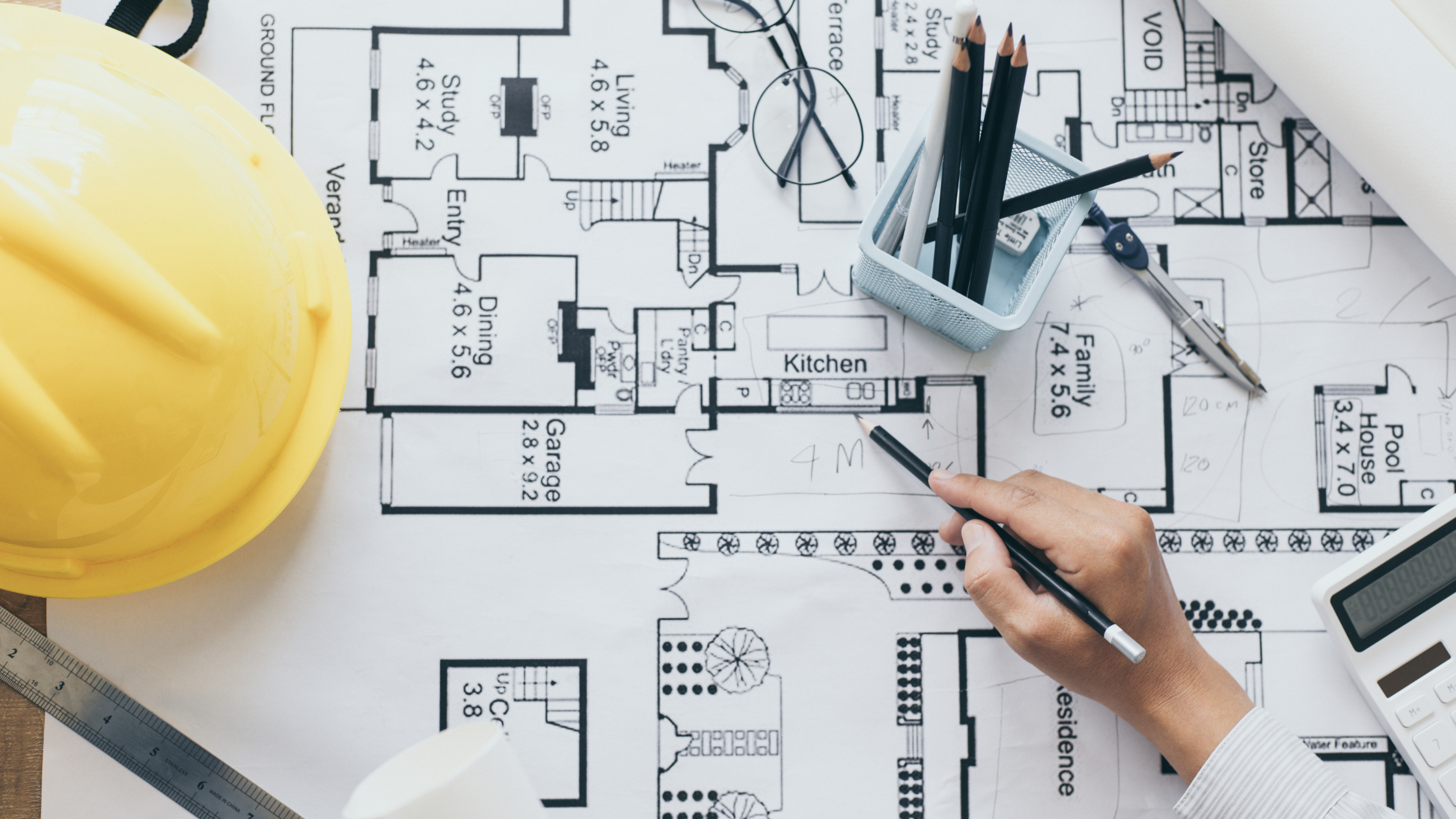
 

Planning Solar for Your New Construction Home

Building a new home is one of the most exciting investments you’ll ever make. For many homeowners, especially those designing a long-term or forever home, it’s also the perfect time to plan for solar energy.  

While there are significant advantages to planning for solar during the design and construction phase, there are also important considerations that homeowners should understand before moving forward.  

Here is a closer look at the benefits, challenges, and information needed to create an effective solar proposal for your new home. 

The Advantages of Planning for Solar During Construction 

Designing your home with solar in mind provides opportunities that simply aren’t available once construction is complete. 

Optimal Roof Orientation 

One of the biggest benefits of planning ahead is the ability to position your roof for maximum solar production. During the design phase, homeowners and builders can work together to ensure the roof faces the most advantageous direction for sunlight exposure. 

Ideal Roof Pitch and Tilt 

Solar panels perform best when installed at specific tilt angles. Building a home from the ground up allows you to select a roof pitch that supports efficient solar energy production while still complementing the home’s architectural style. 

Reduced Shading 

Trees, neighboring structures, and other obstructions can significantly impact solar production. Planning during construction allows homeowners to minimize future shade concerns and maximize available sunlight. 

Fewer Roof Obstructions 

Dormers, plumbing vents, chimneys, and skylights can reduce the usable roof space available for solar panels. During the design process, these features can be strategically located to preserve valuable solar installation areas. 

Coordinated Installation Planning 

When solar is considered early in the project, the builder and solar installer can coordinate conduit pathways and electrical infrastructure before walls and roofing materials are completed. This often creates a cleaner installation and reduces potential future construction costs. 


Challenges of Solar Design for New Construction Homes 

Although there are many benefits to planning ahead, new construction projects present several unique challenges that can impact solar system design. 

No Historical Energy Usage Data 

One of the most important factors in designing a solar system is understanding how much electricity a home consumes. Since new homes do not have utility bills or historical consumption records, designers must estimate future energy usage. 

While online calculators can provide projections, they often have limitations, particularly when estimating large energy loads such as heating and cooling systems.  

As a result, projected energy consumption remains an estimate.  

Utility Company Requirements  

The utility company serving the home plays a significant role in solar system design. 

Ohio has different types of utilities, including: 

  • Investor-owned utilities 
  • Municipal and public utilities 

Each has different requirements related to: 

  • Interconnection 
  • System sizing limits 

Many utilities allow solar systems to generate between 100% and 120% of a home’s annual electric consumption.  

Designing a system beyond those limits may get you penalized.  

Solar Array Size Depends on Available Roof Space 

The amount of solar that can be installed on a home depends heavily on the available roof area. 

To accurately design a rooftop solar array, our consultants need: 

  • Roof dimensions 
  • Architectural drawings 
  • Roof pitch information 

These details allow us to accurately model the system and provide realistic production estimates. 

Battery Backup Design Considerations 

Battery backup systems require a detailed understanding of the home’s electrical infrastructure. 

Because battery systems are designed around specific electrical loads and breaker configurations, key information often isn’t available until later stages of construction when electrical panels and circuits have been finalized. This can make battery system design more complex during the early planning phases. 

Construction Plans Can Change 

Construction projects rarely proceed exactly as originally designed. 

Changes in: 

  • Roof design 
  • Building layout 
  • Equipment placement 
  • Construction schedules 

can all impact the final solar system design. 

Extended construction delays can also affect project timelines and, in some cases, lead to changes in solar project costs if market conditions or equipment pricing shift significantly. 

What We Need to Build an Accurate Solar Proposal 

To provide a preliminary solar design and proposal for a new construction home, several pieces of information are required: 

Roof Information 

Please provide: 

  • A top-down view of the roof 
  • Locations of dormers, chimneys, plumbing vents, and skylights 
  • Roof measurements 
  • Roof pitch 
  • Roof type (asphalt shingles, standing seam metal, etc.) 

Directional Information 

We also need to know which roof section faces south, as southern exposure provides the strongest solar production in Ohio (and much of the United States). 

Builder Plans 

Architectural drawings and site plans help our design team evaluate available installation space and develop accurate renderings of the proposed solar array. 

Standard Solar System Options for New Construction Homes 

In most situations, solar systems are designed to offset approximately 100% to 120% of a home’s annual electricity usage. For new construction homes, however, many major appliances and electrical loads may not yet be installed at the time the solar system is being designed. 

Because of this uncertainty, many homeowners choose from 3 :standard system size” options.  

Our team can help evaluate your home’s size, anticipated energy demands, and future plans to recommend a solar solution that balances upfront investment with long-term energy production. 

Build for the Future 

If you’re building a new home and considering solar, gathering the right information early in the process will help us create an accurate design and provide recommendations that align with your energy goals for years to come. 

Ready to explore solar for your new construction home? Contact Kokosing Solar to discuss standard system options, pricing, and the information needed to begin designing your future-ready energy system. 


How Solar Can Inflation Proof Your Home or Business

How Solar Can Inflation-Proof Your Home or Business

News about inflation is unavoidable. Turn on the radio or open an article from any big media outlet and you will find headlines about inflation and rising electricity prices. Last month the federal government reported that consumer prices climbed 8.6% for 12 months ending in May.

Headlines like that can leave us feeling helpless. What can we do to prevent rising costs? What does this mean for my future? My family’s future? The future of my business?

If this news has you feeling down, take a moment to learn about how you can be proactive in the face of these changes. In this blog, we will look on the bright side and help you consider how solar energy can help inflation-proof your home or business – for decades to come.

As ratepayers continue to see electricity rates they’re paying increase, they are turning to solar energy to take control. If you’re considering going solar, one reason is that you are interested in saving money over time.

Solar is a great option for homeowners who are interested in making their monthly utility expenses more predictable and locking in their electric rates.

Determine Your Timeline

We know you’ve been thinking about solar for a while. Have you decided on a timeline for your installation?

When thinking about inflation and solar installation, developing a timeline is an important first step.

The sooner you go solar, the lower your costs for that solar installation will be.

You may remember headlines about solar prices falling for a long time. We’ve seen those dropping prices even out as solar PV technology became standard. We haven’t seen huge changes in the technological components of solar PV in some time, and that’s reflected in price stabilization.

Because, like all things, the material components for a solar energy installation are susceptible to the same supply chain issues, material and labor costs, and interest rates that are being seen across the board.

So, if you’re thinking about going solar, the sooner, the better.

Near Term Savings

After your solar system has been installed and switched on, you will see the immediate benefits of more predictable monthly bills.

And, as electricity costs in Ohio continue to rise, your near-term savings will increase too.

Long Term Savings

The sun has always been the most reliable source of energy.

When you go solar you purchase significantly less power from your public utility company. With these rates locked in, you can calculate your fixed costs for the next 25 years or more.

Electrify Your Home

As you get used to being a solar homeowner, you’ll start thinking about ways to increasingly use the solar energy you’re generating at your home.

Between investing in an electric vehicle to phasing out appliances to be all electric, you increase your return on investment in solar energy the more you use it!

Enjoy Peace of Mind with Solar Energy

As energy demand and costs increase, we predict an inevitable increase in the number of locally installed solar systems as homeowners and business owners turn to clean energy to generate their own power onsite.

In fact, we predict that individually owned solar systems – on the roof or ground-mounted – will become as commonplace as air conditioning in homes and businesses!

High electricity rates mean solar savings. As electric prices increase, so do the savings you benefit from when you produce your own power onsite.

When you install solar, you are not just generating clean energy. You are also replacing the cost of electricity that your solar energy replaces.

Take the next step to inflation-proof your home or business

What are minor adjustments to our current lifestyle that we can make to insulate our families from the creep of inflation? Installing a solar energy system at your home is an actionable step you can take to take control of future costs of energy right now.

Electric Bills on the Rise Again in Ohio

Electric Bills on the Rise Again in Ohio

Inflation is on our minds. As we see inflation creep into all corners of our lives – from prices at the grocery store to new car costs – we wonder how increased costs will affect our energy prices at home.

We can tell you one thing we have known here in the solar industry for a long time: Energy rates will continue to rise.

According to the latest data from the U.S. Energy Information Administration, electric power is up 8% nationwide from 2021 and 6% in Ohio. This rise is far beyond the 3% inflation rate we have historically modeled for our customers to help them understand how electricity rates impact their solar savings.

In this article, we will explain why electric costs are rising in Ohio and what you can do to insulate your family or your business from ongoing energy inflation.

Why are Electric Bills on the Rise in Ohio?

Several factors are driving this upward curve.

War

The most immediate reason for the price jump in electricity rates is the war in Ukraine. Natural gas (which is burned to make electricity) accounts for 40% of the electricity supply in the U.S. Due to disrupted supply patterns between Russia and Western countries, costs are up worldwide.

Climate Change

Costly upgrades by electricity suppliers are needed to modernize the electrical grid. Hardening the electrical grid for natural disasters in the face of climate change is part of that modernization that is becoming increasingly difficult to put off.

The winter storm in Texas in 2021 that left many without power for weeks, is an example of the vulnerabilities that utility grids across the nation will face in the future.

As natural disasters become more common, utility providers must improve their infrastructure.

Add in increased supply chain costs that we’re all facing, and we know that these improvements will be costly for utility companies. The cost of utility grid upgrades inevitably trickles back to ratepayers in the form of rate increases.

According to the New York Times: “U.S. utilities could spend hundreds of billions of dollars in the coming years to repair and upgrade grids.” (https://www.nytimes.com/2021/10/28/business/energy-environment/electric-grid-overload-solar-ev.html)

Oil Production

You may remember when, at the beginning of 2020, oil production came to a screeching halt when nationwide stay-at-home orders took effect. Oil production has yet to return to pre-pandemic levels of production.

Following this disruption, some refineries opted not to re-open. The lack of supply is driving fuel prices for electricity up further.

All these factors add up to energy bills going up.

As a result of the increases, we see a strain on our budgets. We see that strain at the pump, in grocery stores, and our monthly energy statements.

What fuel source makes up my energy mix?

The E.I.A. is required to report on the utility makeup and prices for homes, businesses, and organizations across the nation. Our government uses these reports to help them make decisions about energy policy. You can track which energy is being produced and used in your state here: https://www.eia.gov/state/?sid=US


The Future is Clean Energy

Saving potential with solar will climb! When we look into the future, we know that conventional electricity will only become more costly to consumers due to supply shortages, grid upgrades, and natural disasters.

You have the option to take control of your own power at home and/or your business through solar.

Why wouldn’t you choose solar when you have the power to make your own energy and lock in your rates?

Third Sun Kokosing Solar Donates Solar Panels to Learning Community

TO: All media

LOCATION: Solid Ground School, Millfield, Ohio

CONTACT: Geoff Greenfield, Director of Solar Strategy, [email protected], 740.707.4720

THIRD SUN KOKOSING SOLAR DONATES SOLAR PANELS TO LEARNING COMMUNITY

The solar array installation at the progressive learning community in southeastern Ohio will reduce the facility’s carbon footprint, minimize facility expenses and expand educational opportunities.

LOCATION – A new solar panel installation at the Solid Ground School will help the non-profit save money, reduce its carbon footprint, and serve more students across the southeastern Ohio region.

Third Sun Kokosing Solar (TSKS) donated the solar panels. The rest of the installation was made possible through the fundraising efforts of Solid Ground School leadership.

“Solid Ground Farm is dedicated to growing a sustainable future and to providing the best example we can for the many children that visit the school and camp. We are excited to work with TSKS to become local energy producers and to show youth that the sun not only grows gardens and powers ecosystems but also, thanks to human ingenuity, can generate the electricity that we use every day,” says Weston Lombard, Nature and Entrepreneurship Teacher.

The addition of the 28 rooftop solar panels will allow the school to reduce its contribution to greenhouse gas and carbon emissions over time while also saving money it would have otherwise spent on energy costs for essential initiatives. The 8.4 kW solar array is expected to offset the facility’s annual energy costs by 98 percent and offset a yearly equivalent of 120 metric tons of CO2. Over the lifetime of the solar array, TSKS estimates the non-profit will save over $40,000 in avoided electricity expenses.

“Solid Ground School is a fantastic example of how a school can help students and the community appreciate and connect with this amazing planet,” says Geoff Greenfield, Director of Solar Strategy for Third Sun Kokosing Solar. “We are more than pleased that these solar modules will become part of the program and hope that the children and families that learn how it works will take those lessons out into the world to accelerate the shift to clean energy.”

About Third Sun Kokosing Solar

Third Sun Kokosing Solar has been designing, building, and financing clean energy solutions for commercial clients across the Midwest since 2000. We bring more than 22 years of solar installation experience as Ohio’s longest-standing full-service solar installer. In 2022 we became Third Sun Kokosing Solar and are strengthened by the 71 years of experience of Kokosing, Inc., one of the largest family-owned construction companies in the Midwest and Mid-Atlantic. We serve residential and commercial clients in Cleveland, Cincinnati, Columbus and beyond. We are a fully insured and licensed Electrical Contractor with highly trained NABCEP certified installers committed to delivering safe high-performance systems with top-notch customer service.

About Solid Ground School

Solid Ground School is a place-based, progressive learning community where children, families, and educators can grow deep. We believe that when individuals are actively engaged in their learning, supported in critical thinking and community building, and rooted in the natural world, they flourish and become conscientious, creative problem solvers able to face the challenges of an uncertain future. Solid Ground School is 501c3 non-profit elementary school program that empowers children and families to be the creators of their own education.

2023 USDA REAP Grant – Eligibility, Application Requirements, Deadlines & More

Business owners and farmers alike are looking to solar to improve their operations.   

Solar makes a lot of sense for the agriculture and business sector.   

Over our 21+ years in solar construction, we’ve helped farmers turn unused rooftops and unproductive ground into long-term assets. We’ve helped businesses gain control over the volatile and rising cost of electricity. We’ve worked with farms and businesses alike to transform IRS Tax Payments into profitable infrastructure investments.  

We know that a solar investment IS a significant financial investment. For business owners, incentives like the Solar Investment Tax Credit paired with electricity savings make the upfront investment attractive.   

The USDA REAP Grant is one extra incentive that agricultural producers and rural business owners can use to finance their clean energy investment. The grant can cover up to 50% of the total cost of your solar installation.   (Updated Feb. 2023, this amount was increased in 2023 from 25% to 50%) 

When it’s time to plan the financing for your project, we bring in our specialists to write the USDA REAP grant. We work closely with you and the grant writers to turn around a high-quality grant application with fantastic odds.  

This blog will share the eligibility, application, and deadline requirements for the USDA REAP grant.    

And, when you’re ready to start planning a solar project for your rural business or agricultural operation, you’ll know if this is an incentive you’re eligible to take advantage of.   

What is a REAP Grant?

Otherwise known as the Rural Energy for America Program, the USDA REAP Grant provides funding and loan financing to eligible rural small businesses and agricultural producers.

Agricultural operations and rural businesses can use the money to implement renewable energy systems or make energy efficiency improvements.

The USDA instituted the program to increase energy independence in the U.S., decrease the energy needs for rural agricultural producers and businesses, while also generating a higher supply of clean energy.

Who Qualifies for REAP Grants?

Agricultural producers who make at least 50% of their gross income from agricultural operations can apply for the REAP Grant. Additionally, 51% of the electricity used must go towards farm operations.  

Residential properties adjacent to the agricultural operation do not count toward the 51%.   

For-profit rural businesses qualify for the REAP Grant. A rural location is defined as an area with 50,000 residents or less. Check your eligibility with your business address here. (https://eligibility.sc.egov.usda.gov/eligibility/welcomeAction.do?pageAction=ONERD)   

REAP Grant Rounds

Grants are accepted on a rolling basis with review dates quarterly: on June 30th, September 30th, October 31st and March 31st annually. The USDA’s fiscal year begins on October 1st, so October marks the opening season for grant applications in a given year.   

What are the grant terms?  

For Solar Energy Installation Grants:  

  • $2,500 minimum  
  • $1,000,000 maximum  ( Updated Feb. 2023, this amount was increased in 2023 from $500,000 to $1,000,000) 

Remember, the grant can cover up to 50 % of the total solar installation cost. So, an $80,000 solar installation project would request $40,000 in grant funding.    (Updated Feb. 2023, this amount was increased in 2023 from 25% to 50%) 

  • Projects that cost more than $200,000 must have a technical report completed before beginning installation.   
  • Once submitted, you can begin construction on your solar installation; however, there is no guarantee that you will be awarded the grant.   
  • Suppose the project is not awarded after the final round in the spring. In that case, an applicant can choose to submit a new application for the following USDA fiscal year, but only if they have not started construction or made significant payments at the time of re-submission. 

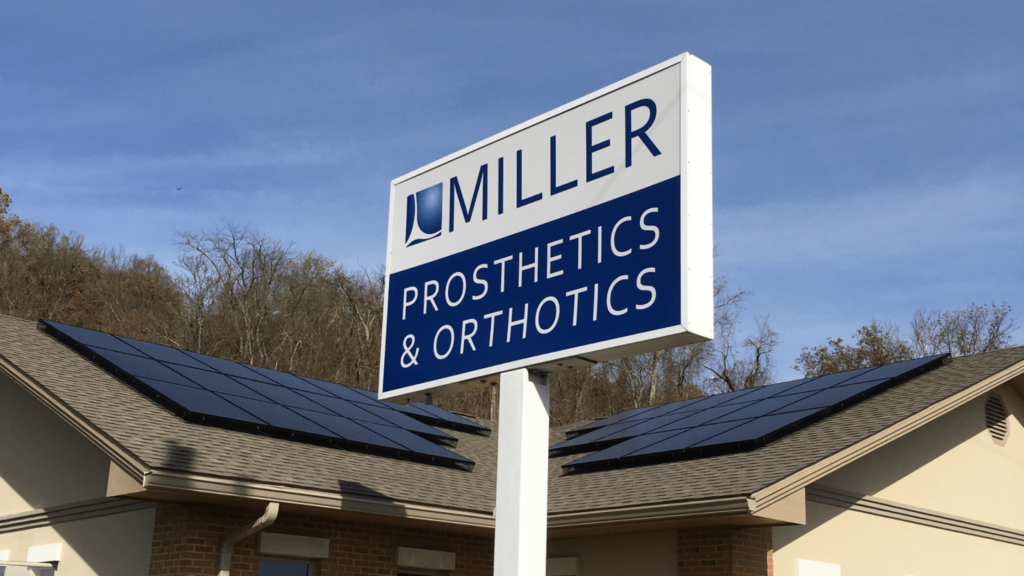
Example Customer – Miller Prosthetics and Orthotics 

Project Overview

“Since our installation, we have had several comments from our patients, employees, and community members on how they like our new solar panels…” – Nancy Miller, CEO, and co-owner of Miller Prosthetics & Orthotics.  

This representative project reflects 2020 REAP benefits, which increased in 2023. 

  • Location – Belpre, Ohio
  • Customer Type – Rural Business
  • System Size – 14.2 kW
  • Panel Type – 330 REC Twin Peak Mono Black
  • Mounting Method – Roof mounted
  • Inverter Type – SolarEdge
  • Monitoring – Inverter based internet monitoring included
  • Annual Energy Production (kWh) – 20,471 kWh
  • Percentage of annual electricity demands – 99%
  • Carbon offsets per year (lbs.) – 28,000
  • Carbon offsets over 30 years – 840,000
  • Solar PV System Cost – $34,892
  • USDA REAP Grant – $-8,723
  • Federal Tax Credit – $-9,072
  • Federal -100% Bonus Depreciation – $-9,107
  • Total Net Solar PV System Cost – $7,990

Are you a rural business or agricultural operation who would like to apply for a USDA REAP grant this year? If so, reach out now to get the process started!  

Inflation Reduction Act 2022 and Residential Solar Energy

What does the Inflation Reduction Act 2022 mean for Residential Solar Energy?

Have you heard the news? No need to wait until 2023 to go solar!

Over the weekend, the Inflation Reduction Act (IRA) was passed and today (August 16, 2022) signed into law!

What does this mean for clean energy improvements at your home? One of the biggest benefits in the IRA is the tax benefits for solar.

All solar installations completed in 2022 and for the following decade will be eligible for the Solar Investment tax credit at the full 30% rate! The same incentive also applies to storage.

But don’t wait! Here’s why it makes sense to go solar now:

  1. The best Solar Products are available now
  2. Lock in your payback period
  3. Take advantage of the 30% Tax Credit

Going solar in 2022 means that for many years down the road, you’ll be sitting back, reaping the rewards of your foresight.

Will 2022 be the year you go solar?

For an updated solar proposal, fill out the form below to get started!

Get Started

"*" indicates required fields

This field is for validation purposes and should be left unchanged.
Name*
Address
This field is hidden when viewing the form

Get Started

"*" indicates required fields

Name*
Address*