
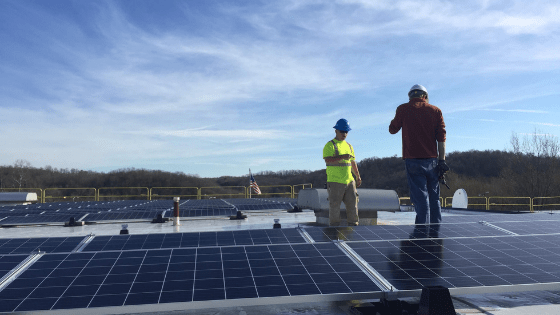
How is Athens County leading the way in Ohio? In solar workforce development! Employing former coal miners as solar installers has been an added benefit to situating our solar business in Appalachian Ohio. Read more here.
Author: Kokosing Solar
New Resource Solutions Listed as a “Best for the World: Environment” Honoree
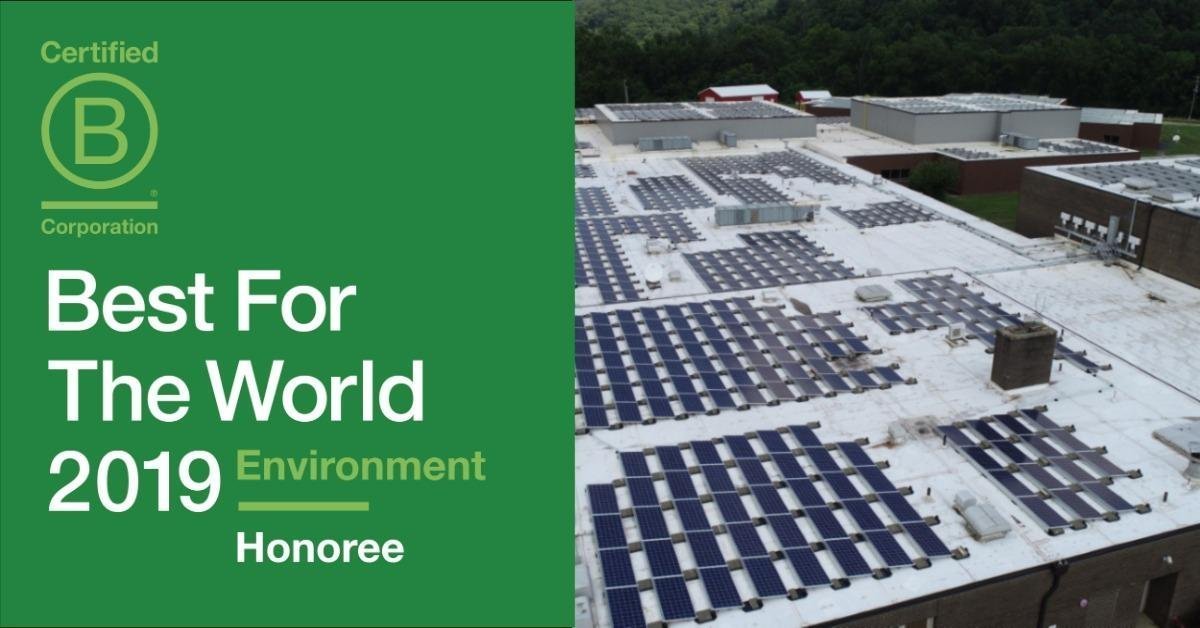
New Resource Solutions recognized as a “Best For The World” B Corp for sustainability and environmental excellence
Third Sun Solar Co-Founder, Geoff Greenfield is a Co-Founder and Board Member of New Resource Solutions– a platform developed to efficiently connect clean energy projects with clean energy investors.

Athens, Ohio; September 4, 2019 – New Resource Solutions (“NRS”), a Certified B Corp, has been named a Best For The World honoree in recognition of their environmental performance and sustainable business practices. Ranking in the top 10% of all B Corps for their environmental and social responsibility, New Resource Solutions earned this honor through the Company’s tireless efforts to unlock affordable solar power for schools, municipalities, nonprofits and businesses unable to “go solar” through more traditional cash transactions.
“New Resource Solutions is democratizing solar across the United States,” says Marc Palmer, Managing Director for NRS. “Our business model promotes local development and jobs, bringing non-extractive investment capital into local economies. Local companies are essential to the proliferation of commercial-scale solar. We are grateful to be a Best For the World honoree and couldn’t have done this without our enthusiastic installer and investor partners.”
Best For The World recognition is administered by B Lab, the global nonprofit that certifies and supports Certified B Corporations, which are for-profit companies dedicated to using business as a force for good. Today there are 3,000 Certified B Corporations across 64 countries and 150 industries, unified by one common goal: to redefine success in business.
B Corps meet the highest standards of verified social and environmental performance, public transparency, and legal accountability to balance profit and purpose. B Corp Certification doesn’t just evaluate a product or service, it assesses the overall positive impact of the company that stands behind it—like New Resource Solutions. Using the B Impact Assessment, B Lab evaluates how a company’s operations and business model impact its workers, community, environment, and customers. To achieve the B Corp Certification, a company must achieve a score of at least 80 points on the assessment.
“We’re incredibly proud of this year’s Best For The World honorees,” says Anthea Kelsick, Chief Marketing Officer of B Lab. “These inspiring companies represent the kinds of business models and impact-driven business strategies that are building a new economy—one that is inclusive, regenerative, and delivers value to all stakeholders, not just shareholders. To that end, B Corps like New Resource Solutions are redefining capitalism and showing that it actually can work for everyone.”
1,000 B Corps from 44 countries were named to the 2019 Best For The World lists, including Patagonia, Beautycounter, Dr. Bronner’s, TOMS, Seventh Generation, and Greyston Bakery. The 2019 Best For The World honorees are determined based on the verified B Impact Assessments of Certified B Corporations. The full lists are available on https://bcorporation.net/.
****
About New Resource Solutions:
New Resource Solutions (“NRS”) is disrupting the commercial solar market across the US. It solves the pain points of third-party ownership, or “PPAs”, for anchor community entities like schools, municipalities, nonprofits, and private companies by efficiently connecting trusted local solar installers with solar project investors. While most companies are only looking to do larger deals, NRS makes the medium and small ones financially attractive for all parties involved.
Contact: Marc Palmer; Managing Director
[email protected]; 937-541-1121
About B Lab:
B Lab is a nonprofit that serves a global movement of people using business as a force for good. B Lab’s initiatives include B Corp Certification, administration of the B Impact Management programs and software, and advocacy for governance structures like the benefit corporation. B Lab’s vision is of an inclusive and sustainable economy that creates a shared prosperity for all. To date, there are 3,000 Certified B Corps in over 150 industries and 64 countries, and over 50,000 companies use the B Impact Assessment. For more information, visit https://bcorporation.net/
B Lab Contact: Hannah Munger; Manager, PR & Communications; [email protected]; +1 212-608-4150
All Your Home Orientation, Roof Slop & Shade Questions Answered
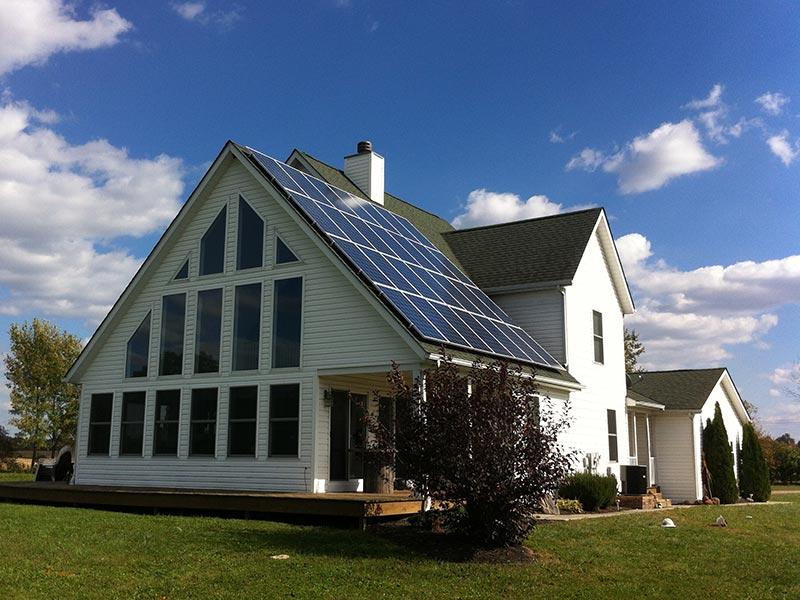
When we design your solar energy system, First, we use satellite imagery and your electric bill to give you an initial review of your solar potential.
We discuss system sizes, locations, and costs. We review all system plans with you before installing, connecting, and commissioning your solar electric. Here are some guidelines to help you determine whether solar can work well for you:
Orientation
South-facing is best. Either the front or back of the house faces directly south. South-east facing can also work well, either the front or back of the house. South-west facing can also work well, either the front or back of the house.
A house facing east-west can also work—panels on the east side will get morning sunlight, those on the west will get afternoon sunlight.
Shade
- A Completely un-shaded house is best. Sunlight covers the roof all day.
- A lightly-shaded house can work for solar — we can position the solar panels to avoid shade. Module level optimizers prevent the old problem of losing the output of an entire string of panels when one module gets shaded. However, shade is still an important factor in good solar design.
- A heavily-shaded house will not work for rooftop solar—but, give the amount of available space, we can do a ground-mounted system in that case.
Roof Slope & Shape
- On a flat roof, solar panels can be easily mounted on ballasted racks that tilt them toward the sun.
- A 30-degree roof pitch is ideal. We can flush-mount the solar panels for best sun exposure.
- A 15-degree pitch works well. Our racking can tilt the solar panels slightly steeper to get the best sun exposure.
- Complex roof lines can also work well, depending upon the size and orientation of the different roof facets.
Energy Offset
A properly-sized solar electric system is a function of 3 factors: How much energy do you typically use? How much available space do you have? What is your budget?
A good solar installer will have system designers & solar consultants who will optimize these variables find the “sweet spot” for your system—the best size for your available electric needs, space and budget.
By right-sizing your system, a good installer will shorten your payback period.
- How much energy you use – your home’s energy consumption tell us the maximum limit of how much solar energy you will need to power your home. This is why many installers request an electric bill with your homes annual usage to create a solar estimate.
- How much space you have – How much space do you have on your roof or on the ground for solar? We look for space that is free from shade, is free from roof obstructions and is not facing northward.
- Your budget – How much do you plan to spend on solar? Do you want premium solar panels or our more cost-effective option?
All Your Home Orientation, Roof Slop & Shade Questions Answered
When we design your solar energy system, First, we use satellite imagery and your electric bill to give you an initial review of your solar potential.
We discuss system sizes, locations, and costs. We review all system plans with you before installing, connecting, and commissioning your solar electric. Here are some guidelines to help you determine whether solar can work well for you:
Orientation
South-facing is best. Either the front or back of the house faces directly south. South-east facing can also work well, either the front or back of the house. South-west facing can also work well, either the front or back of the house.
A house facing east-west can also work—panels on the east side will get morning sunlight, those on the west will get afternoon sunlight.
[av_gallery ids=’4118,4121,4120′ style=’thumbnails’ preview_size=’portfolio’ crop_big_preview_thumbnail=’avia-gallery-big-crop-thumb’ thumb_size=’portfolio’ columns=’3′ imagelink=’lightbox’ lazyload=’avia_lazyload’ av_uid=’av-ete19′ admin_preview_bg=”]
Shade
- A Completely un-shaded house is best. Sunlight covers the roof all day.
- A lightly-shaded house can work for solar — we can position the solar panels to avoid shade. Module level optimizers prevent the old problem of losing the output of an entire string of panels when one module gets shaded. However, shade is still an important factor in good solar design.
- A heavily-shaded house will not work for rooftop solar—but, give the amount of available space, we can do a ground-mounted system in that case.
[av_gallery ids=’4164,4160,4161′ style=’thumbnails’ preview_size=’portfolio’ crop_big_preview_thumbnail=’avia-gallery-big-crop-thumb’ thumb_size=’portfolio’ columns=’3′ imagelink=’lightbox’ lazyload=’avia_lazyload’ av_uid=’av-2yhabx’ admin_preview_bg=”]
Roof Slope & Shape
- On a flat roof, solar panels can be easily mounted on ballasted racks that tilt them toward the sun.
- A 30-degree roof pitch is ideal. We can flush-mount the solar panels for best sun exposure.
- A 15-degree pitch works well. Our racking can tilt the solar panels slightly steeper to get the best sun exposure.
- Complex roof lines can also work well, depending upon the size and orientation of the different roof facets.
Energy Offset
A properly-sized solar electric system is a function of 3 factors: How much energy do you typically use? How much available space do you have? What is your budget?
A good solar installer will have system designers & solar consultants who will optimize these variables find the “sweet spot” for your system—the best size for your available electric needs, space and budget.
By right-sizing your system, a good installer will shorten your payback period.
- How much energy you use – your home’s energy consumption tell us the maximum limit of how much solar energy you will need to power your home. This is why many installers request an electric bill with your homes annual usage to create a solar estimate.
- How much space you have – How much space do you have on your roof or on the ground for solar? We look for space that is free from shade, is free from roof obstructions and is not facing northward.
- Your budget – How much do you plan to spend on solar? Do you want premium solar panels or our more cost-effective option?
How Ohio’s House Bill 6 Impacts Residential Solar
Summary
On July 23rd 2019, The Ohio House of Representatives approved and Governor Mike DeWine signed House Bill 6, legislation to subsidize two failing nuclear power plants and reduce Ohio’s Renewable Portfolio Standards.
House Bill 6 in Ohio does the following:
- Through rate-payer charges, $150 million per year will go to fund two failing FirstEnergy nuclear power plants
- $50 million a year will go to fund two aging coal-fired power plants
- Lowers the states Renewable Portfolio Standards, the mandated percentage of renewable energy utilities provide to rate-payers, from 12.5% to 8.5% by 2026
- Eliminates mandates for solar specific energy purchasing, or SRECs, from 2020 onward
House Bill 6 does not represent the end for residential solar – not by a long shot. What Ohio’s House Bill 6 means for solar homeowners, is that the price of Solar Renewable Energy Credits in Ohio will drop. For the most part, the fluctuating, often already low prices of SRECs do not affect the economics of our customer’s solar projects.
Additionally, HB6 indicates that there will be no state incentives for solar in the foreseeable future. Incentives would have boosted the market for solar and made renewable energy more accessible in Ohio. But Ohioans have been without any robust solar incentives for many years now, and the economics of installing solar have gotten better during this time because of the naturally declining price of solar modules and equipment.
History
In 2008 Ohio passed a law (SB 221) that, among other things, requires the four investor owned utilities to add solar to their energy mix, at an increasing rate each year. The law also addressed wind and other renewables but called out a special category for solar. It established a financial penalty for the utility for any shortfall (called the ACP, or alternative compliance payment), and various rules of the policy. Ohio is one of 24 states with Renewable Portfolio Standards (RPS), all of them different, and controlled at the state level.
Ohio has seen this mechanism be an effective and flexible way to spur solar development in the state. The utilities have built their own solar plants to achieve these annual benchmarks, or they meet all or part of their obligations by encouraging the private development of solar projects through the purchase of Solar Renewable Energy Credits (SRECs) from the owners of the solar projects. An SREC is simply the intangible “green energy attributes” associated with 1,000 kWh of solar power. The law allows the purchase of SRECs from projects in contiguous states as well. There is no obligation for homeowners and private solar projects to sell SRECs, but they can sell them to the utility or private buyer (aggregator, traders or other middlemen) with the best price and terms.
What are SRECs?
Solar Renewable Energy Credits are annual credits for the clean electricity produced by your solar PV system. For every one megawatt-hour of electricity produced by your system each year (one megawatt-hour is equal to 1,000 kilowatt hours of solar) one SREC is created. A general rule of thumb in Ohio is 1kW of solar capacity will produce approximately 1 SREC per year. Therefore, a 5kW solar PV system will produce about 5 SRECs per year and a 10kW system will produce about 10 SRECs per year.
What gives SRECs their value?
The state governments Renewable Portfolio Standards (RPS) create the market for SRECs. These are shaped by both federal and state policy. These policies aim to reduce the reliance on fossil fuels and carbon emissions that are contributing to global climate change.
At a state level, SB 221 created the Renewable Portfolio Standards in Ohio. Another example of policy that shapes states renewable energy standards is the 2015 Clean Power Plan. This federal legislation required states to meet specific standards with respect to reduction of carbon dioxide emissions. This federal legislation informed Ohio’s goals and bolstered the case for the 2008 plan.
In Conclusion…
The state government can create the market for solar incentives. In Ohio this has been done by a special carve out for solar in the form of Solar Renewable Energy Credits (SRECs) in the Renewable Portfolio Standards. With the elimination of the special carve out for solar, House Bill 6 will keep the pricing for SRECs low. But this doesn’t move the needle too much. Individuals who are thinking about going solar will not be greatly affected by this change in policy.
While HB6 does not pose a threat to residential solar homeowners, the state of the Renewable Energy Standards in Ohio is something to pay attention to. Renewable energy is a growing sector, as of 2018 employing 112,486 Ohioans, and with job growth 12 times as fast as the rest of the US economy. There is great economic opportunity presented by renewable energy and energy efficiency. House Bill 6 is a setback for the clean energy economy and the jobs that are created for Ohioans in this industry.
According to the Midwest Energy Efficiency Alliance, from 2009-2017 the Renewable Energy Standards established in SB 221 have created $5.1 billion in energy bill savings for customers. Additionally, Ohio’s energy efficiency programs have saved Ohioans 49 MWh for electricity, enough to power every home in Ohio for 10.5 months. Losing these benefits will cost consumers money, but if homeowners install a solar power system on their home, they will be able to save even more than they have lost.
At Third Sun Solar our mission is to accelerate the shift to clean energy. We are advocates for strong renewable energy standards that keep the market for renewable energy flourishing. We will continue to advocate for strong renewable energy standards and educate our customers about their importance as we go about our daily business installing solar on homes and businesses across Ohio & beyond.
How Ohio’s House Bill 6 Impacts Residential Solar
Summary
On July 23rd 2019, The Ohio House of Representatives approved and Governor Mike DeWine signed House Bill 6, legislation to subsidize two failing nuclear power plants and reduce Ohio’s Renewable Portfolio Standards.
House Bill 6 in Ohio does the following:
- Through rate-payer charges, $150 million per year will go to fund two failing FirstEnergy nuclear power plants
- $50 million a year will go to fund two aging coal-fired power plants
- Lowers the states Renewable Portfolio Standards, the mandated percentage of renewable energy utilities provide to rate-payers, from 12.5% to 8.5% by 2026
- Eliminates mandates for solar specific energy purchasing, or SRECs, from 2020 onward
House Bill 6 does not represent the end for residential solar – not by a long shot. What Ohio’s House Bill 6 means for solar homeowners, is that the price of Solar Renewable Energy Credits in Ohio will drop. For the most part, the fluctuating, often already low prices of SRECs do not affect the economics of our customer’s solar projects.
Additionally, HB6 indicates that there will be no state incentives for solar in the foreseeable future. Incentives would have boosted the market for solar and made renewable energy more accessible in Ohio. But Ohioans have been without any robust solar incentives for many years now, and the economics of installing solar have gotten better during this time because of the naturally declining price of solar modules and equipment.
History
In 2008 Ohio passed a law (SB 221) that, among other things, requires the four investor owned utilities to add solar to their energy mix, at an increasing rate each year. The law also addressed wind and other renewables but called out a special category for solar. It established a financial penalty for the utility for any shortfall (called the ACP, or alternative compliance payment), and various rules of the policy. Ohio is one of 24 states with Renewable Portfolio Standards (RPS), all of them different, and controlled at the state level.
Ohio has seen this mechanism be an effective and flexible way to spur solar development in the state. The utilities have built their own solar plants to achieve these annual benchmarks, or they meet all or part of their obligations by encouraging the private development of solar projects through the purchase of Solar Renewable Energy Credits (SRECs) from the owners of the solar projects. An SREC is simply the intangible “green energy attributes” associated with 1,000 kWh of solar power. The law allows the purchase of SRECs from projects in contiguous states as well. There is no obligation for homeowners and private solar projects to sell SRECs, but they can sell them to the utility or private buyer (aggregator, traders or other middlemen) with the best price and terms.
What are SRECs?
Solar Renewable Energy Credits are annual credits for the clean electricity produced by your solar PV system. For every one megawatt-hour of electricity produced by your system each year (one megawatt-hour is equal to 1,000 kilowatt hours of solar) one SREC is created. A general rule of thumb in Ohio is 1kW of solar capacity will produce approximately 1 SREC per year. Therefore, a 5kW solar PV system will produce about 5 SRECs per year and a 10kW system will produce about 10 SRECs per year.
What gives SRECs their value?
The state governments Renewable Portfolio Standards (RPS) create the market for SRECs. These are shaped by both federal and state policy. These policies aim to reduce the reliance on fossil fuels and carbon emissions that are contributing to global climate change.
At a state level, SB 221 created the Renewable Portfolio Standards in Ohio. Another example of policy that shapes states renewable energy standards is the 2015 Clean Power Plan. This federal legislation required states to meet specific standards with respect to reduction of carbon dioxide emissions. This federal legislation informed Ohio’s goals and bolstered the case for the 2008 plan.
In Conclusion…
The state government can create the market for solar incentives. In Ohio this has been done by a special carve out for solar in the form of Solar Renewable Energy Credits (SRECs) in the Renewable Portfolio Standards. With the elimination of the special carve out for solar, House Bill 6 will keep the pricing for SRECs low. But this doesn’t move the needle too much. Individuals who are thinking about going solar will not be greatly affected by this change in policy.
While HB6 does not pose a threat to residential solar homeowners, the state of the Renewable Energy Standards in Ohio is something to pay attention to. Renewable energy is a growing sector, as of 2018 employing 112,486 Ohioans, and with job growth 12 times as fast as the rest of the US economy. There is great economic opportunity presented by renewable energy and energy efficiency. House Bill 6 is a setback for the clean energy economy and the jobs that are created for Ohioans in this industry.
According to the Midwest Energy Efficiency Alliance, from 2009-2017 the Renewable Energy Standards established in SB 221 have created $5.1 billion in energy bill savings for customers. Additionally, Ohio’s energy efficiency programs have saved Ohioans 49 MWh for electricity, enough to power every home in Ohio for 10.5 months. Losing these benefits will cost consumers money, but if homeowners install a solar power system on their home, they will be able to save even more than they have lost.
At Third Sun Solar our mission is to accelerate the shift to clean energy. We are advocates for strong renewable energy standards that keep the market for renewable energy flourishing. We will continue to advocate for strong renewable energy standards and educate our customers about their importance as we go about our daily business installing solar on homes and businesses across Ohio & beyond.
Unpredictable Utility Bills Make Budgeting Hard
Does it feel like your electric bill gets higher every year? Does it feel like your electric bill changes every month and is unpredictable? You aren’t the only one! We talk to homeowners every day who are experiencing the same problem.
You wonder: Why do my electric bills increase? What can I do to stop them from increasing? Read on to learn about how solar provides a solution to fluctuating energy costs.
Energy Costs on the Rise
Residential solar energy systems are gaining momentum quickly. According to the Solar Energy Industries Association (SEIA), as of 2019, the United States has 2 million solar installations. This reflects major growth in the solar sector in the U.S., which just 3 years ago reached 1 million solar installations.
What is fueling the demand?
As you know, electricity prices have been on the rise over time. Each state has seen this increase with price rises that are felt by homeowners. Monthly, these prices rise and fall– which means that your utility bill is pretty unpredictable. Even if you use the same amount of electricity every month, you can’t predict what your electricity bill will be. When you add in seasonal variables that are also unpredictable (heat waves in the summer, cold spells in the winter), it’s almost impossible to predict what your energy consumption during these months will be.
Fluctuating energy prices and weather conditions can have a dramatic influence on monthly energy bills.

What is the cause of fluctuating energy rates? There are many factors but here are a couple:
- The Rise of Natural Gas – in recent years, natural gas has become the new go-to fossil fuel for energy production. Between changes in extraction methods to stored reserves and demand, natural Gas fluctuates in price more than coal and nuclear power.
- Coal & Nuclear Plants Closing – with the rise in natural gas production, coal and nuclear power are on the decline. This adds to the instability in the energy market and leads to higher and more unstable rates.

Budgeting for Stability
Solar helps you budget for stability by controlling a portion of the electric spend with known costs.
Solar can help by reducing this variability in pricing that you see month to month. If you choose to finance your solar system and pay it off over time, your monthly solar bill will be fixed. You’ll have your loan locked in at the same monthly payment. So your utility payments, more or less, will be at frozen rates for the next 5-20 years.
How will solar effect my monthly bill payments?
When you go solar, the number to kilowatt-hours you purchase monthly from the utility goes down. This is accounted for through a process called net metering. Every month you are only billed for the amount of energy you have used in excess of what your solar panels have produced. If you’ve over produced, you are credited for this excess generation. This credit will be applied to future bills in months when you use more energy then you have made.
Your energy charge- or killowat hours consumed- is often the largest part of your bill. Other line items on your bill, such as the “delivery service charge” which is the fee the utility charges of the use of their grid will also be impacted by how much solar you generate.
Some Math…
Lets imagine your home uses 1,000 kWh per month. If your solar system generates 800 kWh per month, you’ll be left with 200 kWh that you’re paying the utility for. So you will still see rate increases, but only on that 200 kWh that you’re still getting from the utility. The other 800 kWh are free, after the cost of the system itself. 10 years from now you’ll still be getting that 800 kWh for the fixed cost of your solar energy system, no rate hikes. You will certainly be paying more for that 200 kWh of utility power that you use, but again, paying an increased % on 200 is much better than the full 1,000 kWh. Additionally, the money you will have saved by avoiding these increases will have paid for the panels themselves… and then some.
What Can We Do?
All in all, you will be paying substantially higher rates for energy in the next ten years. The more control you have over your power supply, the more you control your electric bills.
Conservation is important: turn the lights off, keep the AC and furnace at a reasonable temperature, run full loads of laundry. We talk with customer who are taking these steps but not seeing results. Why? Because of the described fluctuations in electric rates. Utility rates will continue to rise and at home energy conservation measures won’t be enough to keep your bill steady.
Solar energy is a solution to unpredictable and rising energy rates.
Give us a call today to talk to a knowledgeable Solar Consultant. They’ll explain how much you pay for energy now and how much you’ll be paying for energy in the future- if you do and if you don’t go solar. Fill out your information here to speak with a Solar Consultant.
Unpredictable Utility Bills Make Budgeting Hard
Does it feel like your electric bill gets higher every year? Does it feel like your electric bill changes every month and is unpredictable? You aren’t the only one! We talk to homeowners every day who are experiencing the same problem.
You wonder: Why do my electric bills increase? What can I do to stop them from increasing? Read on to learn about how solar provides a solution to fluctuating energy costs.
Energy Costs on the Rise
Residential solar energy systems are gaining momentum quickly. According to the Solar Energy Industries Association (SEIA), as of 2019, the United States has 2 million solar installations. This reflects major growth in the solar sector in the U.S., which just 3 years ago reached 1 million solar installations.
What is fueling the demand?
As you know, electricity prices have been on the rise over time. Each state has seen this increase with price rises that are felt by homeowners. Monthly, these prices rise and fall– which means that your utility bill is pretty unpredictable. Even if you use the same amount of electricity every month, you can’t predict what your electricity bill will be. When you add in seasonal variables that are also unpredictable (heat waves in the summer, cold spells in the winter), it’s almost impossible to predict what your energy consumption during these months will be.
Fluctuating energy prices and weather conditions can have a dramatic influence on monthly energy bills.

What is the cause of fluctuating energy rates? There are many factors but here are a couple:
- The Rise of Natural Gas – in recent years, natural gas has become the new go-to fossil fuel for energy production. Between changes in extraction methods to stored reserves and demand, natural Gas fluctuates in price more than coal and nuclear power.
- Coal & Nuclear Plants Closing – with the rise in natural gas production, coal and nuclear power are on the decline. This adds to the instability in the energy market and leads to higher and more unstable rates.

Budgeting for Stability
Solar helps you budget for stability by controlling a portion of the electric spend with known costs.
Solar can help by reducing this variability in pricing that you see month to month. If you choose to finance your solar system and pay it off over time, your monthly solar bill will be fixed. You’ll have your loan locked in at the same monthly payment. So your utility payments, more or less, will be at frozen rates for the next 5-20 years.
How will solar effect my monthly bill payments?
When you go solar, the number to kilowatt-hours you purchase monthly from the utility goes down. This is accounted for through a process called net metering. Every month you are only billed for the amount of energy you have used in excess of what your solar panels have produced. If you’ve over produced, you are credited for this excess generation. This credit will be applied to future bills in months when you use more energy then you have made.
Your energy charge- or killowat hours consumed- is often the largest part of your bill. Other line items on your bill, such as the “delivery service charge” which is the fee the utility charges of the use of their grid will also be impacted by how much solar you generate.
Some Math…
Lets imagine your home uses 1,000 kWh per month. If your solar system generates 800 kWh per month, you’ll be left with 200 kWh that you’re paying the utility for. So you will still see rate increases, but only on that 200 kWh that you’re still getting from the utility. The other 800 kWh are free, after the cost of the system itself. 10 years from now you’ll still be getting that 800 kWh for the fixed cost of your solar energy system, no rate hikes. You will certainly be paying more for that 200 kWh of utility power that you use, but again, paying an increased % on 200 is much better than the full 1,000 kWh. Additionally, the money you will have saved by avoiding these increases will have paid for the panels themselves… and then some.
What Can We Do?
All in all, you will be paying substantially higher rates for energy in the next ten years. The more control you have over your power supply, the more you control your electric bills.
Conservation is important: turn the lights off, keep the AC and furnace at a reasonable temperature, run full loads of laundry. We talk with customer who are taking these steps but not seeing results. Why? Because of the described fluctuations in electric rates. Utility rates will continue to rise and at home energy conservation measures won’t be enough to keep your bill steady.
Solar energy is a solution to unpredictable and rising energy rates.
Give us a call today to talk to a knowledgeable Solar Consultant. They’ll explain how much you pay for energy now and how much you’ll be paying for energy in the future- if you do and if you don’t go solar. Fill out your information here to speak with a Solar Consultant.
Solar Consultant – Cincinnati Based

Do you live in the Greater Cincinnati area and have a passion for the environment?
Do you wish to make a difference in the world while also joining one of the fastest growing industries in the country?
Do you have sales and/or business experience and love communicating with people?
Are you a driven and well-organized overachiever ready to turn your talents toward our planet’s future?
If so, then you may be the type of person we are looking for. Only the best of the best will have the opportunity to join our team. If this is you, please see the position details below.
Third Sun Solar is Ohio’s oldest and most experienced full-service solar company. We have spent the past 20 years installing over 1000 solar systems throughout Ohio and the surrounding states, and have built an exceptional reputation for expert design, installation and customer service as we help people go solar.
We are a mission driven company and also a certified B-Corp, which means we walk our talk when it comes to our values as a business committed not just to sustainable profitability and growth, but to serving people and the planet as well.
Our mission is to accelerate the shift to clean energy. Our team works hard toward this goal every day at a company built on a strong foundation made up of the following core values:
- We are here to Serve
- We are Reliable
- We are Driven
- We value Growth
Application instructions:
- Deadline to apply – September 30, 2019
- Training for the positions will begin November 15, 2019
- To apply, please submit resumes and cover letters to [email protected]
- You may skip non-required fields on application if you are uploading a resume
- We apologize in advance- you will only hear from us if invited to interview
- NO PHONE CALLS PLEASE!
Residential Solar Consultant
Position Description
Third Sun Solar’s Residential Solar Consultants strive to exceed customer expectations and build strong relationships with homeowners in a no pressure, consultative process. They actively identify and pursue their own leads in addition to receiving leads from the company. They evaluate customer needs and goals, address customer’s questions and concerns, and then develop solar PV solutions that are optimized for each customer using an automated design and proposal tool. Residential Solar Consultants will spend much of their time traveling to and visiting with prospective customers at their homes. Residential Solar Consultants are the primary external representatives of Third Sun Solar and are expected to convey a sense of expertise in services and capabilities offered. This position requires tact, adaptability, confidence, and a high degree of customer service and professionalism.
Responsibilities:
- Sales of residential solar electric and backup power systems.
- Full life cycle business development, from lead generation to referral networking.
- Clear understanding of sales cycle, contract agreements and ability to explain and review agreements to close customers at homes.
- Prospecting for, and qualifying self-generated leads.
- Conduct preliminary satellite map site evaluations to develop initial system designs using industry specific design tools.
- Utilizing Third Sun Solar/industry tools to generating project proposals/quotes for customers.
- Utilizing Third Sun Solar/industry tools to analyze customer’s current and projected electrical usage and calculate financial return on investment and economic payback.
- Maintaining prospects/projects in Salesforce or similar CRM.
Position requirements:
- Resident of greater Cincinnati
- 2 years minimum of consumer sales experience (preferably in-home)
- Strong track record of full cycle business development
- Hunter mentality with the ability to excel at self-generating leads and winning new business
- Demonstrated ability to meet and exceed monthly sales targets
- Strong track record of achievement as evidenced by sales awards, beating quota, building a new book of business or growing a market, etc.
- Must be highly proficient with Microsoft Office and Excel CRM experience
- Four-year college degree (preferred)
- Superior customer service skills
- Excellent written and verbal communication
- Valid driver’s license/clean driving record
- Public speaking and presentations skills
- Minor travel requirements for events, training and customer home visits
- Ability to work evenings and occasional weekends for staffing industry events.
Compensation and Benefits:
- 100% commission including a 90-day onboarding stipend. (bi-weekly)
- Company hybrid car
- Medical, dental and vision coverage after introductory period
- IRA with company match after first quarter of employment
- Strong company culture
- Paid holidays and paid time off
- Substantial discounts for employee purchased solar system
- Expert technical and product training with the region’s leading solar electric provider.
- Solar training certification reimbursement and
- Annual branded company clothing
- Career growth path opportunities.
- Work/life balance
Buying A Solar Home Checklist
Congratulations!
Maybe you bought or are thinking about buying a home with a solar energy system. We’re not surprised. With the growing popularity of solar, you may encounter solar on some of the houses you see.
So, what do you need to know when considering buying a house with solar? If the previous homeowner owns the solar array, they will be transferring all the benefits to you. These benefits come in the form of reduced electric bills and clean, renewable power. You may pay a little more for the home itself due to the increased home value that comes with solar. But, think about it this way: would you rather pay $200,000 for a home with electric bills that cost $300 per month or $225,000 for a home with electric bills $50 or less.
Solar Homebuyer Checklist
1. Get Educated About Solar
Because you didn’t purchase the solar yourself, you didn’t go through the solar buying process that would have educated you on the many facets of solar homeownership. Here are a few resources to get started:
- Net Metering in Ohio
- Does solar work in the winter?
- Does my solar system work during a blackout?
- What if I need to re-sell my new home in the future?
2. Learn About Your New Solar Array
How old is the solar system on your new home? What type of solar panels make up the solar array? How much is it worth? We recommend requesting the following documents from the company that installed the solar energy system to find answers to these important questions.
- The original quote or contract for your solar energy system including the scope of work, equipment, sale price, and warranty information.
- The built drawings of your solar energy system.
- Information about the specific equipment that makes up your solar system.
- With the help of the previous homeowner or your solar installer, learn how to log in to your online monitoring platform to track the performance of your solar array.
3. Set up Solar Renewable Energy Credits in Your Name
Solar Renewable Energy Certificates or SRECs (pronounced “ESS-rek”), are annual credits for the clean electricity produced by your solar PV system. They represent “the renewable energy attributes” associated with one megawatt-hour of electricity produced by your system each year (one megawatt-hour is equal to 1,000 kilowatt hours of solar).
A general rule of thumb in Ohio is 1kW of solar capacity will produce approximately 1 SREC per year. Therefore, a 5kW solar PV system will produce about 5 SRECs per year and a 10kW system will produce about 10 SRECs per year.
When you buy a home with a solar system, the SREC certification, registration and agreements are transferable to the new owner. To do this, the SREC broker who currently holds the account will need the contact information of the new property owners and associated closing documents showing the transfer of ownership.
There are different buyers, brokers and aggregators to choose from to sell your SRECs. Third Sun Solar suggests Knollwood Energy, or Sol Systems to our customers.
- Sol Systems Contact: [email protected]
- Knollwood Energy Contact: www.knollwoodenergy.com
4. Add your solar system to your homeowner’s insurance
Using the information you’ve collected, add your solar energy system to your homeowner’s insurance. This is a good way to protect the system in the case of damage.
5. Switch your interconnection agreement
Give your solar installer a call and ask them to switch the name on your interconnection agreement with the Public Utility Commission of Ohio (or your state’s Public Utility Commission).
Interested in more? We are always willing to help you with any questions you might have about your new solar array.
Selling A Home with Solar Panels

Denison University Solar Pollinator Garden
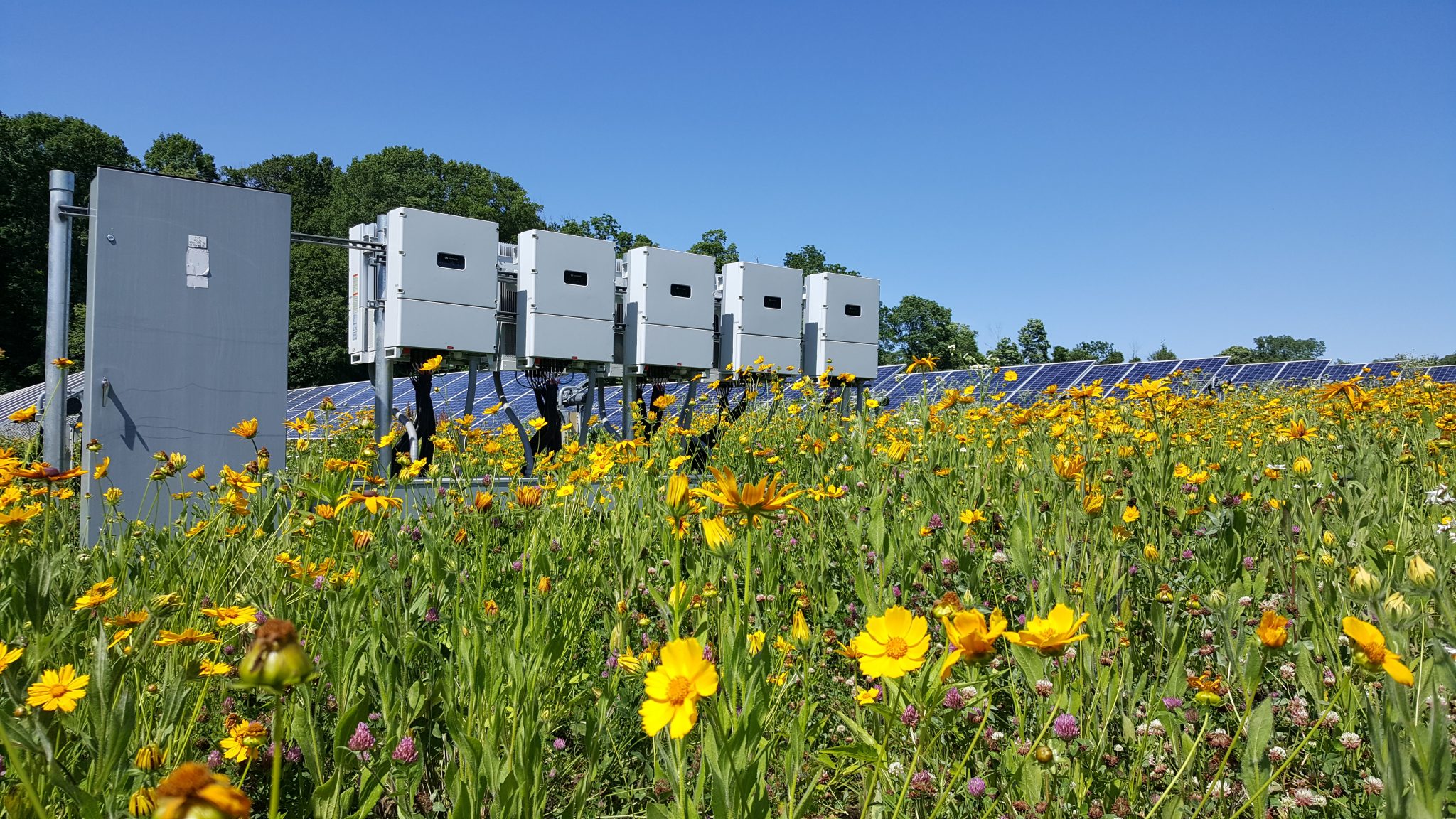
- Denison University’s pollinator-friendly solar array is the first of its kind in the State of Ohio!
- Nationwide, bees, monarchs, and other pollinators are disappearing, and scientists agree that loss of habitat is a primary concern.
- This pollinator habitat provides natural sources of food, water and shelter to wildlife and is sustainably maintained with the incorporation of native plants instead of pesticides.
- The habitat is part of the Million Pollinator Garden Challenge, a national effort to grow a million gardens that foster habitats for threatened insects such as butterflies and bees.
- The 10-acre, 2.3 megawatt solar system is big enough to power 300-350 average Ohio homes.
Learn more here!
Denison University Solar Pollinator Garden
- Denison University’s pollinator-friendly solar array is the first of its kind in the State of Ohio!
- Nationwide, bees, monarchs, and other pollinators are disappearing, and scientists agree that loss of habitat is a primary concern.
- This pollinator habitat provides natural sources of food, water and shelter to wildlife and is sustainably maintained with the incorporation of native plants instead of pesticides.
- The habitat is part of the Million Pollinator Garden Challenge, a national effort to grow a million gardens that foster habitats for threatened insects such as butterflies and bees.
- The 10-acre, 2.3 megawatt solar system is big enough to power 300-350 average Ohio homes.
Learn more here!
Federal-Hocking Local Schools flip the switch on new solar energy system
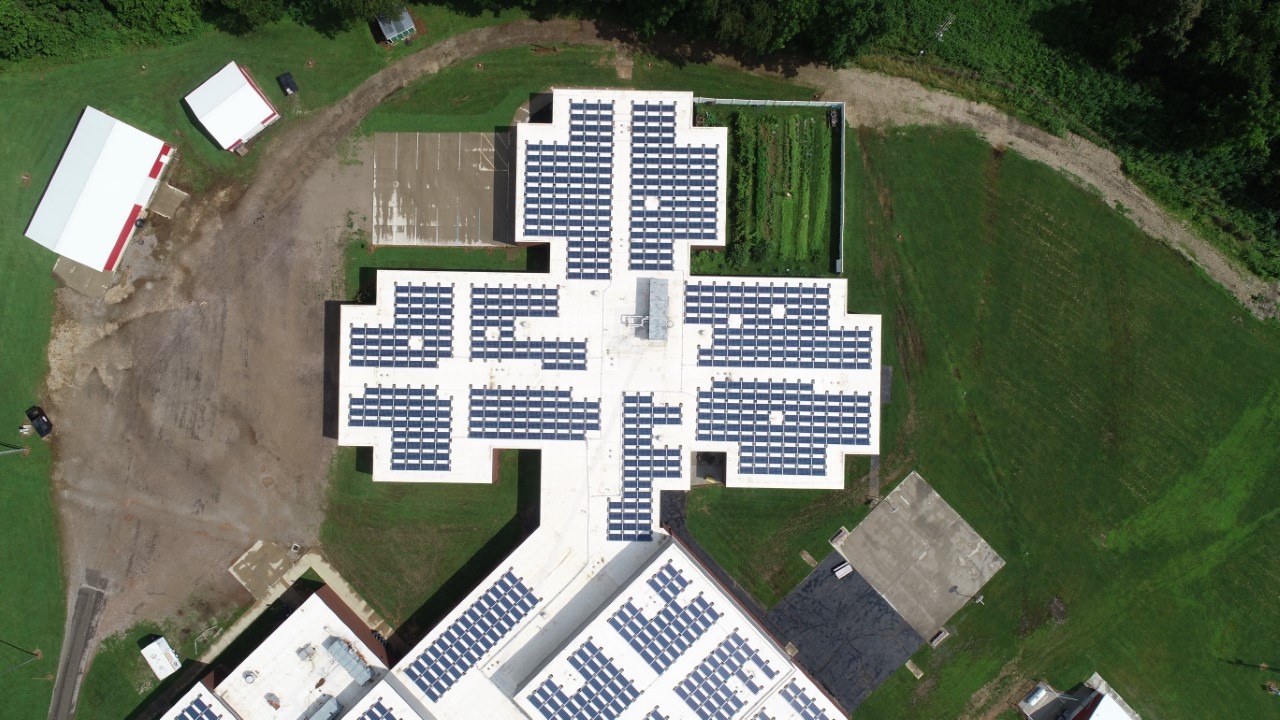
Federal-Hocking Local Schools cut the ribbon on a new solar installation that will offset 70% of the school’s annual energy use with renewable power. Students “flipped the switch” on a 700 kW solar system for the first time at the Federal-Hocking Middle & High School campus on July 11th 2019 at 11 AM. Former Federal-Hocking Superintendent, George Wood will speak at the event.
“Solar and renewable energy are the way of the future,” said George Wood. “But getting from here to there will take big actions by big organizations and institutions, like schools. Our district is a demonstration of what other districts can do.”
Attendees were joined by Former Governor and clean energy advocate Ted Strickland, State Representative Jay Edwards and Athens County Commissioners. The event follows the recent appointment of Third Sun Solar’s CEO Michelle Greenfield, to the Governor’s Executive Workforce Development Board.
The rooftop array will deliver environmental benefits to the region, eliminating 583 metric tons of carbon emissions each year – the equivalent of the annual energy used by 70 homes – offsetting over 825,000 kilowatt-hours of electricity each year.
The array was built and installed by a partnership consisting of the installer, Third Sun Solar, New Resource Solutions, who structured the financing and Foundation Renewable Energy Company, the system owner and operator.
“Third Sun Solar has installed solar on more than 70 schools, but this project is really exciting because it is right here in our community, and many of the folks working Third Sun Solar,” said Geoff Greenfield, President and co-founder “While the financial benefits to the school are very attractive, we believe that the benefits to our local economy, like the growing number of solar jobs, are also very important.”
Several installers on this project were students at Federal-Hocking High School and Joint Vocational School.
Watch the live-streamed video of the event here.


“I applaud Third Sun Solar and New Resource Solutions for building this impressive solar energy project. There are so many benefits: the school district saves money, our air is cleaner, and high quality jobs are created here in Appalachia. Sadly, while other states are raising their renewable targets to 50% or even 100%, Ohio’s clean energy standards are under attack. A decade ago, my administration worked with a Republican-controlled legislature to create a strong clean energy plan for Ohio that has saved families and businesses billions of dollars and created thousands of jobs. It is my sincere hope that we don’t go backwards on this issue” – Former Governor, Ted Strickland

Federal-Hocking Local Schools flip the switch on new solar energy system
Federal-Hocking Local Schools cut the ribbon on a new solar installation that will offset 70% of the school’s annual energy use with renewable power. Students “flipped the switch” on a 700 kW solar system for the first time at the Federal-Hocking Middle & High School campus on July 11th 2019 at 11 AM. Former Federal-Hocking Superintendent, George Wood will speak at the event.
“Solar and renewable energy are the way of the future,” said George Wood. “But getting from here to there will take big actions by big organizations and institutions, like schools. Our district is a demonstration of what other districts can do.”
Attendees were joined by Former Governor and clean energy advocate Ted Strickland, State Representative Jay Edwards and Athens County Commissioners. The event follows the recent appointment of Third Sun Solar’s CEO Michelle Greenfield, to the Governor’s Executive Workforce Development Board.
The rooftop array will deliver environmental benefits to the region, eliminating 583 metric tons of carbon emissions each year – the equivalent of the annual energy used by 70 homes – offsetting over 825,000 kilowatt-hours of electricity each year.
The array was built and installed by a partnership consisting of the installer, Third Sun Solar, New Resource Solutions, who structured the financing and Foundation Renewable Energy Company, the system owner and operator.
“Third Sun Solar has installed solar on more than 70 schools, but this project is really exciting because it is right here in our community, and many of the folks working Third Sun Solar,” said Geoff Greenfield, President and co-founder “While the financial benefits to the school are very attractive, we believe that the benefits to our local economy, like the growing number of solar jobs, are also very important.”
Several installers on this project were students at Federal-Hocking High School and Joint Vocational School.
Watch the live-streamed video of the event here.
“I applaud Third Sun Solar and New Resource Solutions for building this impressive solar energy project. There are so many benefits: the school district saves money, our air is cleaner, and high quality jobs are created here in Appalachia. Sadly, while other states are raising their renewable targets to 50% or even 100%, Ohio’s clean energy standards are under attack. A decade ago, my administration worked with a Republican-controlled legislature to create a strong clean energy plan for Ohio that has saved families and businesses billions of dollars and created thousands of jobs. It is my sincere hope that we don’t go backwards on this issue” – Former Governor, Ted Strickland
Working With Your Homeowners Association
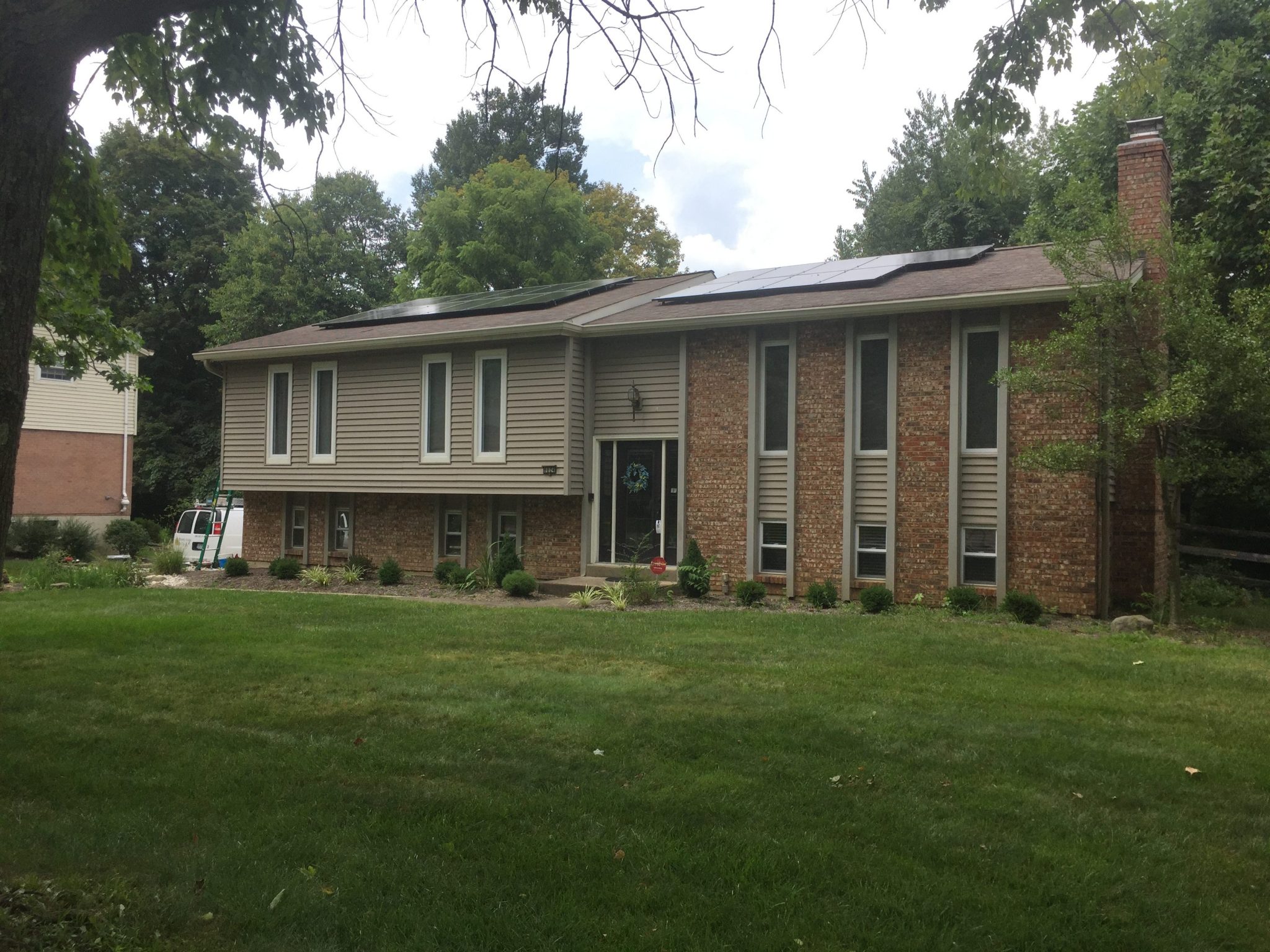
Working with your homeowner’s association for solar
The History of Solar And Homeowners Associations
In some neighborhoods, a homeowner must work with their homeowners association (HOA) prior to adding solar panels. When it comes to addressing solar proposals from homeowners, the HOA will typically rely on its restrictive covenants, or “deed restrictions” to guide their decision making. Covenants describe how a property can be used and what can be built on it. HOA’s use this tool to maintain uniformity and aesthetics in a neighborhood.
To begin the approval process, submit a proposal to the HOA architectural review person or committee. Sometimes the entire HOA board will vote to approve or disapprove of a proposal.
At the end of the day, your HOA deed restrictions often do not address solar panels.
The documents were written many years ago when residential solar wasn’t as common as it is today. So, in most cases, one will find that HOA deed restrictions do not include language that prevents solar. However, this does not mean that HOA boards will approve solar projects. There may be hesitancy by the HOA board to approve anything that is deemed to alter the “uniformity” of the neighborhood. Some HOA’s have restrictions on roof color which solar panels may not conform with. Even without roof color restrictions, HOA’s may see solar panels as altering the uniform look of the neighborhood.
Besides the issue of uniformity, HOA’s can typically block solar panels by invoking a clause in the deed restrictions pertaining to “aesthetics”. Since this is subjective, HOA boards can simply say that the panels will detract from the aesthetics of the neighborhood.
Before submitting your solar proposal to your HOA:
1. Become familiar with the HOA restrictive covenants.
- Is there any language that is specific to solar panels? If so, are there certain restrictions or guidelines? If not, is there language regarding maintaining neighborhood uniformity?
- What is the HOA approval process for home improvements? Can the HOA reject a proposal solely for aesthetic reasons?
2. Develop a proposal for the homeowner that addresses the possible HOA concerns.
- If aesthetics and/or uniformity are a concern, consider: all black panels and/or careful placement of panels ( to make sure design layout is optimal from an aesthetics standpoint)
3. If you think immediate neighbors will be supportive, talk to them.
- This support can be included in a proposal letter to HOA. HOA boards may be fearful of backlash from neighbors, so if homeowner has spoken with them and has their support, this will be beneficial.
4. Find out what other neighborhoods nearby are doing with regards to solar.
- Talk to other HOA’s in the area. Contact information for HOA presidents may be available from the city in which the neighborhood is in. For example, the City of Powell, OH has a list of contact information for all 29 HOA’s in the city.
- Are HOA’s in the area allowing solar? If not, what restrictions are in place?
- Are there any solar homes in surrounding neighborhoods?
- There is a chance that not many HOA’s will have experience dealing with solar. However, this also means that there is a high probability that no HOA’s in the area will be restricting solar. This fact can be highlighted when the homeowner submits a solar proposal to the HOA. If other nearby HOA’s are not restricting solar, this may influence the homeowner’s HOA to allow solar to go forward.
After submitting your solar proposal to your HOA:
Submit your proposal to the HOA along with a letter to the appropriate HOA architectural review person/committee, etc.
- Points to consider including in this letter:
- Reasons for wanting to go solar (electricity cost savings, making an investment in the home, environmental stewardship).
- Make note of research showing a substantial increase in home resale value for solar homes. This point is crucial since the aesthetic concerns of HOA’s typically stem from concerns about neighborhood value.
- Briefly show data regarding environmental benefits (i.e. emissions avoided: equivalent number of trees planted, pounds of coal avoided, miles driven by car avoided, etc.). Your solar proposal should have statistics like this included.
- Discuss any findings from talking to other HOA’s. Your proposal will be strengthened if the letter can state that “other nearby HOA’s are allowing solar” or “of the HOA’s I contacted, none have any restrictions on solar.”
- Solar is becoming more common and widespread, so this is an opportunity for the neighborhood to set a precedent — with a reputable solar firm who will ensure the installation maintains the aesthetics of the neighborhood. In other words, present this as a chance for the HOA to set a high standard for solar in the neighborhood.
- Consider proposing a set of solar guidelines that the HOA can use if desired. This may make it more palatable for the HOA to approve a solar installation if it knows that certain standards will have to be followed going forward. The HOA may be ok with the solar proposal of the current homeowner with regard to aesthetics, etc., but is concerned that this will open the door to all types of solar installations that may not be done as well by other homeowners. Northwest Solar Communities has developed residential solar guidelines that can be used as a template for HOA’s. Guidelines may need to be modified somewhat – i.e. take out language regarding ground-mounted solar, etc.
- Stress at the close of the letter the desire to work closely with the HOA.
- Provide contact information for yourself and your Third Sun Solar Consultant for any questions.
- Offer to present the proposal to the architectural review committee/board.
- In the presentation, show photos of high quality residential installations. Your Solar Consultant would be happy to provide you with photos to use.
If your solar proposal is not accepted…
If HOA does not approve the solar proposal, you may consider obtaining a supportive opinion letter from an attorney that addresses concerns brought up in the HOA restrictive covenants.
- This letter can describe how the solar proposal is in line with the HOA restrictive covenants and can speak to specific concerns raised.
- The point of the letter is not to appear as a threat of possible litigation against the HOA. Rather, it is to provide a supportive legal document to facilitate the HOA approval of solar.
- Note: this step can be taken prior to the initial submission of the proposal to HOA, but will add to the total cost to the homeowner and possibly be an unnecessary one.
Homeowners may consider modification of HOA restrictive covenants.
-
- Often this entails obtaining approval from 75% of homeowners in the neighborhood.
- One possible approach is to circulate petitions in the neighborhood for approval of solar guidelines (as mentioned above).
- The HOA attorney will need to write an amendment to the restrictive covenant.
- Prior to petitioning the neighborhood, send out an email to the neighborhood explaining the petition process and attach the proposed amendment, sample guidelines, etc.
- Likely, the most successful approach is going door-to-door in order to facilitate in-person conversations.
- Along with the petition, take around copies of proposed amendment documentation, proposed solar guidelines, and rendition of homeowner’s house with panels.
- If the petition is successful, the HOA board will need to formally adopt amendments to restrictive covenants, then submit documentation with the county recorder.
- You will now be able to resubmit the solar proposal.
Bi-Directional Metering in Ohio
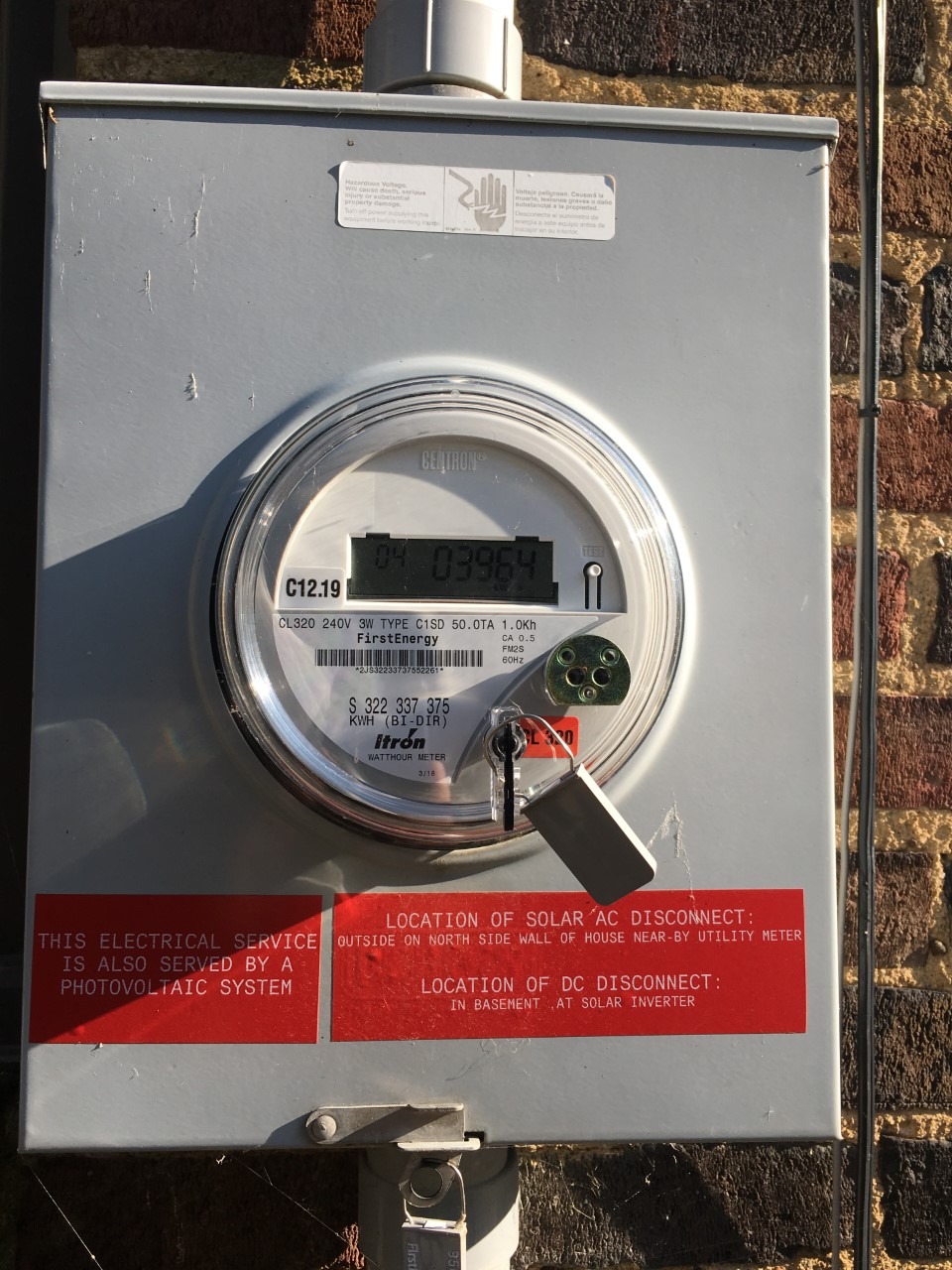
All residential solar systems that maintain a connection with their utility company require a bi-directional meter. A bi-directional meter measures the flow of electricity in two directions. It measures how much energy you’ve consumed and how much solar energy you’ve fed back into the grid. Read more about net metering here.
When do I turn my solar system on?
Before you begin the operation of your solar system, wait until your utility installs your bi-directional meter . This is to avoid any generation fees.
Why do I have to wait for the bi-directional meter to be installed?
Some standard meters may include a feature that prevent it from turning backwards and registering reverse power flow. In this case, even though your facility should reduce the amount of electricity the electricity your facility generates in relation to your current consumption would not be measured or subtracted from your overall electrical energy use.
Unfortunately, turning your solar energy system on before the bidirectional meter is installed can lead to extremely large utility bills. In the case that your solar system is on and the bidirectional meter is not yet installed, you could be charged for the energy your solar system produces. This is because your current meter understands all the energy you’ve created as energy used.
Third Sun Solar’s Role
Following installation and inspection of your system, Third Sun Solar will submit a request for bi-directional meter exchange.
Typically, the utility company will install the bidirectional meter anywhere from a week to a month post notification. Unfortunately, your solar company does not have control over when the utility will replace your meter. Additionally, your solar installer and you, the homeowner, are not always notified by the utility that the meter has been swapped! This can leave you waiting and checking your meter regularly, in anticipating of turning on your new solar array!
At Third Sun, we will be persistent in trying to make this happen! If it takes an unusually long time (over a month) we will file a case with the Public Utilities Commission of Ohio (or your state’s Public Utilities Commission) to have them intervene and help accelerate the process.
The Solar Homeowners Role
Be vigilant! Check on your meter! Because the utility company might not notify you or your installer about the meter swap, it’s possible that they install it while you aren’t looking. For the first month, go ahead and check on your meter every once in awhile to see if it has been switched out.
Fine Print Information about Net-Metering and Meter Exchanges
Be aware, as a net-metering customer, you are required to report yearly excess generation credits that total $600 or more to the IRS as miscellaneous income and your utility is required to report this information to you and to the IRS.
Please note that you are responsible for operating the facility safely, in accordance with the terms of the Application/Agreement and the manufacturer’s instructions. You also are to perform regular maintenance and inspections in accordance with accepted practices and the manufacturer’s instructions.
Useful Links:
- Please obtain a W-9 form from irs.gov/pub/irs-pdf/fw9.pdfand discuss with your tax professional.
- Codes for Interconnection and net metering: http://codes.ohio.gov/oac/4901:1-22
The Summer Solstice & Why We Celebrate
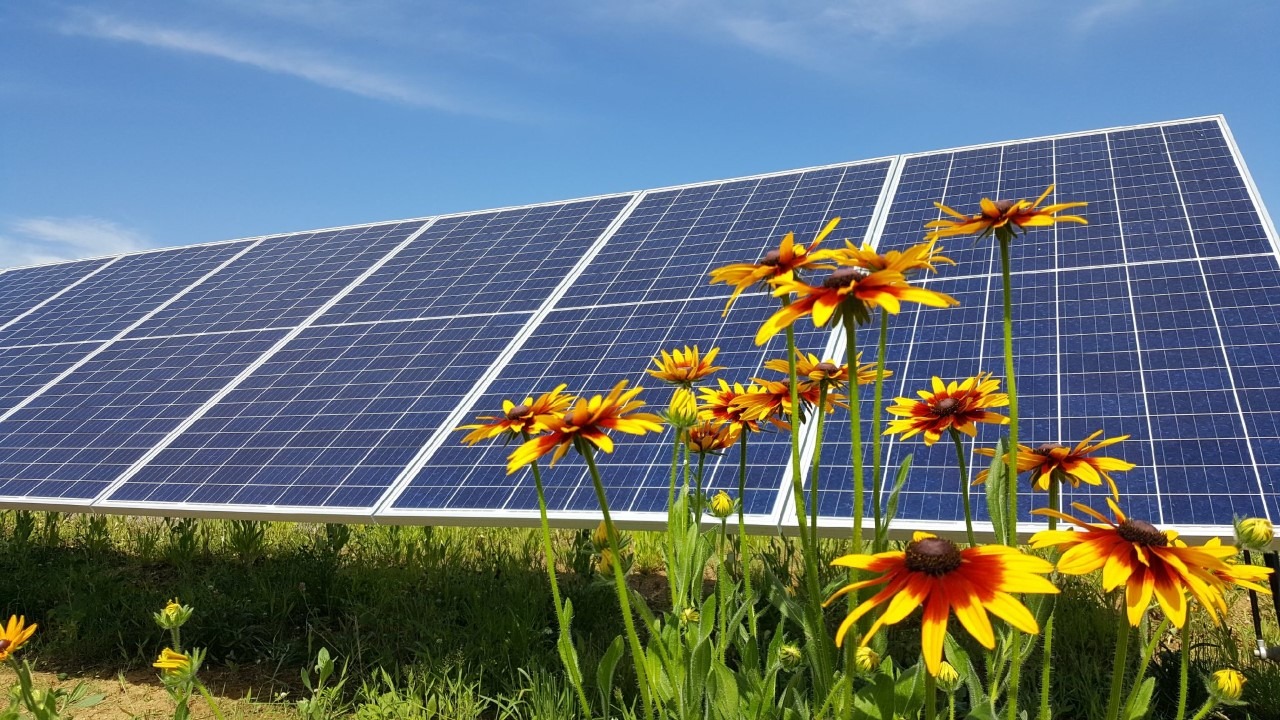
The Summer Solstice marks the first day of summer. This is the longest day of the year in the northern hemisphere.
Ever wondered why the days are longer in the summer and shorter in the winter? Or why we have seasons at all? We experience seasons because of the tilt of the earth as it circles the sun. The tilt also accounts for the change in sun hours throughout the year. As the earth tilts slightly towards the sun, our days get longer. Our peak tilt towards the sun in 2019 is June 21st!
How much energy does the sun produce?
At any moment, 173,000 terawatts (trillions of watts) of solar energy strikes the Earth. That’s more than 10,000 times the world’s total energy use. This summer solstice we’ll experience 15 hours of exposure to powerful & bountiful sun energy.
Why do we celebrate?
The Summer Solstice means that we are in peak summer production months for solar. This means that solar panels in the northern hemisphere have even more energy to soak up through the day.
Why celebrate in 2019?
In 2019 we‘re celebrating because there is more solar PV capacity worldwide than ever! This summer solstice the world has more solar infrastructure to soak up sunlight for use as energy than ever before!
According to the Solar Energy Industries Association (SEIA), as of 2019, the United States has 2 million solar installations- on homes, business, industrial buildings, and utility-scale solar installations. The energy generated by these solar systems combined would produce enough to power more than 12 million American homes. That is now greater than 70 gigawatts.
This reflects major growth in the solar sector in the U.S., which just 3 years ago reached 1 million solar installations. Additionally, the cumulative operating solar PV capacity is about 75 times more than what was installed at the end of 2008 (SEIA).
What has caused this growth?
The growth in the solar industry in recent years is a result of cumulative efforts by policymakers, solar customers, advocates, and business. The progress shows us the potential solar has to be a clean energy solution. Fueled by the incentive to create a better future for the planet, create jobs, reduce reliance on energy sources with harmful emissions and lower electric bills, we plan to see future growth in the solar market.
What next?
The Solar Energy Industries Association estimates that by 2024 2.5% of all US homes will have a home solar energy system installed. And we believe it. We are seeing solar become more and more mainstream. Between the federal Investment Tax Credit dropping to 26% at the end of 2019 (before it’s eventual drop to 0% in 2022) and the commercial tax credit eventually dropping to 10% for commercial projects, there are certainly incentives to go solar now.
To request a free solar evaluation, click here or give us a call during office hours: 877-GO-SOLAR
The Summer Solstice & Why We Celebrate
The Summer Solstice marks the first day of summer. This is the longest day of the year in the northern hemisphere.
Ever wondered why the days are longer in the summer and shorter in the winter? Or why we have seasons at all? We experience seasons because of the tilt of the earth as it circles the sun. The tilt also accounts for the change in sun hours throughout the year. As the earth tilts slightly towards the sun, our days get longer. Our peak tilt towards the sun in 2019 is June 21st!
How much energy does the sun produce?
At any moment, 173,000 terawatts (trillions of watts) of solar energy strikes the Earth. That’s more than 10,000 times the world’s total energy use. This summer solstice we’ll experience 15 hours of exposure to powerful & bountiful sun energy.
Why do we celebrate?
The Summer Solstice means that we are in peak summer production months for solar. This means that solar panels in the northern hemisphere have even more energy to soak up through the day.
Why celebrate in 2019?
In 2019 we‘re celebrating because there is more solar PV capacity worldwide than ever! This summer solstice the world has more solar infrastructure to soak up sunlight for use as energy than ever before!
According to the Solar Energy Industries Association (SEIA), as of 2019, the United States has 2 million solar installations- on homes, business, industrial buildings, and utility-scale solar installations. The energy generated by these solar systems combined would produce enough to power more than 12 million American homes. That is now greater than 70 gigawatts.
This reflects major growth in the solar sector in the U.S., which just 3 years ago reached 1 million solar installations. Additionally, the cumulative operating solar PV capacity is about 75 times more than what was installed at the end of 2008 (SEIA).
What has caused this growth?
The growth in the solar industry in recent years is a result of cumulative efforts by policymakers, solar customers, advocates, and business. The progress shows us the potential solar has to be a clean energy solution. Fueled by the incentive to create a better future for the planet, create jobs, reduce reliance on energy sources with harmful emissions and lower electric bills, we plan to see future growth in the solar market.
What next?
The Solar Energy Industries Association estimates that by 2024 2.5% of all US homes will have a home solar energy system installed. And we believe it. We are seeing solar become more and more mainstream. Between the federal Investment Tax Credit dropping to 26% at the end of 2019 (before it’s eventual drop to 0% in 2022) and the commercial tax credit eventually dropping to 10% for commercial projects, there are certainly incentives to go solar now.
To request a free solar evaluation, click here or give us a call during office hours: 877-GO-SOLAR
Net Metering Ohio
Ohio Net Metering
In sunny peak months in Ohio, solar systems often produce more energy than a home can consume. Have you ever wondered what happens to this excess electricity? Or how you, the homeowner, benefit from the extra energy your solar energy system produces? In Ohio, Net Metering is the process that accounts for this difference in production & use.
Net metering allows you to store the energy you produce in the electric grid, in the form of credits. When you produce more energy than you need, excess electricity travels back into the power grid. Energy sent back into the grid goes to power your neighbors’ homes. The State of Ohio requires that the utility company credit you for the energy you produced and send along. These credits appear on your monthly electric bill to help you keep track.
During sunny summer months, when your solar system is producing more than the energy you are using, you bank up credits. During the winter months, your home uses more energy than your solar system produces, and you use up the credits you’ve earned.
You will be charged for the energy you take use from the traditional electric grid (when your solar panels aren’t producing). You can pay for that extra energy using the credits you accrue during times your solar system is producing more energy than you are using.
Know that net metering rules change from state to state. This description of net metering applies to the Ohio net metering rules in the state of Ohio. Some states may be similar, but we always recommend finding local information because solar rules and regulations vary so widely.
What is Net Metering?
An electricity billing mechanism that allows consumers who generate some or all of their own electricity to use that electricity anytime, instead of when it is generated.
- Homeowners are credited for pushing their excess solar power onto the local grid
- Credits are used to offset the grid energy they use when their panels aren’t meeting their household electricity demand
- Ensure you get credit for the power you produce that flows onto the grid
Why is net metering important?
Net metering increases the economic benefit of solar power by crediting you for the power your solar energy system produces. The amount of energy you produce and use will vary over the course of the year. Net metering helps you account for this difference by crediting you for the excess electricity your panels produce so you can use it later.
Your utility benefits from net metering because electricity is generated so close to where it is consumed. This decreases the amount of electricity lost when power is transmitted across miles of wires. Additionally, it helps reduce strain on the grid during peak demand times: like on hot, sunny days.
Credits for excess energy (Will I receive payment for the excess energy I produce?)
In Ohio, you’ll get credits to be used on an annual basis to offset the cost of electricity that you take from the grid during times when your solar system is not producing energy. These credits rollover from month to month. Although you don’t get a check or cash back for your excess energy, your utility company will provide you with credits that will offset your future electricity usage. Credits will roll over into the next month and can decrease your electricity bill. This way, you can make sure you solar system continues to benefit from you all year round.
Eligibility Criteria for Net Metering in Ohio
To qualify for net metering, you must meet these requirements:
- System must be Grid- connected: Key to integrating net metering
- System size compliance: system can’t exceed your property’s energy needs
- Utility Provider participation
Credited Rates – At what rate do utility companies credit me for my usage?
Electric companies credit you at a net excess generation rate. The State of Ohio’s net metering policy does not require utilities to credit energy you produce at the full retail rate.
- Retail rate: some electric companies credit at same rate as electricity, however many credit at the wholesale rate of your electricity
- Some utilities roll over unused credits on an annual basis
- System size caps: utilities can cap on total solar capacity which may limit your solar installation size.
These variables vary based on your electric company. This is why it’s important to work with an experienced installer familiar with local utilities and their rules. Your experienced Solar Consultant can help you understand what your utility’s net excess generation rate is.
Can my energy bill be $0?
In many cases, yes!
Although some utility companies charge a fixed monthly fee, net-metering credits can offset the majority of your electricity cost, potentially making your bill $0. However, you may need to pay for the fixed customer charge – this is a set amount that utilities charge no matter how much electricity you use. This is particularly common in rural cooperatives.
Many of our customers have shared their decreased bill or $0 bill paired with Net-metering and in most cases, the main charge on the bill is a fixed customer fee. However, in many cases, you can use credits to pay down the fixed monthly costs. This is particularly common with the larger, investor owned utility companies (AEP, AES, Duke, First Energy). We often see $0 electric bills sent to us by our customers!
How much energy from my electric company will I purchase annually, when I have a solar system?
We don’t design all solar systems to meet 100% of a home’s electric usage over the course of the year. Why? This depends on many factors, but primarily the amount of space a home has for solar panels. Your solar consultant will work with you to design a solar system that makes sense for your home’s annual electricity usage.
How we can help
One of our experienced Solar Consultants will play a vital role in helping you design a system that fits your energy needs and maximizes the benefits of net-metering. They can also guide you through the specifics like rules and rates associated with your electric utility provider, ensuring you get the most of your investment.
