Stratford Ecological Center

Project Overview

System Size: 54.6 kW

Completed: 2018

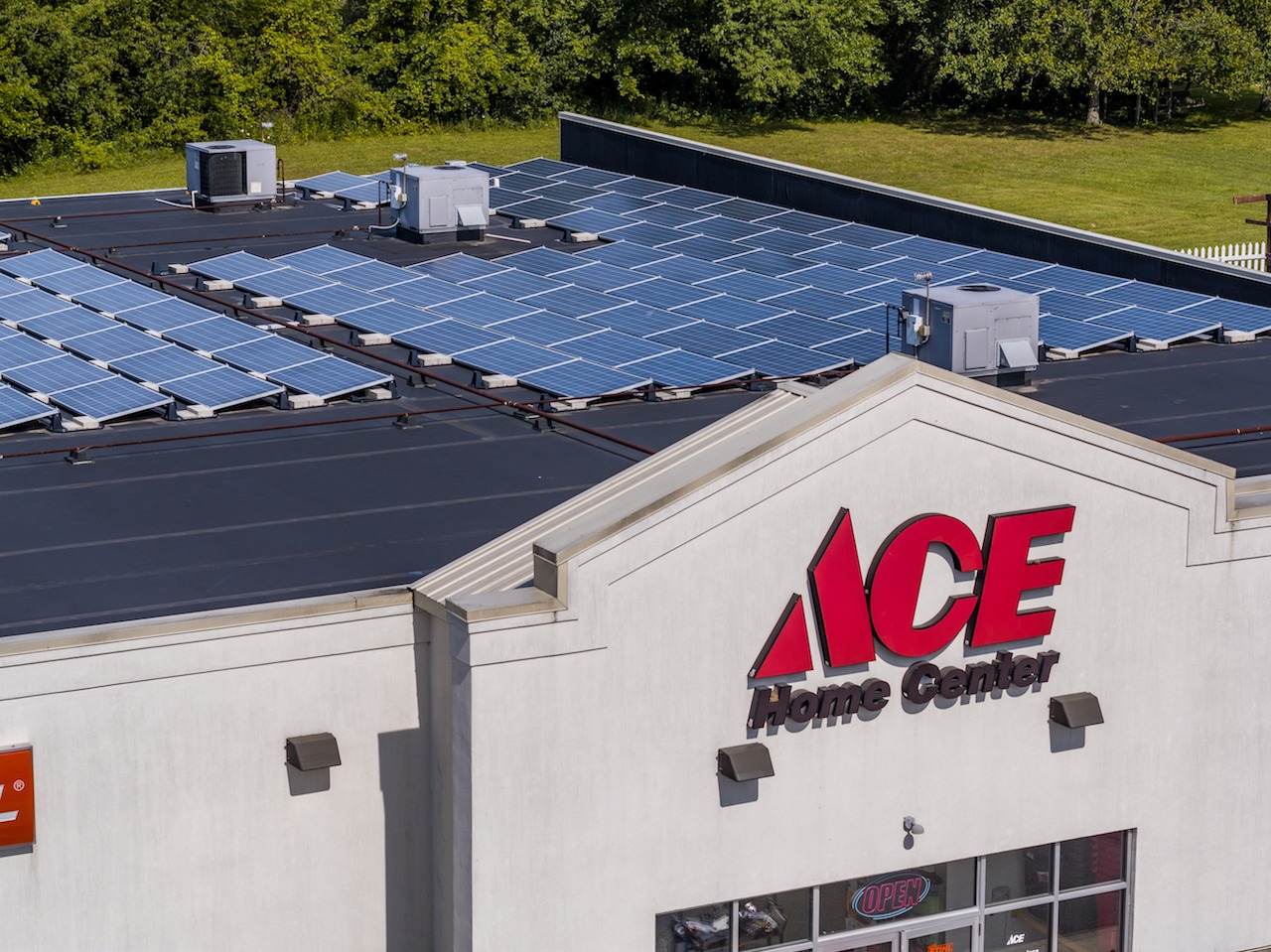
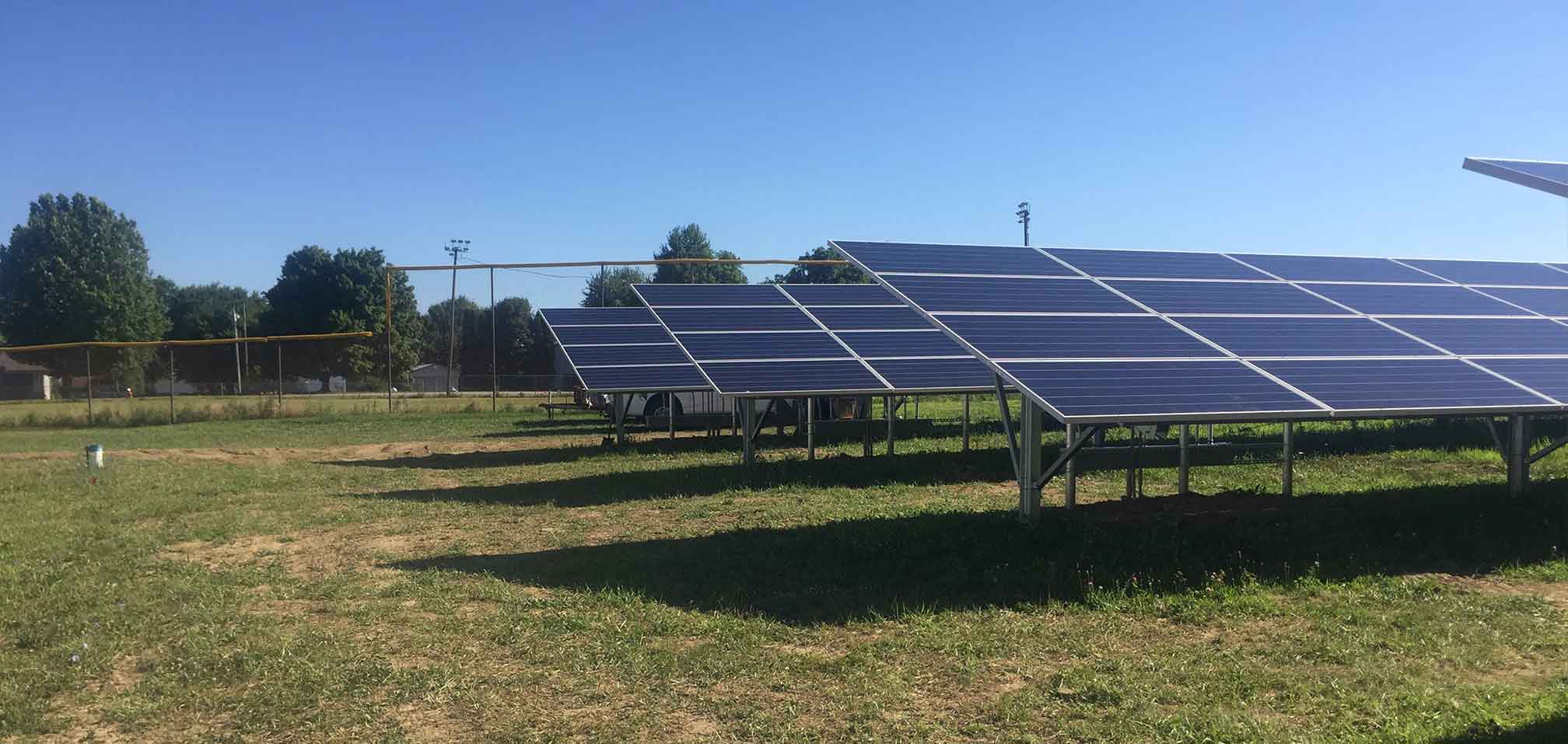
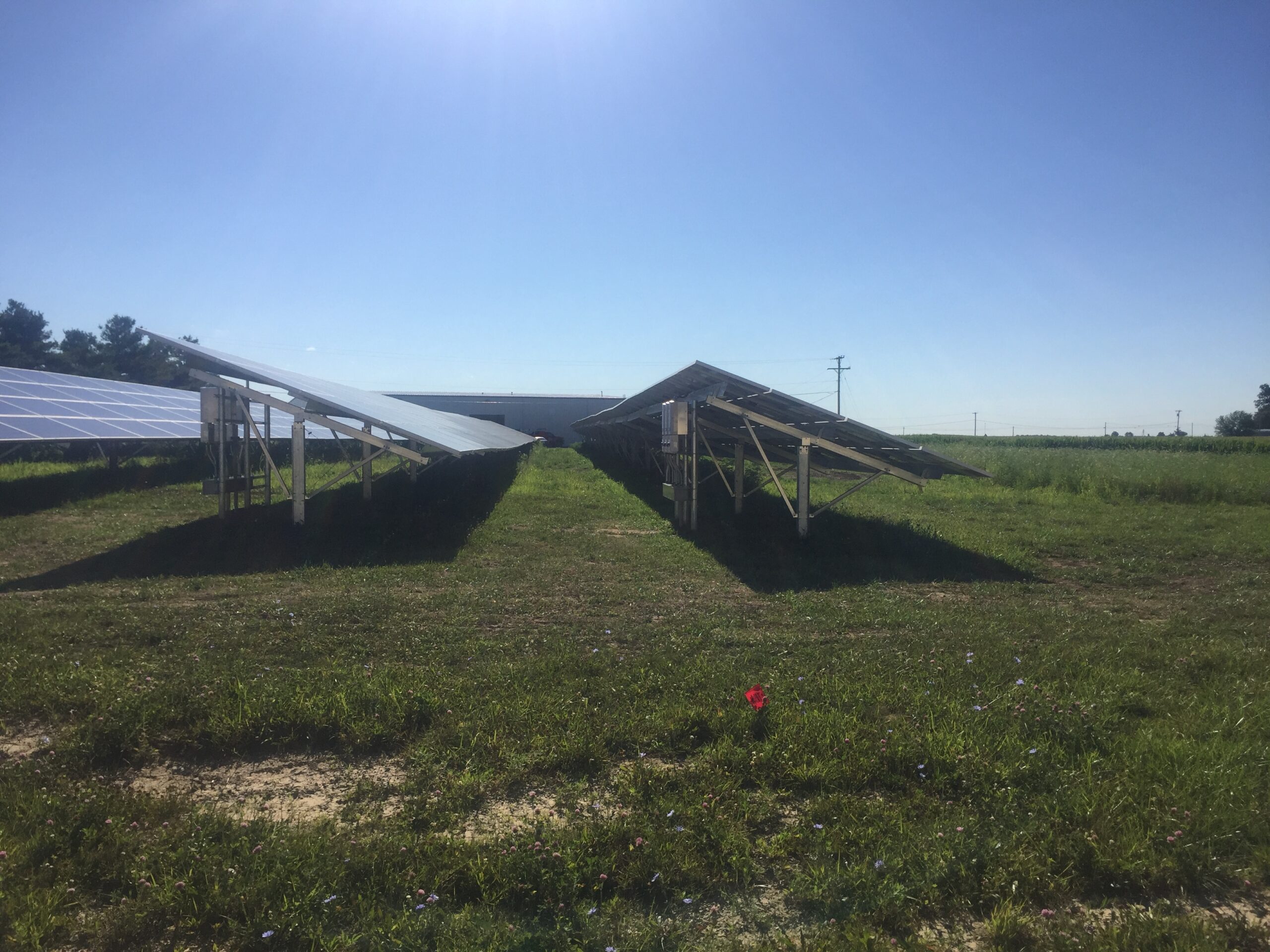
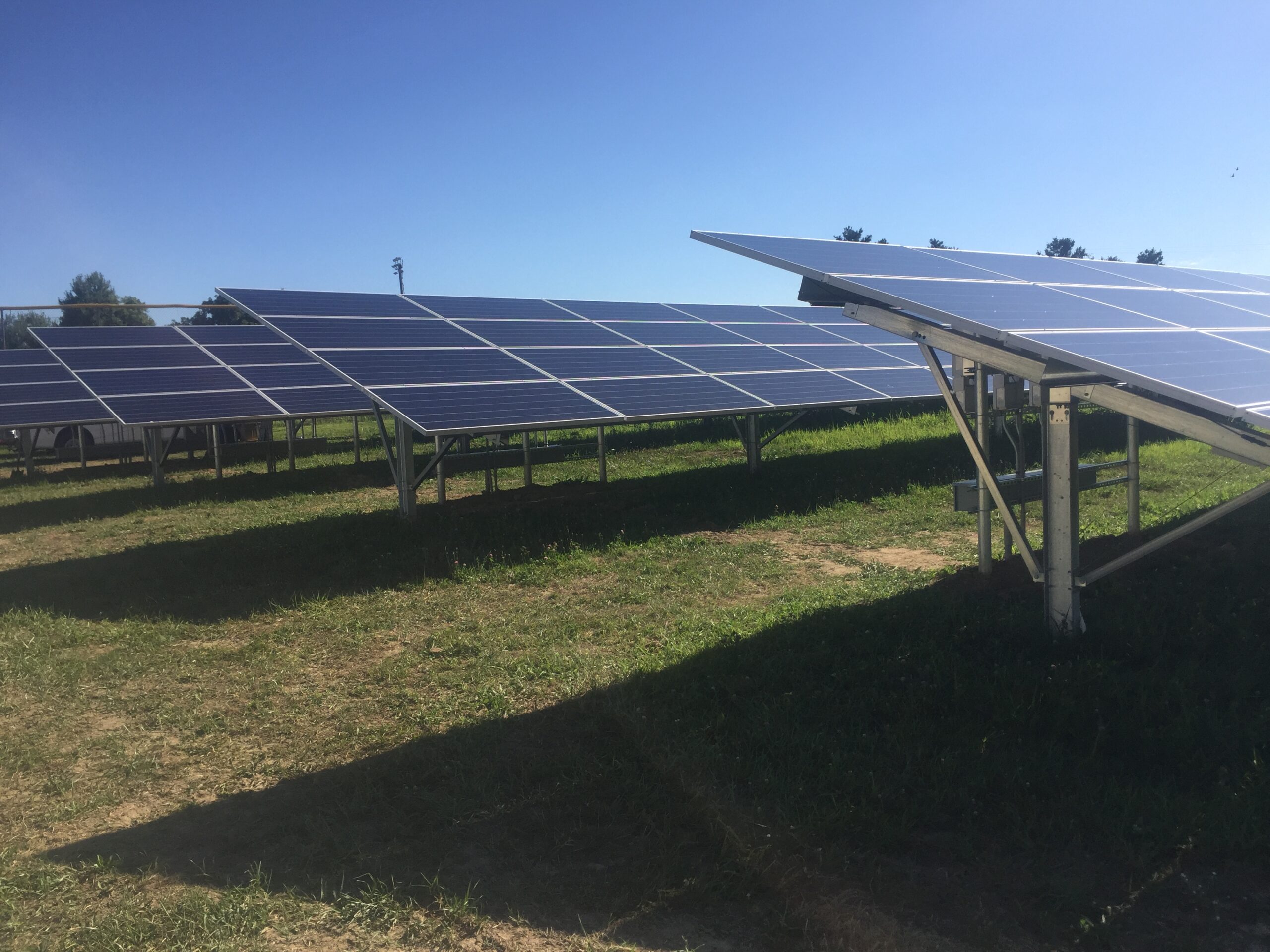
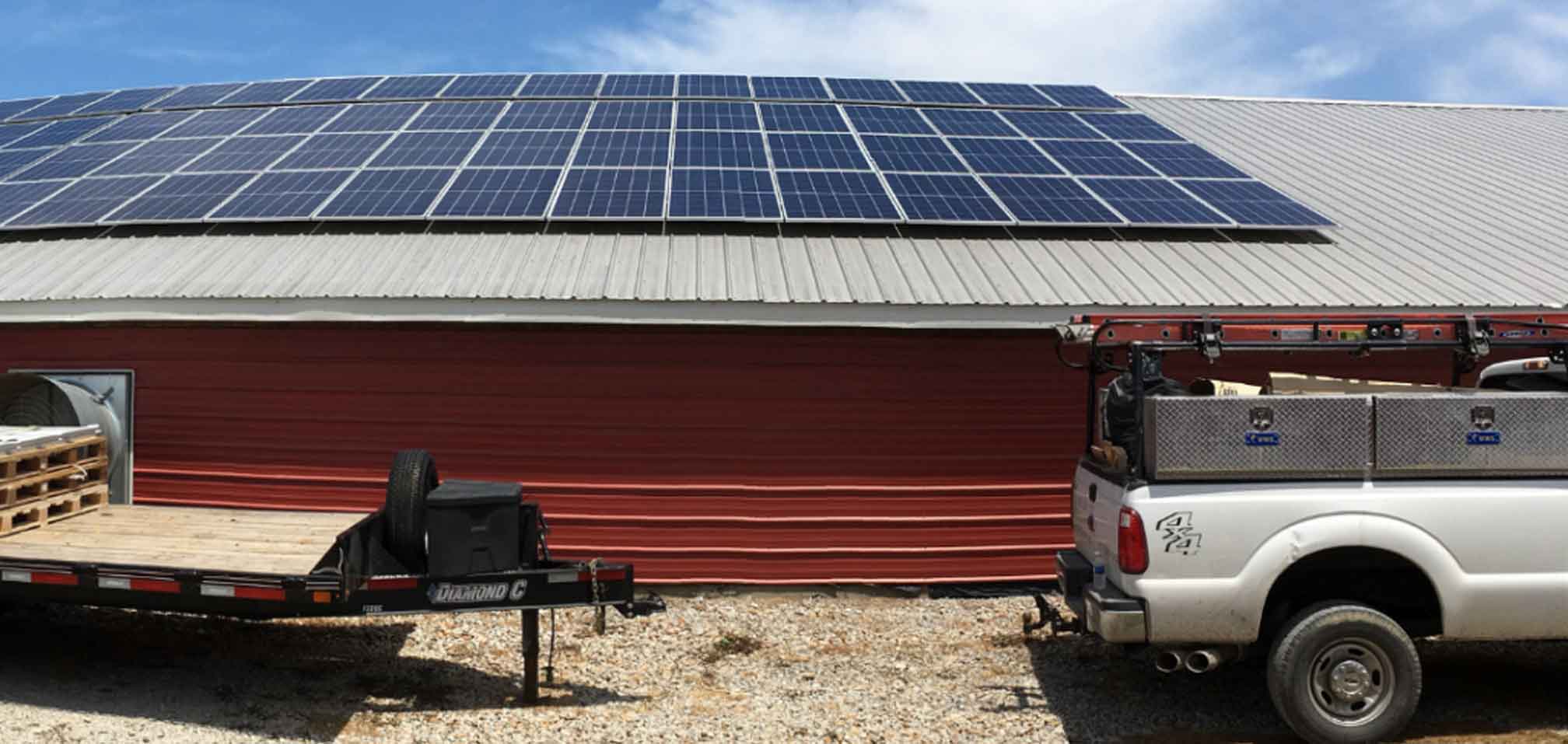
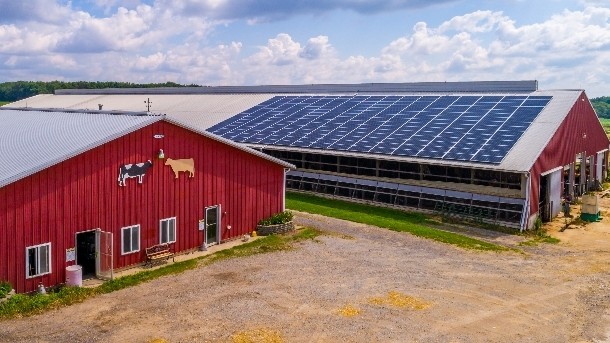
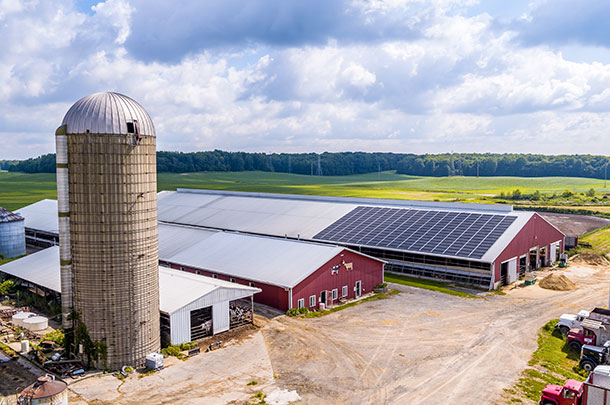
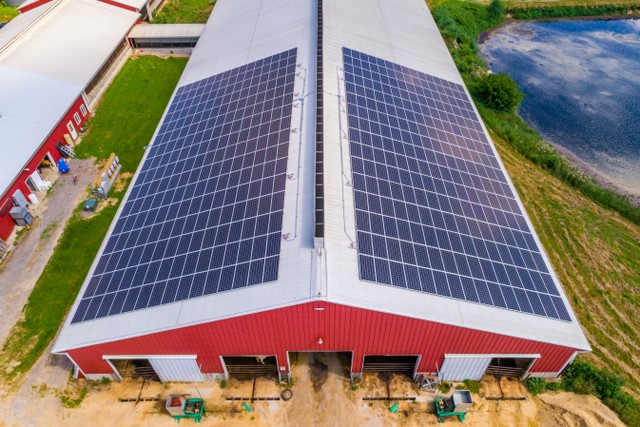
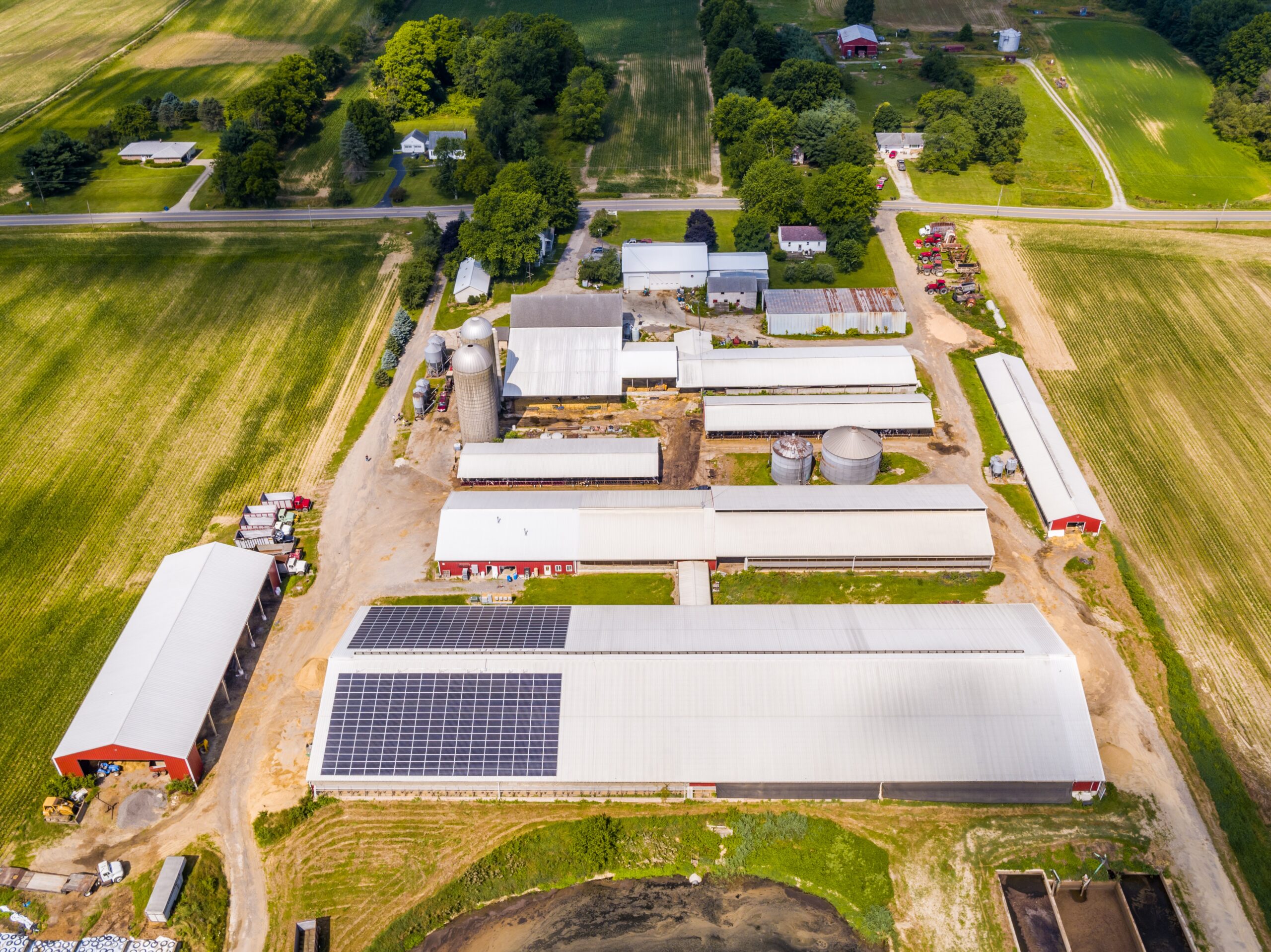
Stratford Ecological Center, a non-profit educational organic farm and nature preserve on 236 acres in Delaware County, Ohio, reached out to several premier Ohio solar installers to construct their first solar project. Stratford selected Third Sun Solar for our expertise in both solar project development and construction.

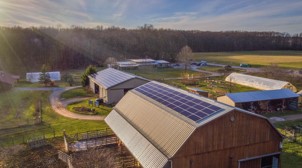
The result of our collaboration was a 54.6 kW solar PV system coupled with a Cripple Creek electric vehicle car charger. Aside from lowering their large electrical costs, the organization felt that solar aligned with their values and reinforces to the community that Stratford is a true steward of the earth. Since sustainability of the land is important to the organization, to avoid increasing land use, we were able to install on two south facing barns on the property, situated perfectly for optimal solar production.

Project Financing: Stratford Ecological received help from their large network of members and volunteers to fundraise for the project. Individuals could invest in the solar at various price levels to become a “Sunbeam”, “Power Ranger”, and “Solar Supreme”

Legal and tax structure: Since Stratford Ecological Center is a tax-exempt non-profit, zero tax incentives were utilized for this project.

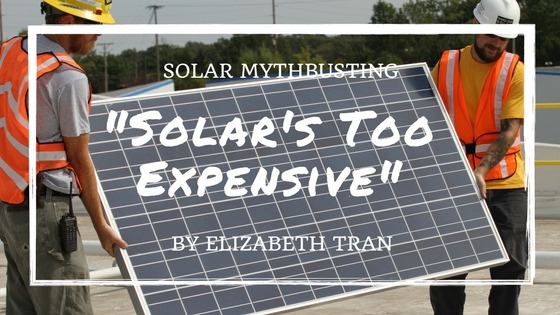
Solar Myth Busting: Solar is Too Expensive

Myth: Solar is too expensive.

Fact: Going solar is one of the best investments any homeowner can ever make.

We’ve heard it before: “Switching to Solar is Too Expensive”. Let’s take a look at the real costs of making the switch to solar energy before deciding that solar is too expensive. Let’s consider the facts first:


  • Initially, the cost of a solar installation is an investment. An investment that, when designed and installed properly, will put money in your pocket for many years to come. As utility rates increase, the money saved will only continue to rise.


  • In recent years, the cost of solar panels has dropped substantiallywe’re talking 60 % over the last 10 years, making solar more practical and economical than ever before. This is the exact opposite of fossil fuel sources (oil, gas & coal), which become more expensive and less abundant with every ton burned.


  • Residential electricity rates have seen an increase of 4% nationally over the past 10 years. In some places like Oregon, locals have seen dramatic increases as much as 40%, there is no denying that rates will continue to be on the rise.


  • Solar panels typically come with a 25-year warranty, but systems installed decades ago are still generating energy today, so it’s expected that a new array will last many years beyond the warranty period. That’s 25+ years of saving 50-85% on your electric bill annually! Think of how you could better spend that money.


  • Homeowners don’t have to wait 25 years to see the savings; depending on the size of the system, homeowners can take advantage of simple payback of 9-12 years.


  • Solar panels operate during peak daytime load periods when fossil fuel powered electricity is at its greatest demand and most expensive. In fact, with an efficiently-designed solar array, the panels will be returning excess power to the grid when it’s most needed, generating credit instead of cost.


  • Some people worry about the value of their investment if they choose to install solar panels, but might decide to sell their homes later. Well no surprise here, solar installations actually increase the value of your home on the market, with the added bonus of spending less time on the market.*


In our modern society, having electricity has become essential for day-to-day living, and the use of a depleting resource is becoming a real crisis. With our rate of energy consumption in the U.S. increasing, and the cost of fossil fuels predicted to also continue rising, now is a perfect time to make the switch. Don’t let the cost of going green stop you from making the switch. With our current trends, switching to solar energy is a great way to save.


*appraisalinstitute.org

Solar Myth Busting: Solar is Too Expensive

Myth: Solar is too expensive.

Fact: Going solar is one of the best investments any homeowner can ever make.

We’ve heard it before: “Switching to Solar is Too Expensive”. Let’s take a look at the real costs of making the switch to solar energy before deciding that solar is too expensive. Let’s consider the facts first:


  • Initially, the cost of a solar installation is an investment. An investment that, when designed and installed properly, will put money in your pocket for many years to come. As utility rates increase, the money saved will only continue to rise.


  • In recent years, the cost of solar panels has dropped substantiallywe’re talking 60 % over the last 10 years, making solar more practical and economical than ever before. This is the exact opposite of fossil fuel sources (oil, gas & coal), which become more expensive and less abundant with every ton burned.


  • Residential electricity rates have seen an increase of 4% nationally over the past 10 years. In some places like Oregon, locals have seen dramatic increases as much as 40%, there is no denying that rates will continue to be on the rise.


  • Solar panels typically come with a 25-year warranty, but systems installed decades ago are still generating energy today, so it’s expected that a new array will last many years beyond the warranty period. That’s 25+ years of saving 50-85% on your electric bill annually! Think of how you could better spend that money.


  • Homeowners don’t have to wait 25 years to see the savings; depending on the size of the system, homeowners can take advantage of simple payback of 9-12 years.


  • Solar panels operate during peak daytime load periods when fossil fuel powered electricity is at its greatest demand and most expensive. In fact, with an efficiently-designed solar array, the panels will be returning excess power to the grid when it’s most needed, generating credit instead of cost.


  • Some people worry about the value of their investment if they choose to install solar panels, but might decide to sell their homes later. Well no surprise here, solar installations actually increase the value of your home on the market, with the added bonus of spending less time on the market.*


In our modern society, having electricity has become essential for day-to-day living, and the use of a depleting resource is becoming a real crisis. With our rate of energy consumption in the U.S. increasing, and the cost of fossil fuels predicted to also continue rising, now is a perfect time to make the switch. Don’t let the cost of going green stop you from making the switch. With our current trends, switching to solar energy is a great way to save.


*appraisalinstitute.org

Groups Going Solar Together via Solarize Programs

What are these talks of solarize programs and solar co-ops all about?

There has been a lot of press in the Midwest surrounding communities creating group solarize and solar co-op opportunities. But what does this mean for you?

What are solarize and solar co-op programs?

Both programs are locally-organized group-buying opportunities provided by a city, neighborhood, or organization where multiple homes and businesses go solar together as a group. In addition to getting a bulk discount, the group members benefit by learning about solar together and sharing the task of evaluating and selecting a solar installer. These programs have established periods of time for joining, so they are limited time offers.

Why are these programs forming?

Solarize and solar co-op programs can quickly deploy a large amount of solar, and make the process easier and more efficient for all parties. Organizations often offer this type of opportunity as an employee benefit. An important benefit of a group going solar all at one time is that everyone can learn together and share knowledge in addition to the discount.

What are the benefits of these programs?

If you live in an area that has a solarize or solar co-op program already being offered, then:

  • You are in a position to not only take advantage of the 30% Federal Tax Credit, but you will also have the opportunity to purchase a solar array for your home or business at the group-negotiated discount rate. These rates vary by program, and some solarize opportunities present additional grants for eligible homeowners.
  • Joining a solarize or solar co-op allows you to rely on the expertise of your group in choosing a reliable solar installer. Working together with accountants, lawyers, engineers and construction experts in your community helps members feel more confident about choosing solar and a reliable installater.
  • Lastly, taking advantage of these opportunities while they are occurring dramatically increases the environmental benefits for the entire community in which you live or work.

There isn’t a solarize or solar co-op happening where I live or work. Should I wait to go solar?

The time to buy solar is now, even if you live in a community without one of these group-buying opportunities because:

  • Costs for solar have dropped significantly over the last decade, making solar an affordable energy solution.
  • There is currently a 30% Federal Tax Credit being offered.
  • Our clients dramatically lower their annual electric bills by 50-90%, keeping money in their pockets.
  • You might consider organizing your own “group purchase”. Even having a few homes go solar together can lead to savings and efficiency (see below).
  • Easily start your free evaluation by completing this form.

How can I start a solarize or solar co-op program for my community?

Third Sun Solar has experience working with neighbor groups, businesses and churches to offer group-buying opportunities to their neighbors, employees and congregations. We can help walk you thru the process, and offer an incentive package where discounts are spelled out depending on how much solar gets installed. Working with a group saves us money and time, so it’s an easy decision for us to turn this saved money into a discount.

Third Sun Solar has also been selected as a preferred installer for multiple community co-op and solarize programs (for example: GCEA & OH SUN programs). We would be happy to answer your questions about gathering a group together to go solar. For more information, call us: 877-696-7652.

Groups Going Solar Together via Solarize Programs

What are these talks of solarize programs and solar co-ops all about?

There has been a lot of press in the Midwest surrounding communities creating group solarize and solar co-op opportunities. But what does this mean for you?

What are solarize and solar co-op programs?

Both programs are locally-organized group-buying opportunities provided by a city, neighborhood, or organization where multiple homes and businesses go solar together as a group. In addition to getting a bulk discount, the group members benefit by learning about solar together and sharing the task of evaluating and selecting a solar installer. These programs have established periods of time for joining, so they are limited time offers.

Why are these programs forming?

Solarize and solar co-op programs can quickly deploy a large amount of solar, and make the process easier and more efficient for all parties. Organizations often offer this type of opportunity as an employee benefit. An important benefit of a group going solar all at one time is that everyone can learn together and share knowledge in addition to the discount.

What are the benefits of these programs?

If you live in an area that has a solarize or solar co-op program already being offered, then:

  • You are in a position to not only take advantage of the 30% Federal Tax Credit, but you will also have the opportunity to purchase a solar array for your home or business at the group-negotiated discount rate. These rates vary by program, and some solarize opportunities present additional grants for eligible homeowners.
  • Joining a solarize or solar co-op allows you to rely on the expertise of your group in choosing a reliable solar installer. Working together with accountants, lawyers, engineers and construction experts in your community helps members feel more confident about choosing solar and a reliable installater.
  • Lastly, taking advantage of these opportunities while they are occurring dramatically increases the environmental benefits for the entire community in which you live or work.

There isn’t a solarize or solar co-op happening where I live or work. Should I wait to go solar?

The time to buy solar is now, even if you live in a community without one of these group-buying opportunities because:

  • Costs for solar have dropped significantly over the last decade, making solar an affordable energy solution.
  • There is currently a 30% Federal Tax Credit being offered.
  • Our clients dramatically lower their annual electric bills by 50-90%, keeping money in their pockets.
  • You might consider organizing your own “group purchase”. Even having a few homes go solar together can lead to savings and efficiency (see below).
  • Easily start your free evaluation by completing this form.

How can I start a solarize or solar co-op program for my community?

Third Sun Solar has experience working with neighbor groups, businesses and churches to offer group-buying opportunities to their neighbors, employees and congregations. We can help walk you thru the process, and offer an incentive package where discounts are spelled out depending on how much solar gets installed. Working with a group saves us money and time, so it’s an easy decision for us to turn this saved money into a discount.

Third Sun Solar has also been selected as a preferred installer for multiple community co-op and solarize programs (for example: GCEA & OH SUN programs). We would be happy to answer your questions about gathering a group together to go solar. For more information, call us: 877-696-7652.

Sarbaugh Poultry

Project Overview

System Size: 131.16 kW

Completed: 2017

This 131.1 kW solar system offsets the poultry’s operation by 79%. With a payback period of 6 years, the 25-year electric bill savings was estimated at $591,718. With the greatest energy expenditure in the summer months, when solar is at its peak production, this farm operation saw the huge value solar could bring to their operations. The money saved will be put to good use in funding future farm projects for Sarbaugh Poultry.

Kibler Dairy

Project Overview

System Size: 163.2 kW

Completed: 2017

Adding solar helps to stabilize a farms operating costs, which is valuable to farmers and agricultural producers in general. Kibbler Dairy Farms found that they had to constantly run fans during the summertime to keep brutally hot temperatures at bay. This electric expenditure led to very high electric bills. To reduce and stabilize the expense, the farm turned to solar.

In 2017 Third Sun Solar installed 480 solar panels at Kibler Dairy Farm in Warren, OH. The system provides monthly savings in the thousands to the farm. The first year alone saw over $23,000 in avoided electrical payments. The farm was excited to save that money to reinvest in the operations. In turn, the project will offset approximately 120 tons of carbon dioxide emissions per year.

Family farms see their future in going green. Dairy farms are prime candidates to bring more renewable energy to our heartland.

It’s Easy to Claim Your Federal Solar Tax Credit

Understanding your federal tax forms seems like a lost cause to many people. And turning to a tax professional may be your cup of tea. But in a post by EnergySage, they’ve broken down every form needed to claim the federal solar tax credit, most commonly referred to as the ITC (Investment Tax Credit).

Some things mentioned to keep in mind:

  • Solar array owners (not leasers) are eligible to claim the ITC on any property they live in at least part of the year. (Primary or not)
  • The ITC is a refundable tax credit, which means that if your federal tax liability is less than the total solar savings, you can carry over the remainder to the following year because you can’t get more back than you owe in any one year.

You’ll just need one additional form to complete in order to claim your tax credit: IRS Form 5695. Once you’ve completed Form 5695 in the manner they outlined, you’ll take the final result (line 15) and include it in your IRS Form 1040, line 53.

Read original article at EnergySage.com…

Posted in Uncategorized

It’s Easy to Claim Your Federal Solar Tax Credit

Understanding your federal tax forms seems like a lost cause to many people. And turning to a tax professional may be your cup of tea. But in a post by EnergySage, they’ve broken down every form needed to claim the federal solar tax credit, most commonly referred to as the ITC (Investment Tax Credit).

Some things mentioned to keep in mind:

  • Solar array owners (not leasers) are eligible to claim the ITC on any property they live in at least part of the year. (Primary or not)
  • The ITC is a refundable tax credit, which means that if your federal tax liability is less than the total solar savings, you can carry over the remainder to the following year because you can’t get more back than you owe in any one year.

You’ll just need one additional form to complete in order to claim your tax credit: IRS Form 5695. Once you’ve completed Form 5695 in the manner they outlined, you’ll take the final result (line 15) and include it in your IRS Form 1040, line 53.

Read original article at EnergySage.com…

Solar for National Security

Posted in Uncategorized

Solar Barriers Disappearing

We all use electricity. For too long, we have used electricity without thinking much about it, believing that electricity is best made by others, by experts, by “the powers that be.”

We are now entering a new era, one where we can take control of our future, including the important choice of how our power is generated.

I am proud to be part of the growing solar power industry. Every day, companies like Third Sun Solar are busy building new clean solar power plants, including solar for households, businesses, government buildings, military facilities… and even libraries.

Solar technology is simple, reliable and efficient. There are no moving parts. The panels are solid state, modular and scalable. More panels make more power, and the amount of power they produce is a function of their specifications and their location. To make equal amounts of electricity, you might need 10 solar panels in the desert southwest and 12 panels in Ohio, maybe 15 panels in western New York state. The point is, solar panels work anywhere.

The nation’s second-most solar state is New Jersey. Germany is a shining example of a modern industrial nation that is well on its way to a clean, renewable power grid. The key point here is, solar can work anywhere the sun shines. There is no technical barrier to a solar powered U.S.A.

Is solar cost effective? Yes, solar panels also make sense financially. Solar costs have dropped by 80% since 2007 — just as we saw with personal computers and smartphone, as a new industry scales up, costs come down. So with long-term financing a solar system can cost less than conventional retail power, with no fuel costs–sunlight is free fuel. There is no economic barrier to a solar powered U.S.A.

As I said… My company and many of my friends in the solar industry are hard at work turning on system after system for folks that are choosing clean energy. But there are also many entrenched power interests that benefit from perpetuating the status quo — that want us to keep burning coal, oil, and natural gas and throwing pollution up into our delicate atmosphere. Aging, inefficient and highly-polluting power plants are being kept online simply to maximize profit. This has to stop.

There is STILL a political barrier to a solar powered U.S.A.

At Third Sun Solar, our company mission is to accelerate the shift to clean energy. We need to move forward, both installing clean solar and wind power as quickly as we can, while also retiring the dirtiest, oldest power plants as quickly as we can. We salute and support Environment Ohio in calling on Senator Sherrod Brown to support the EPA’s new Carbon Rule.

Posted in Uncategorized

Do Your Solar Homework

We have FAQs here, but the Qs we’d really like to A are yours. Read these questions and jot down your answers. Those answers will help us help you decide whether solar makes sense for you. Call us when you have all the answers, and we’ll deliver a quick review of your solar potential, the costs, and the returns you can expect on that investment in your home. Or, fill out our on-line form here.

Your street address: (So we can look you up on Google Earth)
City, State, Zip:

Which best represents the orientation of your house?

  • North/South
  • East/West
  • Northeast/Southwest
  • Southeast/Northwest
  • None of these

Which best represents your roof?

  • Flat roof
  • 15° pitch
  • 30° pitch
  • Complex roof (facing many directions)
  • None of these

Which best represents the shading on your roof from trees or other structures?

  • No Shade
  • Partial Shading
  • Full Shading

Find a recent utility bill. If you have it scanned as a PDF, that’s great. You can email it to us at [email protected].
Or, you can fax it to us at 740-249-4596.

About how much you pay per month for electricity, on average?

  • Under $100
  • $100-150
  • $150-200
  • $200-300
  • Over $300

How much of your electric bill would you like to eliminate?

  • Reduce 100% of my electric bill
  • Reduce my electric bill by 50%
  • Reduce my electric bill by 25%

I would like to have uninterrupted power during grid blackouts


Posted in Uncategorized

Third Sun Solar to Speak at Forum Designed to Explore Solar’s Future in Ohio

Third Sun Solar to Speak at Forum Designed to Explore Solar’s Future in Ohio

Athens, OH– Third Sun Solar’s president and co-founder, Geoff Greenfield, will be speaking at this year’s final Ohio Conservation Forum, this Friday, December 19th. The forum will explore Ohio’s current energy situation with a look back at the history and impact of solar in the state, as well as discussing what the future holds for renewable energy in Ohio. The forum will feature a panel of solar professionals, including Greenfield, as well as a guest from Green Energy Ohio, a non-profit organization dedicated to promoting environmentally and economically sustainable energy policies and practices in Ohio. The forum will take place at 1 p.m on December 19th at 1404 Goodale Boulevard, in Columbus. Those who are interested in attending are asked to RSVP to [email protected].

This symposium is a part of the Ohio Conservation Forums, an event put on by the Ohio League of Conservation Voters. The forums seek to stimulate education and discussion by joining experts with concerned citizens to discuss environmental and sustainability topics pertinent to the future of our state and its people.

Third Sun Solar president, Geoff Greenfield, at the Athens Public Library. (Photo courtesy of The Athens News)
Third Sun Solar president, Geoff Greenfield, at the Athens Public Library.
(Photo courtesy of The Athens News)

2014 Another Great Year for Solar

Thank you for another great year of accelerating the shift to clean energy.

This year we welcomed over 50 new farms, businesses, and homeowners to our Third Sun Solar family. They join more than 400 others who have taken their energy independence into their own hands while doing something positive for the planet.


2014 Thank You


Posted in Uncategorized

Solar Myth Busting: Too Much Snow for Solar

Solar panels still generate power under snow
Myths get started all the time as we try to understand something complicated. We make up a story as an explanation, and the more times we say it and share it, the more that myth sounds like truth. So, we are going to bust some myths by sharing the simple facts about solar. This doesn’t have to be complicated and these myths are no longer necessary to get solar.

Myth: There’s too much snow for solar in the Midwest

Fact: Solar panels still work in snowy parts of the country and in some situations can work more efficiently that during summer months.

It’s true that when your solar panels are completely snow-covered, they will only be able to generate a portion of their typical energy output because less sunlight is able to pass thru the snow cover.

That being said, this is nothing to be concerned about because:

  • Solar creates more efficient energy at cooler temperatures.
  • The sun will warm up the dark solar panels and the snow will quickly melt and/or slide off the smooth surface, so no need to clear the snow off yourself.
  • Even in the dead of winter, solar panels give off some small amount of heat, which can prevent snow from sticking in the first place.
  • In working with Third Sun Solar experts in the design of the array, the shorter days, weather, and less direct sunlight is taken into account to optimize your system. Net-metering will allow you to continue receiving electricity when your array produces less.
  • As a percentage of overall yearly production the loss from some snow is very small.
  • When snow is on the ground and the panels are clear, the snowy surface basically acts as a mirror and in many cases, you end up with a small boost because of the reflection off the snow.
  • Snow sliding off panels as it melts simultaneously cleans them.

We recommend not trying to clear the solar panels. Getting onto a roof in inclement weather is dangerous and using any type of tool on the panels themselves can damage the panels.

Posted in Uncategorized

3 Solar Power Predictions for 2016

Welcome 2016

Quite a lot happened in 2015 that will bring improvements to our homes and environment. Now that 2016 is here, we wanted to make some solar power predictions around what we think is in store for the Midwest.

1 – More homeowners will go solar. The renewal of the ITC will allow solar installations in the Midwest to catch up to what has been going on in the coastal states. More and more homeowners will turn to solar this year as they watch their electricity bills increase due to rising costs of fossil fuels and rate hikes approved by PUCO.

2 – Storage is going to be talked about more than installed this year. We don’t think 2016 is the year for energy storage, although it will start creeping more and more into the media. We’ve already seen the excitement building around energy storage prototypes, but in the Midwest, we think it will be a few years away until energy storage provides financial benefits.

3 – Solar installation prices will continue to drop, although only slightly. PV modules have already seen significant price cuts over the last few years, so any future drops in price are more likely to come from installation innovations. These types of efficiency changes are only likely to result in small cost cuts and not on the scale as has been witnessed one the last few years.

Posted in Uncategorized

Top 5 Solar News Stories from 2015

cheers

2015, A Landmark Year for Solar

As we reflect on 2015, it seems likely that it will be a year remembered for landmark actions taken in defense of the planet. The Clean Power Plan passed, the ITC was extended, and a historic international agreement was made in Paris at the COP 21 summit to reduce emissions globally. It was a lot to take in and fully digest, so we decided to pull together a short list of must read articles that wrap up 2015 and get us energized for 2016.


The future for renewable energy is looking bright!

Cheers to a Happy Solar New Year!

Santa Closes Coal Plant for Good!

December 22, 2015
FOR IMMEDIATE RELEASE

Santa Closes Coal Plant for Good!
(North Pole) – Major changes for Christmas this year, as Santa closes the centuries old coal plant at the North Pole. Parents and children around the world will be enjoying a much greener and cleaner Christmas from now on with toys made with responsibly produced electricity and without coal in their stockings.
Santa ClausFor years, coal has been easily accessible and cheap for Santa to use in powering his toyshop at the North Pole and giving leftover coal to children on the Naughty list. Making the shift to renewable energy to power the toyshop, Santa says embracing solar and wind power for his energy needs “is the way of the future.” People around the globe are being advised to learn from Santa’s choices and include renewable energy on their Christmas lists this year.

“It’s a great way to lower the rising price of energy bills,” says Mrs. Claus, “and it’s better for everyone.”

Green Gifts
By closing the North Pole Coal Plant for good, Santa is also changing his “gifts” for naughty children from lumps of coal to local rocks. Elf Sam comments, “Local rocks are in greater supply, can be picked up conveniently at each home, won’t overburden the reindeer, and are a much more green, sustainable gift encouraging children to be good the coming year.” He also thinks it’s great that Santa is going to be “rocking the rocks” instead of carrying coal.

Santa is a Role Model to All
“We think this is a great time for people to learn from Santa and take control of their energy supply by installing solar panels on their homes”, comments Geoff Greenfield, President of Third Sun Solar, “Many families are unaware of the savings they could enjoy by going solar. Since the panels don’t require direct sunlight to work, there is still electricity generating on a cloudy day.” “Though,” says Michelle Greenfield, “Santa’s going to have to be a little more careful where he parks the sleigh from now on!”

Santa is being applauded for his dedication to reversing climate change and the impact he is making by switching to renewable energy. The North Pole is already enjoying the benefits of free power and Santa hopes they can be a positive influence on the rest of the world.


About Third Sun Solar
Based in Athens, Ohio, Third Sun Solar is a fast-growing design/build solar photovoltaic firm serving Ohio and surrounding states. Recognized as an Inc. 5000 Five-Year Honoree company, Third Sun Solar is at the forefront of the emerging clean energy industry—a growing resource for 21st-century Ohio jobs. For 15 years, the company has custom designed and installed over 400 solar energy systems for its commercial, institutional, government, and residential customers across the Midwest, generating more than 9 megawatts of energy in pursuit of the goal of bringing solar energy into the residential and commercial mainstream. Third Sun Solar employs a team of NABCEP-certified solar energy system installers along with design engineers, financial analysts, grant specialists, and support staff focused on making it easier for customers to go solar. The company combines financial and management experience, multiple installation crews, a network of professional services partners, and advanced internal systems to deliver a smooth transition to solar energy at any scale.

Third Sun Solar is a woman-owned business, recognized as a Disadvantaged Business Enterprise (DBE) through the state of Ohio’s Unified Certification Program. The firm is EDGE-certified and federal HUBzone-certified. The firm is a Certified B-Corporation –third party audited for sustainable and fair business practices.

Contact: 1-877-OWN-SOLAR

From LED’s to Solar-Powered Christmas Trees: the Holidays Become More Energy Conscious

The holidays have never been brighter, or greener. With the unseasonably warm weather we’ve been experiencing in the Eastern half of the country, we’ve noticed more people making time to get outside and set up holiday light displays. And as we take in these beautiful displays, we are enjoying the trend towards LED lights and solar-powered Christmas trees.

dreamstimesmall_48386551

LED Lights Keep Money in the Bank

Christmas lights are typically left on for hours at a time, so it’s easy to rack up higher than normal electric bills. Investing in LED string lights that use less than a third of the energy, last 10 times longer, and are safer than a standard incandescent string means that you will end up with more savings in your pocket year after year. The electricity bill will go down. Replacement strands won’t be needed for years. And since LED lights don’t emit heat, they won’t overheat and cause a fire.

Harnessing the Sun to Light up the Night

Christmas Tree: Rockefeller Center

Cities around the world have been using LED lights to brighten trees for years and now they are taking things a step farther by powering those lights with energy supplied by the sun. Here’s a rundown of some solar-powered trees we love this Christmas:

Brisbane, Queenland, Australia

New York City, NY: Rockefeller Plaza

Lismore, New South Wales, Australia

These trees are gorgeous. If you are traveling this season and have an opportunity to visit them in person, you won’t be disappointed.

(Due to space constraints, panels are not yet supplying 100% of the power needed, but we find it inspiring none-the-less that cities are using renewable energy to make their holiday displays greener each year. More information can be found here regarding the energy usage of the Rockefeller Center tree.)

Posted in Uncategorized

Solar Myth Busting: High Maintenance

Rooftop solar

Myths get started all the time as we try to understand something complicated. We make up a story as an explanation, and the more times we say it and share it, the more that myth sounds like truth. So, we are going to bust some myths by sharing the simple facts about solar. This doesn’t have to be complicated and these myths are no longer necessary to get solar.

Myth: Solar is High Maintenance

Fact: Solar panels have no moving parts, on average are warrantied for 25 years, and nature takes care of the bulk of the maintenance work.

With no moving parts, solar panels require little to no regular maintenance. And because we are in the Midwest, we are lucky, because heavy rainfalls generally take care of cleaning the panels for us! If you think you are in an extra dusty part of town, a couple times a year you may want to check your solar panels for a build-up of dirt and debris, since heavily soiled panels will have slightly decreased output than sparkling panels. Panels that appear heavily soiled with dirt, pollen, or bird droppings can be rinsed off safely with a garden hose on cloudy days or early in the morning. No need to scrub your panels or hand clean them, which can result in damage. If your garden hose doesn’t have the power to get all of your panels with you standing on the ground, we recommend having a professional climb onto the roof to take care of them for you. Safety isn’t to be taken lightly.

Posted in Uncategorized

Get Started

Get Started