Buying a home comes with a long list of things to learn. You figure out where the water shutoff is, how old the furnace is, when the roof was replaced, and which day the trash goes out. If you bought a house with solar panels, there is one more system worth getting to know.
The good news is you don’t need to become a solar expert.
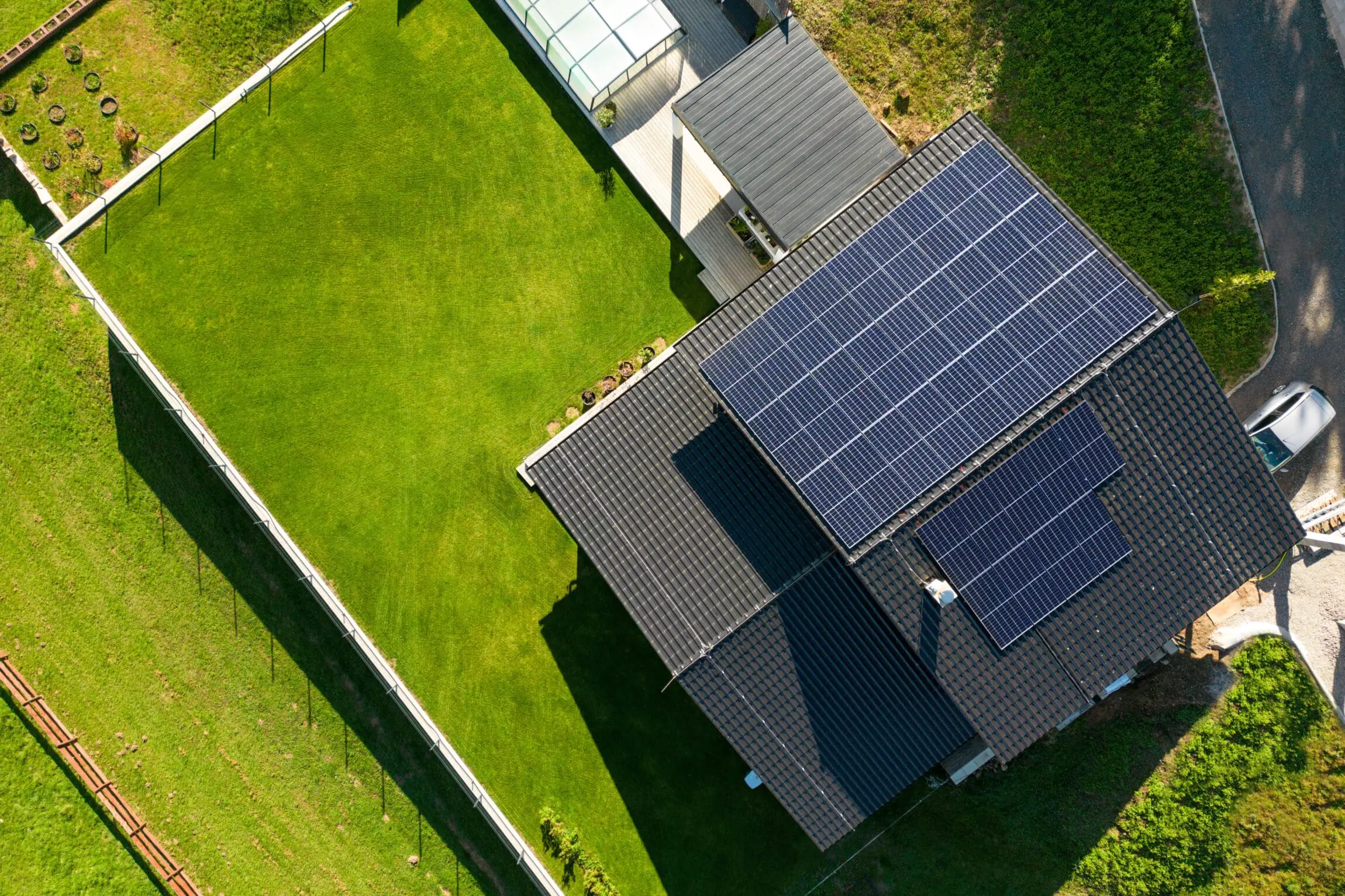
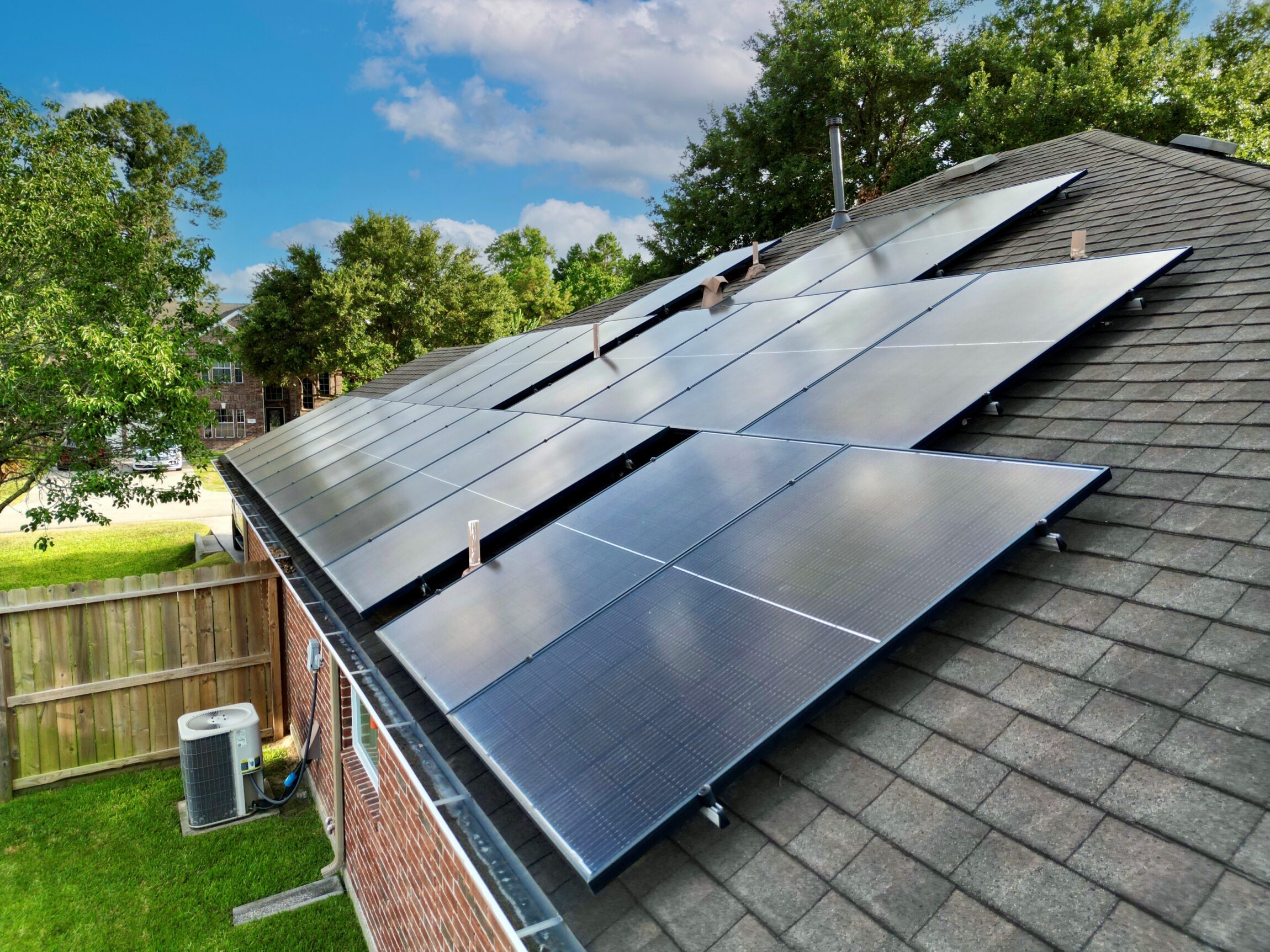
Your solar panel system is already installed and producing clean energy. As the new homeowner, your job is to understand what you have, confirm it is operating properly, access available monitoring tools, and know who to contact when the system eventually needs service.
For Ohio homeowners, a little information upfront can make owning an existing solar energy system much easier. Here is where to begin.
First, Find Out What Solar System You Own
Before digging into electric bills or energy production, start with the equipment itself.
Look through any documents transferred during the home purchase. Ideally, the previous homeowner left information about the original solar installation, including the solar installer, installation date, number of solar panels, equipment manufacturers, system size, warranties, and monitoring platform.
If you don’t have all that information, don’t panic. Gather whatever documentation is available and make a basic inventory of the system.
Useful information can include:
- Solar panel manufacturer and model
- Inverter or microinverter manufacturer
- Original solar installer
- Approximate installation date
- System size
- Equipment warranty information
- Monitoring app or web portal
- Previous service records
- Utility information related to the system
This gives you a starting point for understanding the equipment that came with your home.
If Kokosing Solar installed the system, contacting the service team can also help if you have questions about how it’s operating. Kokosing Solar has been designing and installing residential and commercial solar systems across Ohio since 2000.
How Do I Know If the Solar Panels Are Actually Working?
Once you know what system you have, the next question is usually simple: Is it working?
A solar monitoring platform is one of the easiest ways to answer that question. Kokosing Solar explains that homeowners can monitor system performance through a mobile app or web portal that displays real-time energy production and historical data. Systems with microinverters or optimizers may even allow you to see performance at the individual panel level.
If the previous owner did not transfer monitoring access, find out which platform is connected to the system and what you need to do to establish access as the new homeowner.
Once you are connected, spend some time getting familiar with the dashboard. You do not need to check it every day. The goal is to understand what normal energy production looks like for your home so you are more likely to notice if something changes.
Remember that solar production naturally varies. Cloud cover, seasons, hours of sunlight, roof orientation and other conditions can affect the amount of energy your panels produce. A lower-production day does not automatically indicate a problem.
Get Familiar With Your Inverter
Your inverter plays an essential role in your solar power system. Solar panels produce direct-current electricity, and the inverter converts it into alternating-current power your home can use.
Depending on the system, your home may have a central string inverter or individual microinverters for each panel.
Kokosing Solar notes that string inverters typically have an expected lifespan of about 15 to 20 years, with warranties commonly lasting 10 to 15 years. Microinverters and optimizers may last 20 years or longer with proper care.
Why does that matter when you buy a home?
The age of the solar system gives you context. If the panels were installed several years ago, the inverter may reach the point where it needs attention before the panels themselves do.
You do not need to predict exactly when that will happen. Knowing the age and type of equipment helps you understand what you own and gives you useful information if a monitoring alert or performance issue appears later.
Learn What Your Solar Panels Are Doing to Your Electric Bill
Your first few electric bills can be confusing when you move into a house with solar panels.
Your solar energy system produces electricity that offsets some of the electricity you would otherwise purchase from your utility company. If the system produces excess solar energy, that electricity can be sent back to the electrical grid.
Kokosing Solar explains that Ohio net metering allows excess electricity from a grid-tied solar system to flow to the grid, with the utility providing bill credits.
Your monthly electric bill will still depend on your personal energy usage.
This is especially important when comparing your bills with anything the previous homeowner told you. Two families can live in the same house and have very different electricity consumption. Central air conditioning, heat pumps, electric heating, EV charging, household size, work-from-home schedules, and everyday habits can all change the amount of electricity a household uses.
The solar system did not change when you moved in. The people using the energy did.
Give yourself time to establish your own baseline. After several months, you will have a much clearer picture of how the home’s solar production and your electricity usage work together.
Compare Energy Production Over Time
One sunny afternoon tells you very little about the long-term health of a solar system.
Historical monitoring data is far more useful.
If your monitoring platform provides past energy production, look at trends across weeks and months. You may also have access to data from before you purchased the home, depending on the platform and account transfer.
Seasonal differences are expected. Ohio homes receive different hours of sunlight throughout the year, and weather conditions naturally affect daily power output.
What you are looking for is a larger pattern.
If energy production suddenly drops and stays low, or the monitoring system reports a performance issue, it may be time to contact a solar professional.
Kokosing Solar recommends monitoring system checks as part of residential solar maintenance and notes that monitoring apps can alert homeowners to performance issues.
Understand the Equipment Warranties That Came With the System
Warranty information is another item worth tracking down after buying a house with solar panels.
Solar equipment is designed for long-term use. According to Kokosing Solar, most solar panels are warrantied for 25 to 30 years and have expected lifespans of 30 years or longer. Panels gradually lose some production over time, with energy production expected to decline by roughly half a percent per year.
Other components can have different warranty periods and expected lifespans.
Find any warranty paperwork available from the previous homeowner and keep it with your other important home documents. Pay attention to the manufacturers listed for the solar panels, inverter, battery storage system if applicable, and other major equipment.
If the system ever needs repair, having this information readily available can make the service conversation much easier. Kokosing Solar notes that warranties often cover repairs when residential systems experience certain equipment problems.
Does a Home Solar System Need Regular Maintenance?
Residential solar panels require relatively little routine maintenance because the panels have no moving parts.
Still, low maintenance does not mean you should completely forget about the system.
Kokosing Solar recommends an annual inspection and regular monitoring system checks for residential systems. Critter guards may also make sense in some situations.
For a new homeowner, an inspection can also give you a clearer understanding of the system you inherited, especially if you have limited information about its service history.
Between inspections, monitoring can help you stay aware of energy production without constantly thinking about the panels on your roof.
Think of it the same way you would other major equipment in your home. You do not need to watch it every day. You should know what normal operation looks like and pay attention when something changes.
What Happens During a Power Outage?
This catches many new solar homeowners by surprise.
A standard grid-tied solar system shuts down when the utility grid goes down. That safety feature prevents the solar system from sending electricity onto power lines while utility crews may be working on them. Once grid power is restored, the system automatically restarts after a short period.
So, having solar panels does not automatically mean your home will have electricity during a power outage.
Battery storage changes the equation. An appropriately sized battery bank can store solar energy and provide backup power when the electrical grid is unavailable. Kokosing Solar offers solar and battery solutions for homeowners interested in greater resiliency and energy independence.
If you purchased a home that already has battery storage, add that equipment to the list of components you need to understand. Kokosing Solar notes that most solar batteries have an expected lifespan of roughly 10 to 15 years.
What If Your Energy Use Is Different From the Previous Owner’s?
The original solar system was designed around another household’s circumstances.
Your energy consumption could look very different.
Maybe you work from home and run your air conditioning throughout the day. Maybe you drive an electric vehicle. Your family may be larger or smaller. You might eventually replace gas appliances with electric options or install a heat pump.
Those changes can affect how much electricity you purchase from the utility even when the solar panel system continues producing as expected.
This is why your monthly electric bill alone does not tell you whether the system is performing correctly. Look at your actual solar energy production alongside your household electricity consumption.
If your needs change significantly over time, a solar professional can help you understand what your existing system is producing and what options may be available for your home.
Keep an Eye on Your Roof, Too
Your solar panels and roof share the same space, so future roofing work requires some additional planning.
Solar panels have long expected lifespans. Your roof may need repair or replacement while the solar energy system is still operating.
If that happens, contact a qualified solar provider before roofing work begins. The solar equipment may need to be removed so the roofer can access the roof and then reinstalled after the project is complete.
Planning ahead helps keep the roofing and solar work coordinated and protects equipment during the process.
Your New Home Came With an Energy Asset. Learn How to Use It.
Buying a house with solar panels gives you something most new homeowners have to start from scratch to get: an existing source of clean energy.
Take some time during your first few months in the home to understand it.
Find the system paperwork. Get access to monitoring. Learn the age of the panels and inverter. Review available warranties. Watch your own energy usage and electric bills. Know what happens during an outage. Then keep up with basic inspections and service when the system needs attention.
You do not have to figure it all out alone.
Kokosing Solar has more than 25 years of solar installation experience and supports Ohio homeowners with residential solar. If your system stops working, Kokosing Solar directs homeowners to contact its service team for help, and many system issues can be addressed through professional service and warranty support.
If you recently moved into a home with a Kokosing Solar system and have questions about its performance or service needs, contact Kokosing Solar. Getting familiar with your system today can help you confidently manage your home’s solar energy for years to come.