

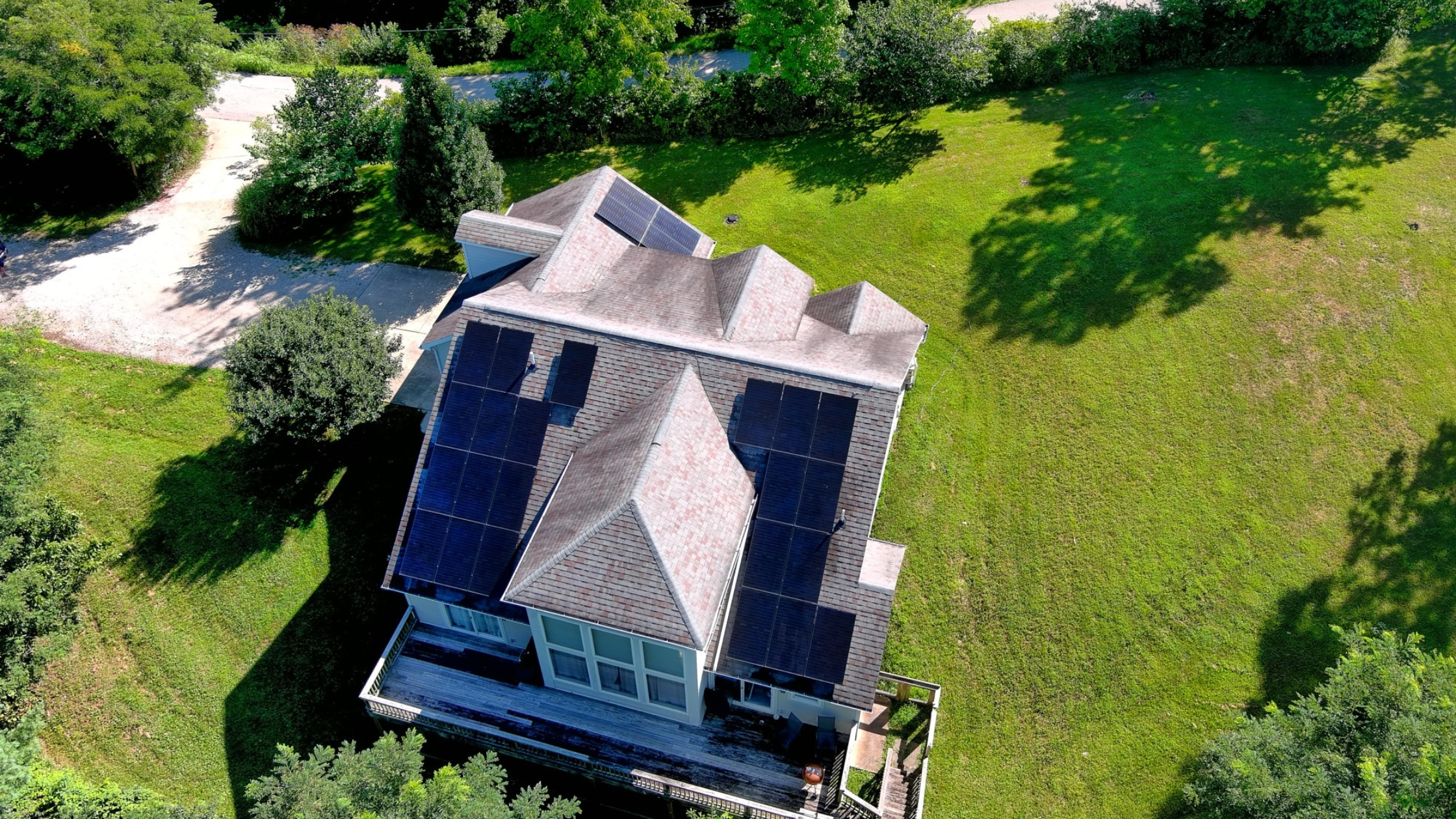
I Already Have Solar. Should I Add More Panels or a Battery? 

Many homeowners install solar based on their energy needs at the time of installation. But things change. 

Perhaps you’ve: 

  • Purchased an electric vehicle 
  • Added a pool or hot tub 
  • Switched from gas to electric appliances 
  • Started working from home 
  • Experienced utility rate increases 
  • Become concerned about power outages 

If your existing solar system isn’t meeting your current goals, you may be wondering whether it makes more sense to add additional solar panels or invest in battery storage. 

The answer depends on what problem you’re trying to solve. 

First Question: Why Are You Considering an Upgrade? 

Before discussing equipment, identify your goal. 

You Want to Offset More Energy Usage 

Signs: 

  • Electric bills have increased 
  • Household electricity consumption has grown 
  • You’ve added major electrical loads 

Potential solution: Additional solar panels 

You Want Backup Power During Outages 

Signs: 

  • Frequent power interruptions 
  • Desire to keep essential loads running 
  • Increased concern about grid reliability 

Potential solution: Battery storage 

You Want Both Savings and Backup 

Signs: 

  • Higher bills and outage concerns 
  • Long-term energy independence goals 

Potential solution:  Additional solar + battery storage 

When Adding More Solar Panels Makes Sense 

For many homeowners, adding more generation is the simplest solution. 

Common Reasons 

You Use More Electricity Than When You Installed Solar 

Examples: 

Your Utility Bill Has Increased 

If consumption has increased beyond what your original system was designed to offset, additional panels may help restore higher energy offset percentages. 

Questions Your Solar Consultant Will Evaluate 

  • Is there available roof space? 
  • Can your inverter accommodate additional capacity? 
  • Has your utility’s net metering policy changed? 

Benefits 

  • Greater energy production 
  • Increased utility savings 
  • Better return on existing solar investment 

When a Battery Makes More Sense 

A battery will store unused solar energy for later use. 

Common Reasons Homeowners Add Batteries 

Backup Power During Outages 

A battery can power critical appliances when the grid goes down, such as: 

  • Refrigerators 
  • Lights 
  • Internet  
  • Medical devices 
  • Well pumps  

Protection From Time-of-Use Rates 

Some utilities charge higher rates during peak demand periods. We’re seeing this in Ohio.  

A battery can store energy when rates are low, and discharge when rates are high. 

Increased Energy Independence 

Many homeowners simply value having access to their own stored energy rather than relying entirely on the grid. 

Benefits 

  • Backup power 
  • Greater energy resilience 
  • Potential peak-rate savings 
  • Better use of solar production 


Situations Where Adding a Battery Alone May Not Solve the Problem 

A battery can only store available energy. 

If your solar array is already undersized for your current usage, a battery may simply store too little energy to make a significant difference. 

In these cases, homeowners may need: 

  • Additional solar capacity 
  • Battery storage 
  • Or a combination of both 

Questions to Ask Before Making a Decision 

Before upgrading your system, consider: 

  • Has my electricity usage increased? 
  • Do I frequently experience outages? 
  • Is backup power important to my family? 
  • Do I have enough roof space for expansion? 
  • What are my long-term energy goals? 
  • How has my utility’s net metering policy changed since my original installation? 


Next Steps 

There isn’t a one-size-fits-all answer to the question of adding more solar panels or installing a battery. The right solution depends on whether your goal is producing more energy, reducing utility bills, maintaining power during outages, or increasing overall energy independence. 

A formal assessment of your current system, utility usage, and future energy needs can help determine which investment delivers the greatest benefit. 
 

Planning Solar for Your New Construction Home

Building a new home is one of the most exciting investments you’ll ever make. For many homeowners, especially those designing a long-term or forever home, it’s also the perfect time to plan for solar energy.  

While there are significant advantages to planning for solar during the design and construction phase, there are also important considerations that homeowners should understand before moving forward.  

Here is a closer look at the benefits, challenges, and information needed to create an effective solar proposal for your new home. 

The Advantages of Planning for Solar During Construction 

Designing your home with solar in mind provides opportunities that simply aren’t available once construction is complete. 

Optimal Roof Orientation 

One of the biggest benefits of planning ahead is the ability to position your roof for maximum solar production. During the design phase, homeowners and builders can work together to ensure the roof faces the most advantageous direction for sunlight exposure. 

Ideal Roof Pitch and Tilt 

Solar panels perform best when installed at specific tilt angles. Building a home from the ground up allows you to select a roof pitch that supports efficient solar energy production while still complementing the home’s architectural style. 

Reduced Shading 

Trees, neighboring structures, and other obstructions can significantly impact solar production. Planning during construction allows homeowners to minimize future shade concerns and maximize available sunlight. 

Fewer Roof Obstructions 

Dormers, plumbing vents, chimneys, and skylights can reduce the usable roof space available for solar panels. During the design process, these features can be strategically located to preserve valuable solar installation areas. 

Coordinated Installation Planning 

When solar is considered early in the project, the builder and solar installer can coordinate conduit pathways and electrical infrastructure before walls and roofing materials are completed. This often creates a cleaner installation and reduces potential future construction costs. 


Challenges of Solar Design for New Construction Homes 

Although there are many benefits to planning ahead, new construction projects present several unique challenges that can impact solar system design. 

No Historical Energy Usage Data 

One of the most important factors in designing a solar system is understanding how much electricity a home consumes. Since new homes do not have utility bills or historical consumption records, designers must estimate future energy usage. 

While online calculators can provide projections, they often have limitations, particularly when estimating large energy loads such as heating and cooling systems.  

As a result, projected energy consumption remains an estimate.  

Utility Company Requirements  

The utility company serving the home plays a significant role in solar system design. 

Ohio has different types of utilities, including: 

  • Investor-owned utilities 
  • Municipal and public utilities 

Each has different requirements related to: 

  • Interconnection 
  • System sizing limits 

Many utilities allow solar systems to generate between 100% and 120% of a home’s annual electric consumption.  

Designing a system beyond those limits may get you penalized.  

Solar Array Size Depends on Available Roof Space 

The amount of solar that can be installed on a home depends heavily on the available roof area. 

To accurately design a rooftop solar array, our consultants need: 

  • Roof dimensions 
  • Architectural drawings 
  • Roof pitch information 

These details allow us to accurately model the system and provide realistic production estimates. 

Battery Backup Design Considerations 

Battery backup systems require a detailed understanding of the home’s electrical infrastructure. 

Because battery systems are designed around specific electrical loads and breaker configurations, key information often isn’t available until later stages of construction when electrical panels and circuits have been finalized. This can make battery system design more complex during the early planning phases. 

Construction Plans Can Change 

Construction projects rarely proceed exactly as originally designed. 

Changes in: 

  • Roof design 
  • Building layout 
  • Equipment placement 
  • Construction schedules 

can all impact the final solar system design. 

Extended construction delays can also affect project timelines and, in some cases, lead to changes in solar project costs if market conditions or equipment pricing shift significantly. 

What We Need to Build an Accurate Solar Proposal 

To provide a preliminary solar design and proposal for a new construction home, several pieces of information are required: 

Roof Information 

Please provide: 

  • A top-down view of the roof 
  • Locations of dormers, chimneys, plumbing vents, and skylights 
  • Roof measurements 
  • Roof pitch 
  • Roof type (asphalt shingles, standing seam metal, etc.) 

Directional Information 

We also need to know which roof section faces south, as southern exposure provides the strongest solar production in Ohio (and much of the United States). 

Builder Plans 

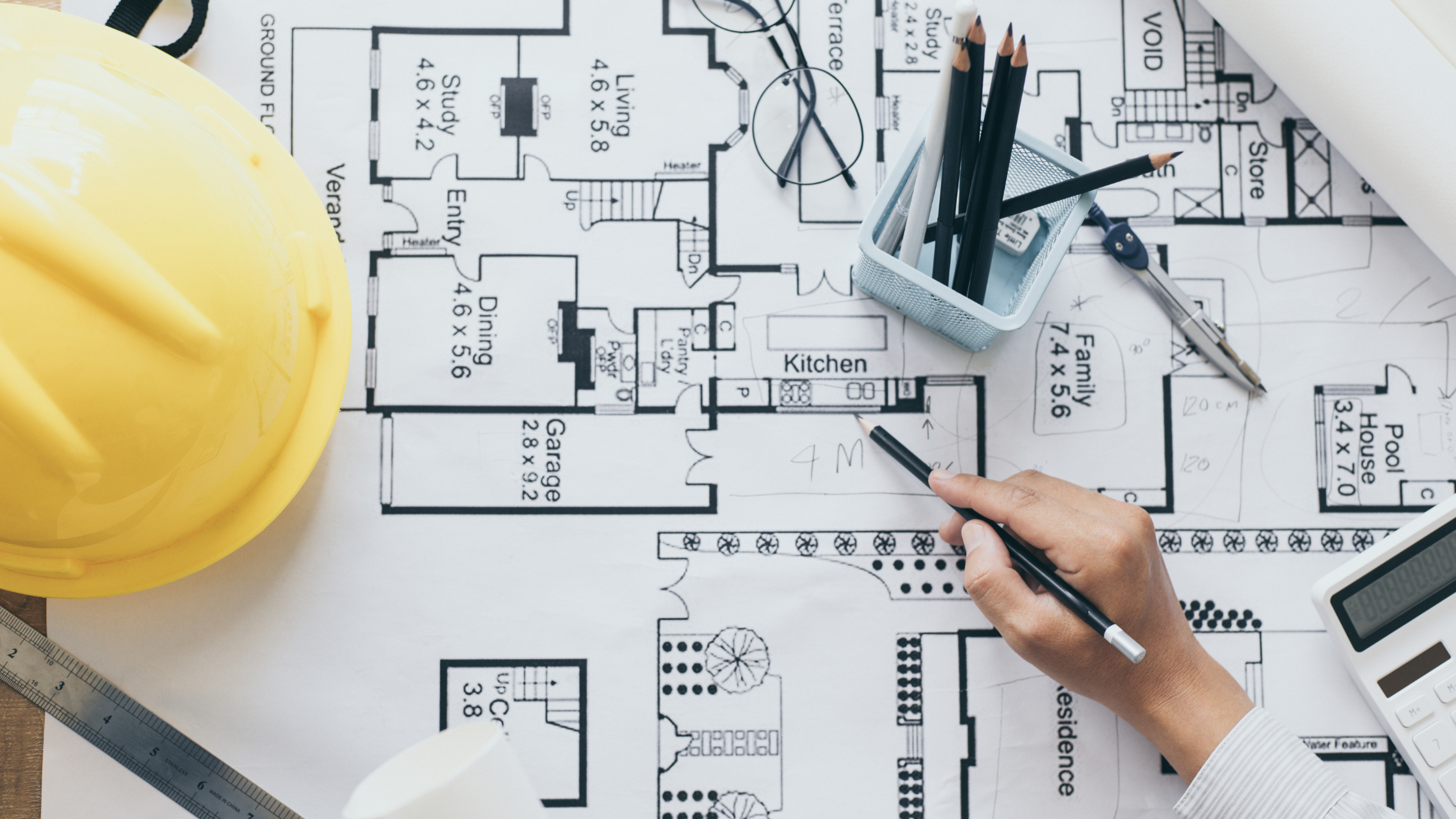
Architectural drawings and site plans help our design team evaluate available installation space and develop accurate renderings of the proposed solar array. 

Standard Solar System Options for New Construction Homes 

In most situations, solar systems are designed to offset approximately 100% to 120% of a home’s annual electricity usage. For new construction homes, however, many major appliances and electrical loads may not yet be installed at the time the solar system is being designed. 

Because of this uncertainty, many homeowners choose from 3 :standard system size” options.  

Our team can help evaluate your home’s size, anticipated energy demands, and future plans to recommend a solar solution that balances upfront investment with long-term energy production. 

Build for the Future 

If you’re building a new home and considering solar, gathering the right information early in the process will help us create an accurate design and provide recommendations that align with your energy goals for years to come. 

Ready to explore solar for your new construction home? Contact Kokosing Solar to discuss standard system options, pricing, and the information needed to begin designing your future-ready energy system. 


Get Started

"*" indicates required fields

This field is for validation purposes and should be left unchanged.
Name*
Address
This field is hidden when viewing the form

Get Started

"*" indicates required fields

Name*
Address*