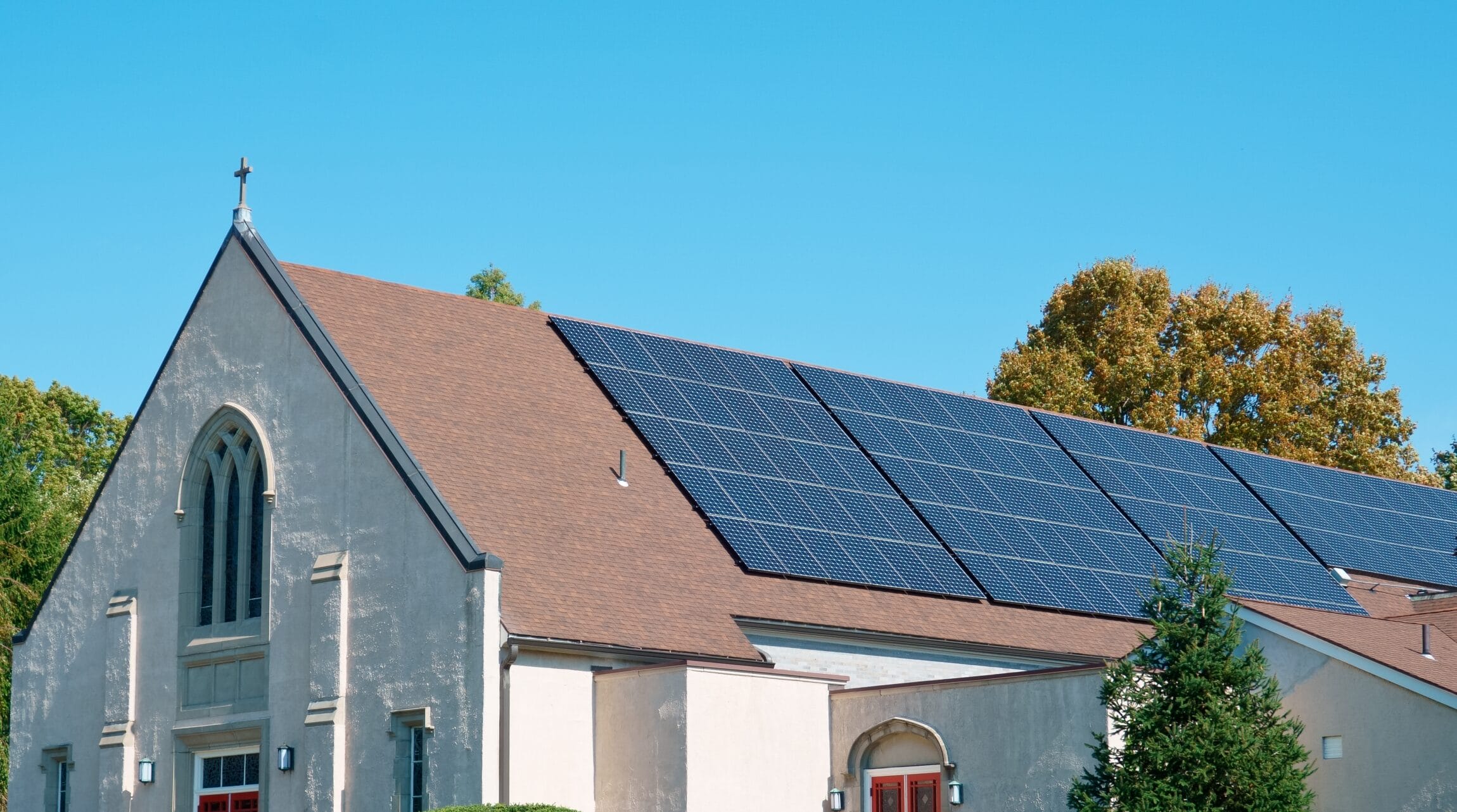
For churches, synagogues, and other religious institutions, every dollar matters. Managing a house of worship with tight budgets means rising energy costs can quietly drain resources that could otherwise support outreach, ministry, community programs, and building improvements. Many religious buildings operate throughout the week, hosting worship services, community events, educational programs, and charitable activities. All of this activity requires electricity, and those utility costs add up quickly.
Solar panels for churches offer a practical solution to this challenge. By generating your own clean energy onsite, your religious institution can lock in predictable energy costs, reduce dependence on utility companies, and redirect savings toward your mission. Solar changes the math completely for places of worship that want to be better stewards of their resources while demonstrating environmental stewardship to their congregation and the wider community.
Why Energy Costs Are a Growing Concern for Houses of Worship
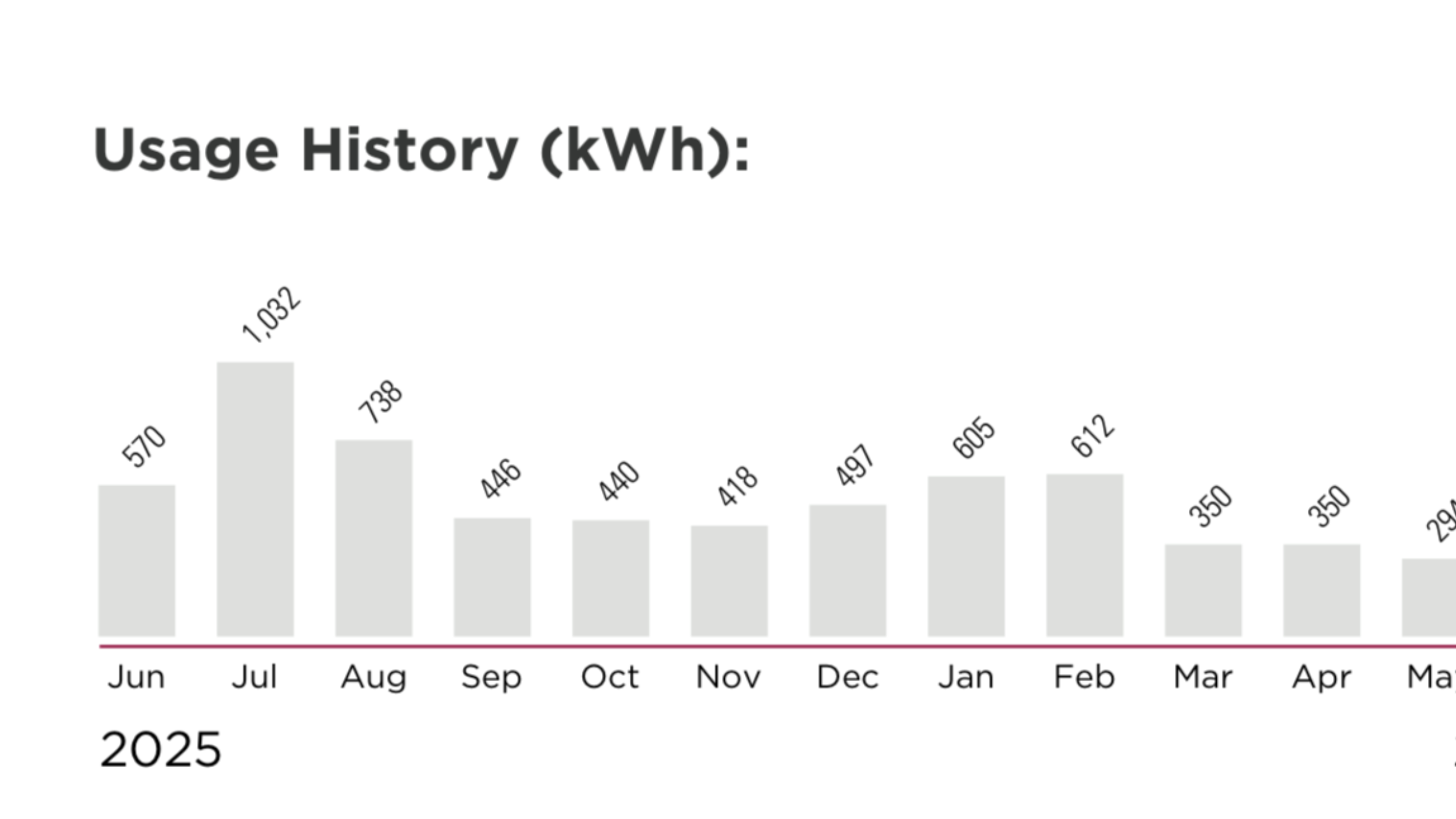
Electricity costs have been rising steadily for years, and there’s no sign of that trend reversing. For houses of worship that operate large church buildings with heating, cooling, lighting, and technology needs, these increases can strain already limited budgets. Unlike businesses that can pass costs onto customers, religious institutions rely on donations and fundraising to cover their expenses.
Every year you continue paying rising electric bills to utility companies, those dollars leave your budget permanently. That money could fund youth programs, support members of the community in need, maintain your facilities, or expand your outreach efforts. The hidden cost of doing nothing adds up over the long term, making it harder to fulfill your mission and serve your faith traditions effectively.
Solar energy offers a way to take control of those costs. Instead of watching your electric bill climb year after year, you can generate your own electricity from a reliable, renewable source. Solar panels produce power from sunlight, a resource that’s free and abundant, allowing you to reduce or even eliminate your dependence on the grid.
How Solar Panels Work for Churches and Religious Institutions
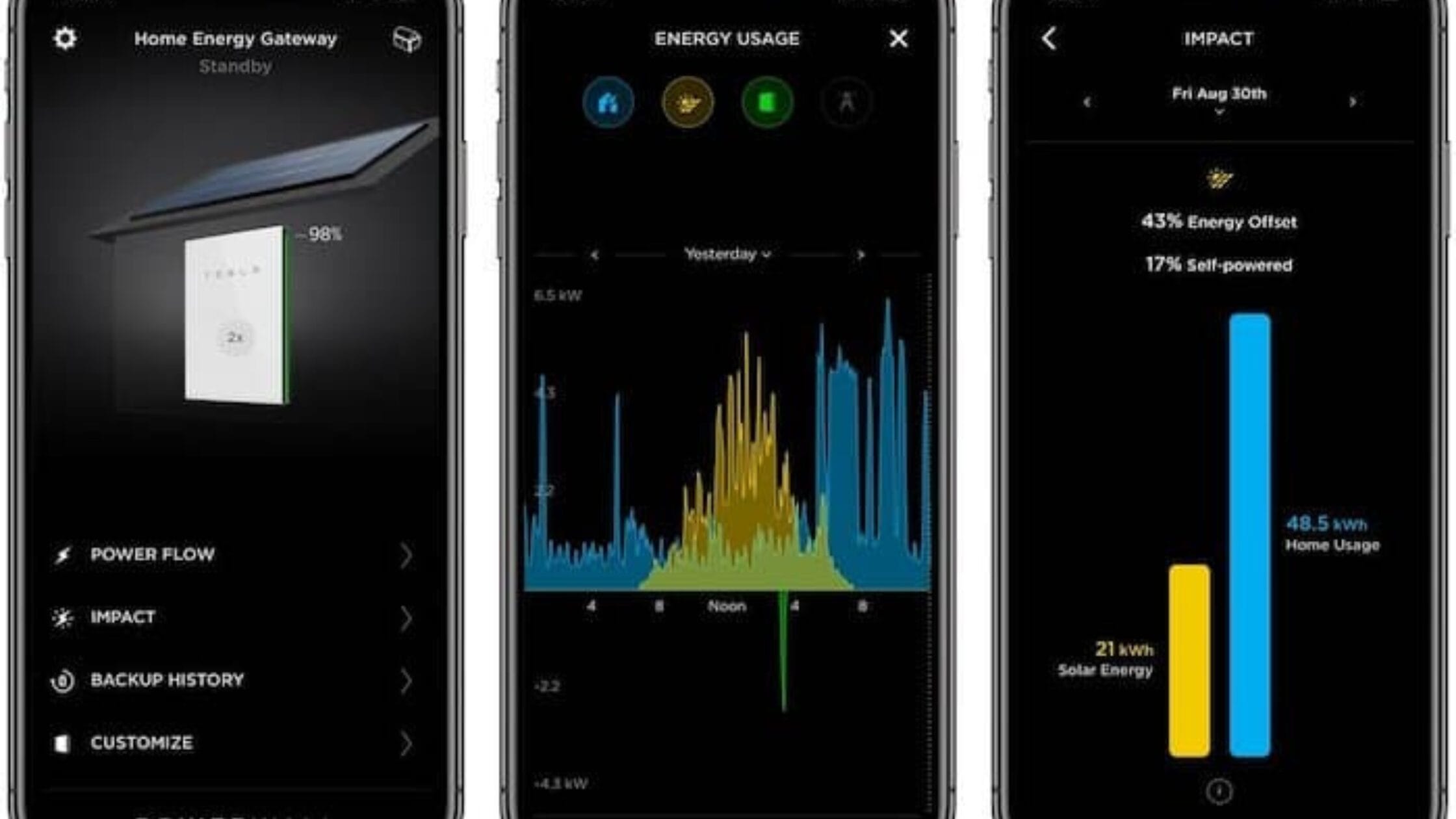
A solar panel system installed on your church building or property converts sunlight into electricity that powers your facility. When the sun is shining, your solar panels generate power that meets your immediate energy needs. Any excess energy can either be stored in battery systems for later use or sent back to the grid, often earning you credits that offset future utility costs.
Solar installation is designed to match your specific energy usage patterns. A professional solar installer will assess your current electricity consumption, evaluate your roof or available land, and design a solar energy system that maximizes your savings. With 25 years of solar expertise, experienced providers like Kokosing Solar bring the technical knowledge and NABCEP-certified installers needed to ensure your system performs reliably for decades.
The process is straightforward. After an initial assessment, your solar solutions provider will handle design, permitting, installation, and connection to the grid. Once your solar panel system is operational, it begins generating power immediately, reducing your reliance on fossil fuels and lowering your monthly energy costs.
Financial Benefits: From Upfront Costs to Long-Term Savings
One of the biggest concerns for houses of worship considering solar is the upfront costs. The good news is that there are multiple pathways to make solar affordable, even for organizations with limited capital budgets.
Power Purchase Agreements
A Power Purchase Agreement (PPA) allows your house of worship to install a solar system with no upfront cost. Under this arrangement, a third party owns and maintains the solar panels, and your organization simply purchases the electricity they produce at a lower, predictable rate. This model has helped thousands of religious institutions go solar without tapping into their building fund or taking on debt.
Direct Pay and Federal Incentives
The Inflation Reduction Act introduced the new federal direct pay option, which is a game changer for tax-exempt organizations like churches and nonprofits. Previously, houses of worship couldn’t take advantage of the federal government’s investment tax credit because they don’t pay federal income taxes. The direct pay program changes that by allowing eligible organizations to receive a direct payment from the federal government equal to the value of the solar tax credit.
This means your religious institution can now access the same financial incentives that businesses have used for years. The investment tax credit, combined with potential bonus credits for certain projects, can cover a significant portion of your solar panel installation costs. Your solar installer can help you navigate these programs and determine your eligibility.
Predictable Energy Costs
Once your solar energy system is operational, you gain long-term protection from volatile electric inflation. Utility costs typically rise 3-5% annually, but solar locks in your energy production at a known cost. Over the 25-30 year lifespan of your solar panels, those savings compound dramatically. Instead of sending thousands of dollars each year to the utility company, you keep those resources in your budget where they can support your mission.
Environmental Stewardship and Community Leadership
Beyond the financial benefits, solar power allows your house of worship to live out values of environmental stewardship and care for creation. Many faith traditions teach the importance of protecting the environment and being good stewards of the resources entrusted to us. Installing solar panels demonstrates that commitment in a visible, tangible way.
Solar energy reduces your carbon footprint and environmental impact by replacing electricity generated from fossil fuels with clean, renewable energy. Every kilowatt-hour your solar system produces is one less kilowatt-hour that needs to be generated by burning coal or natural gas. This helps combat climate change, reduces air and water pollution, and protects human health.
Your decision to go solar also positions your organization as a leader in your community. Members of the community notice when a local institution takes bold steps toward sustainability. This kind of leadership can inspire others to consider renewable energy, creating a ripple effect that extends your impact far beyond your own roof.
How the Solar Shepherd Challenge Multiplies Your Impact
Some solar providers offer programs that allow your congregation to participate in your solar journey. The Solar Shepherd Challenge is one example of how a congregation-wide group solar savings program can spread the impact of your decision from one roof to many. By encouraging members to consider solar for their own homes, you create additional savings opportunities while potentially generating funding that supports your primary solar project.
This approach builds community engagement around renewable energy and gives your members a practical way to participate in your sustainability mission. It’s a great way to multiply the benefits of solar while strengthening the connection between your environmental values and everyday action.
What to Expect from Your Solar Installation Partner
Choosing the right solar installer matters. Houses of worship need a partner with years of experience, technical expertise, and a commitment to quality workmanship. Look for providers with NABCEP-certified installers, internal design capabilities, and a track record of successful commercial solar installations.
Ohio’s longest-standing full-service solar installer brings more than 25 years of solar expertise and is backed by 75 years of construction experience. This combination ensures that your solar panel system is designed correctly, installed safely, and supported for the long term. Providers who stand behind their work offer peace of mind that your investment will deliver reliable performance for decades.
Your solar partner should also help you understand all available financing options, including power purchase agreements, direct payment programs, and traditional ownership models. They should walk you through the financial math, showing you exactly how solar will impact your budget over time.
Taking the Next Step Toward Energy Independence
If your house of worship is ready to explore how solar can support your mission, the first step is simple. Schedule a free assessment with an experienced solar provider who understands the unique needs of religious institutions. During this consultation, you’ll discuss your current energy costs, your facility’s characteristics, and your long-term goals.
You’ll receive a clear analysis of what solar could mean for your budget, including projected savings, available incentives, and financing options. There’s no pressure, just honest information that helps you make an informed decision about whether solar fits your situation.
Every year you wait, the utility bill gets higher. Every year you go solar, those dollars stay in your budget, supporting the work that matters most. Turn the reliable, free energy of the sun into savings that fuel your mission for decades to come.
Ready to learn what solar can do for your house of worship? Contact Kokosing Solar to start the conversation and discover why thousands of religious institutions nationwide are making the switch to solar power.