July brings long days, abundant sunlight, and some of the best energy production of the year. It’s a practical time to check your solar system and confirm you’re seeing the energy output you expected. When performance dips during peak season, the cause is often easier to spot, and the fix can protect long-term energy savings.
Solar changes the math completely, but only when your system operates in good condition. Like any investment, a solar panel system benefits from routine attention. A little upkeep now can help you avoid costly repairs later, preserve your panel warranty, and keep your home or business moving toward clean energy independence.
What “normal” energy production looks like in the summer months
In summer, solar panel output often trends higher because the sun is up longer. However, performance can still vary based on environmental conditions, weather, and system design. Smoke, haze, heavy humidity, and temperature shifts can all affect day-to-day energy output, even when skies look bright.
A good baseline starts with your monitoring app or portal. If you have access to daily or monthly totals, look for patterns rather than single-day changes. Once you know what “typical” looks like for your site, a sudden drop stands out quickly.
Solar panel maintenance: why performance problems show up when the sun is strong
Solar panel maintenance becomes especially valuable in high-production months because the gap between expected and actual solar power can be significant. If a system underperforms in July, you may lose more potential generation than in a cloudier season, translating to lower energy savings and a longer payback timeline.
Regular maintenance also supports long-term reliability. Solar systems are built to last, but they face daily exposure to the elements. Dust, debris, and electrical issues can build quietly over time, so a proactive check is a good idea for anyone seeking optimal performance.
Are you seeing a sudden drop in energy output?
If your monitoring shows a sudden drop, start by confirming it’s not a data issue. Compare today to the same time last week, or compare month-to-date totals year over year if you have that history. Then look for simple site changes like new shade, a dirty array, or a tripped breaker.
If the numbers still don’t make sense, professional inspections can pinpoint potential issues that are hard to see from the ground. A trained solar company can evaluate production data, check solar inverters, and confirm the system is operating as it should.
Inverter display alerts, error messages, or communication problems
Your inverter converts DC power from your solar panel array into usable AC power for your home or business. Many inverters include a display with status lights, error codes, or alerts. If you see warnings, frequent resets, or a system that stops producing, that’s a clear service signal.
Communication faults matter too. If your monitoring drops offline, you may not notice performance losses until the utility bill arrives. Kokosing Solar’s service team can help with error messages, monitoring access, and inverter resets for systems they install, keeping you informed and in control.
Monitoring shows zero production (or missing days)
A monitoring graph that goes flat can point to several causes, including inverter shutdown, electrical issues, or a communication gateway problem. Sometimes the system is producing, but the data isn’t reporting correctly. Other times, the system truly is offline.
Treat “missing production” as a time-sensitive issue in peak season. Each day you wait is a day of lost solar energy and avoidable utility costs. Getting it checked early helps preserve peak efficiency and supports long-term savings.
Dirt, bird droppings, and debris: when solar panel cleaning helps
Some properties rarely need panel cleaning, but others benefit from regular cleaning, especially in dusty areas, near farm fields, or where pollen and debris collect. Bird droppings can block light and create localized hot spots that may contribute to damage over time. Leaves and windblown grit can also reduce clean panels from doing their job.
If you’re considering solar panel cleaning, protect the surface of the panels. Avoid abrasive materials and harsh chemicals. A soft brush and plenty of water are generally safer, and many manufacturers have specific guidelines in their product warranty. Professional cleaning service can be a smart choice when access is difficult or when you want good cleaning without risking the surface of your panels.
Physical damage after severe weather
Hail, high winds, and flying debris can damage racking, wiring, or the solar panel itself. Even if the glass looks intact, hidden issues can show up as reduced output or intermittent inverter faults. After severe weather, a visual check from the ground is a good first step, followed by a professional inspection if anything looks off.
For safety reasons, avoid climbing onto a steep roof to investigate. A licensed electrician or qualified solar installer can inspect connections, ensure the system is safe, and document any issues that may relate to a product warranty claim.
Vegetation growth and new shading
Solar power depends on consistent sunlight. Trees and fast-growing vegetation can shift your shade profile year to year, especially mid-summer when foliage is at its fullest. Even partial shade on one section of an array can pull down production.
If your system once produced well and now trends lower each summer, shading is worth evaluating. A service visit can help confirm whether trimming, array-level troubleshooting, or simple site adjustments can restore optimal performance.
Loose wiring, conduit issues, and other electrical concerns
Electrical issues aren’t always visible, but they can be serious. Signs include repeated inverter errors, flickering production, or monitoring that drops in and out. Outdoor wiring and conduit can also be affected by heat cycles, weather conditions, and critters.
If you suspect loose wiring, don’t attempt DIY repairs. Solar equipment carries electrical risk, and safe troubleshooting is best handled by an experienced team. Kokosing Solar’s in-house technicians perform troubleshooting and repairs for systems they install, backed by decades of solar expertise.
Battery storage warning signs (if you have energy storage)
Battery storage adds resilience and flexibility, but it also adds another component to monitor. Watch for alerts in the battery portal, unusual state-of-charge behavior, or a system that doesn’t operate as expected during outages. Because storage interacts with your inverter and your home’s electrical panel, proper diagnosis matters.
If you see recurring notifications, schedule service sooner rather than later. A clear explanation of what the system is doing helps you get the most from your solar energy system and supports long-term clean energy goals.
What professional solar panel maintenance typically includes
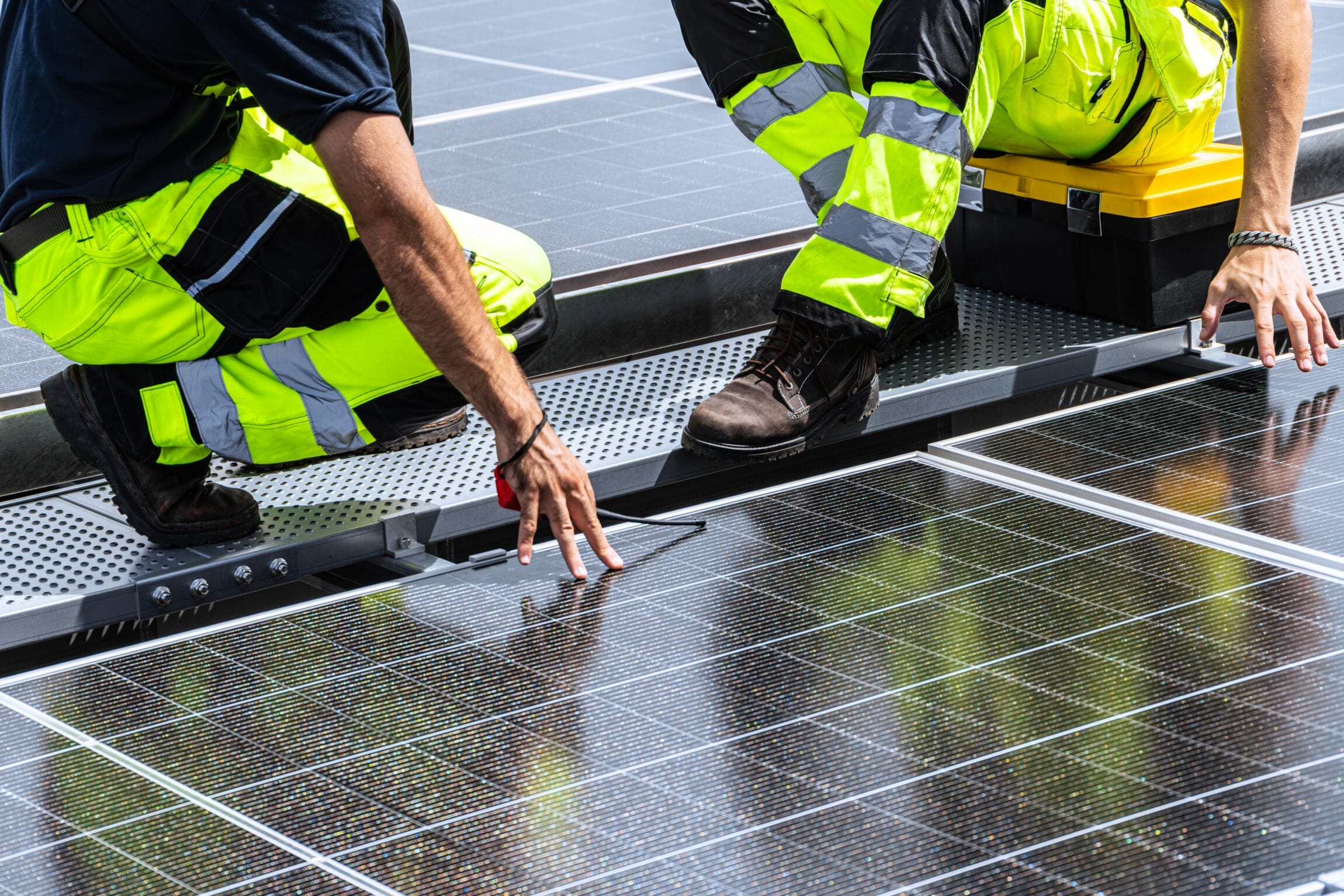
A strong service plan focuses on safety, performance, and documentation. For homeowners, Kokosing Solar offers Solar Service and Maintenance that can include:
- Troubleshooting and repairs by in-house technicians
- Inverter and communication checks
- Warranty support, including help managing manufacturer claims and understanding out-of-pocket labor costs
For commercial sites, Kokosing Solar provides Operations and Maintenance Services designed to protect performance and reduce long-term maintenance costs. Commercial clients can receive project-specific documentation and support such as an Operations and Maintenance manual, warranty management guidance, and performance baseline support.
When should you call a solar company for service?
If you see repeated alerts, a clear drop in output, or physical damage, calling a good solar company early is usually the lowest-stress path. Service also makes sense when access is difficult, such as a steep roof, or when your site sees high dust and frequent debris. Many issues are easier and less expensive to address before they cascade into bigger downtime.
It also helps to understand service availability. Kokosing Solar currently cannot service projects or systems that weren’t installed by Third Sun Solar or Kokosing Solar due to high volume. If Kokosing Solar was your original installer, your service request stays with the team that knows your system best.
Protecting your ROI: simple math that makes maintenance a good idea
Solar is a long-term investment. When production is lower than it should be, the “hidden cost of doing nothing” shows up as energy you could have produced but didn’t. If a system is offline or underperforming during high-production months, the lost solar energy can add up quickly.
Think of it this way: your system has a limited number of prime sunny hours each year. Professional maintenance helps you capture more of those hours, sustain peak efficiency, and maintain peace of mind that your equipment is working as designed.
Ready to confirm your system is delivering optimal performance?
If your monitoring looks wrong, your inverter display is showing alerts, or you suspect dirt, damage, or electrical issues, it’s worth getting a professional opinion. Kokosing Solar brings 25+ years of solar experience and 74 years of construction experience, with NABCEP-certified installers and licensed electricians on an in-house team. We stand behind our work with a 20-year workmanship warranty on systems we install, and we support manufacturer warranty processes when equipment issues arise.
Schedule a service assessment with Kokosing Solar and run the numbers with a team that prioritizes clarity, safety, and long-term performance.