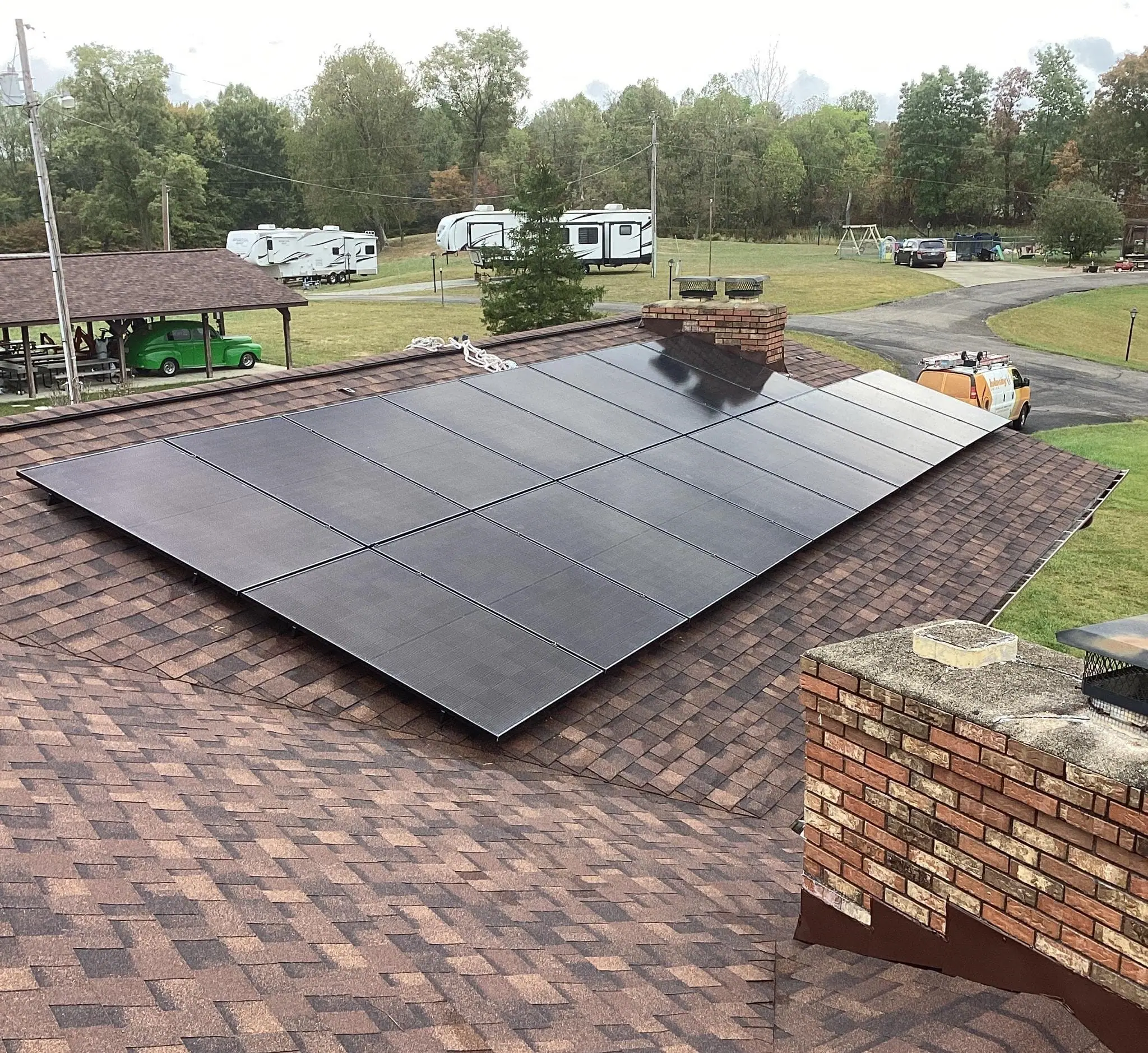
Does Solar Increase My Home Value?


Solar Increases Home Value, Key points:

  • Solar panels can increase your home’s value and lower your electricity bill
  • Zillow found in 2019 that solar panels add 4.1% on average to a home’s resale value
  • When we interview solar homeowners, we find that investing in resale value was a key consideration when they chose to go solar


Zillow + Solar Findings

In 2019 Zillow published a report stating that homes with solar energy systems sold for 4.1% more than comparable homes without a solar system during that year.

The percentage varies when you focus on different cities across the U.S., but on average, in the United States, homes with solar sold for 4.1% more than comparable homes without solar. According to Zillow, this means solar increases home value by $9,274 for the median-valued home in the U.S.

Why? Homes with solar energy systems can provide sizeable future energy cost savings. As energy prices go up and energy consumption increases in a home (a growing family is one example), buyers understand the value. They are willing to spend a little more money upfront.

Personal preferences play a role too. Homebuyers are increasingly energy conscious – for environmental and financial reasons alike.

People go solar with resale value in mind

When we interview our customers, we find that investing in resale value was a key factor when they chose to go solar.

Some of our customers are not sure that they will be in their home for the 30+ lifespan of the solar energy system. Therefore, they need to consider the benefit of the investment translated into home value.

Changing mindsets of solar power homeowners

In recent years the motivations for going solar among homeowners has widened quite a bit.

Those seeking energy savings and control are now right up there with the environmentally motivated.

As our current utility infrastructure ages, it becomes more and more expensive to maintain. Those costs are passed along to ratepayers. Over time, these rates have proven to be costly and unpredictable.

Control is another significant aspect of choosing your energy supply. Knowing how much you’re going to pay every month is increasingly essential. If you’re on a budget or fixed income, this predictability is critical.

Buyers know that stands out. The increasing awareness of the value of solar energy works in favor of the seller. Solar energy systems help a home stand out in a crowded market. If your home can save the buyers $200 per month in electricity bills – that’s $2,400 in the first year alone. That’s not something the majority of sellers can offer.

We work with our client’s buyers all the time

When a home is solar with a Kokosing Solar energy system, we work with the new homeowner to switch accounts and complete all necessary permitting and paperwork. It’s part of our white glove customer service.

If you’re considering solar and contemplating a future move, we recommend you do it. Between taking advantage of decreasing incentives, immediate energy savings, lowering your carbon footprint, and increasing the value of your home, there has never been a better time.

Will your solar-powered home help you stand out to the homebuyers of the future? We think it will.

Now that you understand how solar increases a home’s value, Sign up for a Free Solar Evaluation for your home today!

Kokosing Solar Installs Ground-Mounted Solar Array at the Columbus Zoo and Aquarium

In the fall of 2020, Kokosing Solar installed a ground-mounted solar array as part of a larger microgrid installation at the Columbus Zoo and Aquarium.

From the beginning, Kokosing Solar worked closely with Worley and Claypool Electric to design and present a microgrid solution to the Columbus Zoo and American Electric Power (AEP). After many meetings and presentations, the group was a finalist and ultimately awarded this project through a competitive selection process.

A microgrid is a grouping of electrical loads that are normally connected to one grid but can also disconnect to an “island mode” where it functions independently. When on “island mode,” the microgrid at the Columbus Zoo and Aquarium will be powered by solar and battery systems.

The 134.4 kW ground-mounted solar array, designed and installed by Kokosing Solar, provides power to the microgrid system. Worley contracted Kokosing Solar to construct and design the solar portion of the array. Worley designed and engineered the battery energy storage system, and Kokosing Solar partnered with Claypool Electric to build and install the entire system.
The ground-mounted solar array powers an extensive battery system behind the meter of the Polar Frontier complex. The energy from the solar panels is used in the batteries and helps to power a portion of the polar bear exhibit, and the entire system works like a backup generator, providing renewable energy when needed.

A Groundbreaking Project

AEP Ohio is a subsidiary of AEP and commissioned the microgrid project. The microgrid at the Columbus Zoo and Aquarium is the first of its kind for the company. The microgrid is a “demonstration” system that will allow AEP Ohio to monitor the applications and functions of a microgrid at this scale.

AEP Ohio will learn how independent, customer-sited, behind-the-meter microgrids can help the customer and the utility grid alike. In addition to AEP Ohio, utilities across the country will be eager to understand the value the microgrid provides.

Kokosing Solar is proud to be a partner in this innovative project, in collaboration with Claypool Electric, Worley, and AEP Ohio.

More about Kokosing Solar

Kokosing Solar is Ohio’s leading full-service solar installation company, providing top-quality design and installation since 2000, serving residential and commercial clients in Cleveland, Cincinnati, Columbus, and beyond.

More about Worley

WorleyParsons Limited, branded as Worley after completing Jacobs’ Energy, Chemicals & Resources division, is an engineering company that provides project delivery and consulting services to the resources and energy sectors and complex process industries.

More about Claypool Electric

Claypool Electric, Inc. is the preferred provider of electrical and communications infrastructure projects in Central Ohio. Family-owned since 1954, they have maintained a reputation for excellence in the craft and integrity in dealings.

Energy Efficiency Home Maintenance Calendar

Having an energy-efficient home means you are using less energy to do the same jobs. Using less energy is better for the environment and better for our wallets.

Like a regular check-up for your health, maintaining a home maintenance routine is essential for every house’s upkeep. Our Home Maintenance Calendar has an energy efficiency focus.

If you plan to go solar eventually, there is an added benefit in greening your home before going solar.

If you already have solar, completing additional energy efficiency measures can help you maximize your solar system and increase your return on investment!

Spring

  • Change your air conditioner filter – a dirty air filter causes the blower fan in the HVAC system to work harder to push air through. When it’s working harder, it’s drawing more energy, leading to higher bills. Replacing a dirty, clogged filter with a clean one can lower your air conditioner’s energy consumption by 5% to 15%!
  • Trim trees – If your property has any trees, have them inspected by a certified arborist, who can check for signs of illness or any dead branches and catch problems before they escalate and kill a tree. If you have a solar energy system, identify limbs that may be shading your solar array. Plan to have those limbs cut back.
  • Check for signs of critters nesting around your solar panels – Neighborhood animals are prone to nesting underneath roof-mounted solar panels. Many of our customers avoid the issue with the use of critter guards. If you don’t have critter guards surrounding your solar panels, you’ll want to check for any signs of life that may pose a threat to the solar array.
  • Get your clothesline ready – air drying your clothes in the sun adds nothing to your utility bill!

Summer

  • Have air conditioner checked and servicedRegular A/C maintenance can extend your unit’s life and may reduce the need for costly A/C repairs. And, resist setting the air conditioner thermostat lower than usual to cool your house quickly!
  • Switch out faucet aerators – for low flow to reduce summertime water usage.
  • Clean your solar panels (only if needed!) – solar panels that are clean ensure solar installations generate optimal electricity. All panels are designed for minimal maintenance; however, dust, pollen, leaves, and other contaminants often find their way onto the panel and soil the surface. For complete instructions, click here.

Fall

  • Seal cracks and gaps in windows and doors with caulk or weather stripping; replace if necessary.
  • Swap old, drafty windows for more energy-efficient models.
  • Schedule an HVAC inspection in early fall before the heating season begins.
  • Wrap insulation around outdoor faucets and pipes in unheated garages.
  • Swap lightbulbs for LEDs – Heading into shorter daylight hours means you’ll be using the lights in your home even more. LED bulbs to use about 75%–80% less energy than traditional bulbs. Changing out 5 of your most frequently used bulbs for LEDs could save you up to $75 annually.
  • Consider new attic insulation for the wintertime – If you have an unfinished attic, consider adding insulation. Adding insulation is the most accessible place to reduce your energy costs. To judge whether you need more insulation in your attic, measure the thickness of the insulation there. If it’s less than 6 inches of fiberglass or 5 inches of loose cellulose, it’s time to add more!

Winter

  • Add a hot water blanket to your water heater – insulating a water heater that is warm to the touch can save you 7 – 16% on your water heating bill annually!
  • Add an attic staircase cover – In many homes, poorly insulated and leaky attic access stairs provide an opportunity to improve comfort and save energy and money. You can air seal and insulate the attic stairs opening by building your own insulated cover box or purchasing a kit or pre-built package.
  • Add a few energy-saving power strips
  • Slow the escape of heat through glass windows – hang insulating curtains or draperies in front of windows to reduce the heat loss, especially at night
  • Prepare for a storm – Consider solar battery backup if your home is prone to power outages or if you have critical appliances that need electricity in the event of a grid failure.

"*" indicates required fields

This field is for validation purposes and should be left unchanged.
Name*
Address*

Leadership Transition Announcements

If we’ve learned anything over the years — it’s to embrace change.

Change is inevitable.

As springtime sets in, we’re reminded how much change we see every year. Trees start to bud, bulbs that have been sleeping under the surface come to flower, gardeners start planting in their gardens.

In the solar installation world, springtime means more calls from homeowners who see the long daylight hours and are reminded of their solar energy ambitions.

This Spring Third Sun Solar is experiencing not just the normal changes that the season brings, but some new ones too!

This month longtime CEO and co-founder Michelle Greenfield is transitioning out of her position as CEO and moving to her new role as part time operator and co-owner.

We’ve always been inspired by Michelle for being a change-maker.

In addition to co-owning and managing Third Sun Solar for over 20 years, Michelle served on the board of Green Energy Ohio for 11 years and was the president for 2 of those. She helped organize and is a current Board Member of the Clean Energy Credit Union, which has quickly grown to be a $20 million credit union with over 3000 members across the country. She initiated and executed the certification process for Third Sun Solar to become the 3rd Certified BCorporation (BCorp) in Ohio in 2012. As you can imagine, the list goes on…

And for other folks at the company – we’re proud to see them continue their growth path into new roles.

Company Founder and Co-owner Geoff Greenfield has always been known internally as our Chief Visionary Officer. We are excited to see his visionary spirit guide the company in his new title of CEO.

We’re ALSO pleased to announce that our Controller and General Manager Roberta Washburn now moves into the position of Chief Operating Officer. As COO, she will help guide the company alongside Geoff.

“The solar energy industry is heating up,” Roberta says, “Between infrastructure change, job growth, and shifting economies, there is a lot of work to be done. As the industry continues to rise, so will Third Sun Solar. Expect to see more of us in more places around the region soon.”

Congratulations to Michelle on her new chapter, and to our new Executive Leadership Team.

We know that there is BIG growth and change on the horizon. And Third Sun Solar is ready.

[av_gallery ids=’8002,8003′ style=’thumbnails’ preview_size=’portfolio’ crop_big_preview_thumbnail=’avia-gallery-big-crop-thumb’ thumb_size=’portfolio’ columns=’2′ imagelink=’avianolink noLightbox’ lazyload=’avia_lazyload’ av_uid=’av-2qt20e’ admin_preview_bg=”]

Women In Solar – Celebrating Women’s History Month

Third Sun Solar’s third hire was Cathy Gielty.   

In 2004 Cathy was living in an off-grid cabin in eastern Ohio. She had a background in environmental sciences, education, and an ethos to use less.  

When she applied to Third Sun Solar, so much of her background, education, mission, and values were in sync with the way Third Sun wanted to operate and grow. At that time, we knew that hiring mission-aligned allies would serve us well over time.    

And we weren’t wrong. Sixteen years later, Cathy remains the longest-standing employee at Third Sun Solar.    

She’s a dedicated Compliance & Accounting Manager and knows the company’s systems’ ins and outs better than most.     

Like Cathy, folks employed by Third Sun Solar share our core values of service, drive, reliability, and growth. Cathy is just one of many women at Third Sun Solar.  

March is Women’s history month, and this month we have been celebrating the Women in Solar here at Third Sun Solar, who are creating history in their roles in the solar revolution.   

And we aren’t just going to call out Cathy (even though Cathy is fantastic).   

Cheers to Women in Solar!  

Believe it or not – in the solar space, women are vastly underrepresented! According to a 2018 Solar Energy Industries Association report, women in solar makeup 26% of the workforce, compared to the US workforce overall, where they represent 47%    

And when you look closely, women often make up even less of the engineering, design, and installation teams in solar companies.   

We want to highlight our women in solar. Maybe they can serve as role models for young women interested in entering solar STEM or a technical career!   

Michelle Greenfield – Co-Founder and Owner/Operator   

For the past 20 years, Third Sun Solar founder and CEO Michelle Greenfield contributed tirelessly to solar advancement. These contributions include the increased participation & contributions of women in the solar field. Her leadership can be seen in many areas, as a contractor, policy advocate, and educator. Over the years, Michelle’s leadership has had a ripple effect. Her work has opened doors and driven female participation across the industry.     

This year Michelle was recognized as a top 100 Women Leaders – Real Women in Impact.   

As Michelle reflects on “building the architecture of the solar coaster,” – check out this video that covers a lot of that history – milestones, lessons learned, and how the solar field has developed in Ohio.   

Kathryn – Solar Assistant Designer   

Assistant Solar Designer, Kathryn Biggler. She’s a whiz at designing residential solar systems & is a Tesla Powerwall Pro.   

When Third Sun Solar become a Tesla Powerwall Certified Installer in 2019 – Kathryn made it her mission to understand the ins and outs of this exciting, complicated, brand new technology. She knew this was important for the service of our customers and the service of other team members.  

Now anyone with a question about Tesla Powerwall (or solar batteries anything) comes straight to Kathryn.   

Jamey –  Solar Consultant 

Jamey’s 13 years of experience with Third Sun Solar qualifies her to answer any solar question you may have. She has had the pleasure of helping over 350 homeowners install solar while continuing to assist individuals daily in their solar journey.  

What motivates Jamey: knowing that her job is positively contributing to our green energy future 

“I love EARTH. Green, deciduous forest, cave, flora and fauna, waterfall, pond, bug, and animal earth. This is home. The place all living things share & the gift I feel compelled by a force beyond myself to protect. When Third Sun Solar advertised for an office administrator position 11 years ago, I jumped at the chance to apply.” Jamey says, “I saw this as an opportunity to create a career that aligned with my personal values. At the time, I knew nothing about solar except that solar was green and cool. But, I liked the way solar panels looked.”  

Not everyone comes to Jamey liking the way solar panels look, but at this point, she can make them look good to just about everyone.   

Find more of our women in solar this month on our social media pages. We’ll introduce you to more inspiring women. We hope you’ll follow along!   

Residential Project Assistant Manager

About the Business

At Third Sun Solar, we are here to serve by creating business as a force for good and making the planet a better place. Our teams are serving our customers, each other, the community, and stakeholders, which ultimately shows in the genuine pride our team takes in delivering the very best solar solutions.

We are reliable. Our team is filled with dependable, honest, and reliable people. We keep our promises and strive to do it right the first time.

Our team is driven. We are passionate about solar, and that shows in every project that the Third Sun Solar team completes. The team does what it takes to ensure the finest system and the best customer experience, and we take pride in our dedication in doing things right.

Third Sun Solar values growth. We have been in business for over twenty years and we have a bright future ahead. Our hunger for knowledge and continuous improvement keeps us at the top of our ever-evolving industry. Our staff are on the pulse of cutting-edge solar advancements. We strive for greatness and are not satisfied with the status quo.

Not only do we operate our team with a clear mission and values, we are a certified B Corporation. That means we operate with a triple bottom line commitment to people (our employees and their families, our clients and residents of the communities where we do business), the planet (we appreciate the wonders of nature and believe that a habitable plant is worth fighting for), and profit (generating capital to keep increasing our impact and revenue to share among our team and partners).

We are a talented team of electricians, crew, project managers, engineers, finance, supply chain, permitting, and veteran community members, who are all excited about crafting beautiful solar systems to enable our communities to power their lives with clean energy.

Third Sun Solar is committed to providing our staff with competitive wages, health care benefits, travel expenses, paid holidays, vacation, and a caring, flexible, vision and value-oriented work environment.

Are you interested in joining an established team? We are hiring a Residential Project Assistant Manager for our Athens, Ohio office.

Job Description & Responsibilities

The Residential Project Assistant Manager will be part of the Operations Team and will manage small residential projects from inception through installation and commissioning of Solar PV System.

Primary Responsibilities

  • Nurtures the created culture of success and execution of a purpose-driven and values-based organization to successfully lead, manage, and be accountable for company projects
  • Project Manages the successful installation of small residential projects
  • Coordinates with operational units to ensure plan sets, permits, materials, installation crew, electricians, utilities, permitting agencies, subcontractors, and customers are ready for each install
  • Creates bill of materials for each job and provides to procurement team
  • Works with engineering to ensure that plan sets are accurate and delivered in the timeframe that allows for permitting and material ordering
  • Ensures that all inspections are successfully completed, customers system is commissioned, and working as deemed in the customer contract
  • Ensures that all projects are completed utilizing Third Sun Solar’s Safety policy and procedures
  • Delivers white glove treatment to all customers promoting the highest level of quality with customers, employees, vendors, and community
  • Reports against Key performance Indicators and metrics that are set forth to measure
  • Accountable for maintaining a profitable operation that results in meeting the target budgets of each project, by reviewing each project you are assigned on an ongoing basis and making necessary adjustments
  • Works with many of the company’s computer software such as project management, Auto Cad, and the full Microsoft Suite

Job Qualifications

  • Associates Degree, certificate in construction, or solar preferred
  • Experience in solar, construction, or an engineering related industry
  • Previous project management experience in a construction or solar environment
  • Be able to work in a flexible, “roll up your sleeves” and dynamic work environment
  • Computer Skills: Must be highly proficient with Microsoft Suite and experience using Project Management Software that includes the usage of Gantt charts, and Auto Cad
  • Has the ability to provide internal and external customer service in accordance with the culture and values of the company
  • Experience reading blueprints
  • The ability to provide construction costs and times estimating to commercial and residential projects
  • Excellent written and verbal communication skills, along with the ability to apply advanced mathematical concepts and advanced reasoning abilities to problems and data and leadership

Work Location

  • Athens, Ohio

Benefits

  • Health insurance
  • Dental insurance
  • Vision insurance
  • Life insurance
  • Paid time off
  • Flexible schedule
  • IRA Retirement Account

To Apply

If you’re interested in learning more about working with us, please send us an email letting us know what you are great at and why we would be better with you on our team: [email protected]

Third Sun Solar is an equal opportunity employer and does not discriminate against otherwise qualified applicants on the basis of race, color, creed, religion, ancestry, age, sex, marital status, national origin, disability or handicap, or veteran status.

Commercial Project Manager

About the Business

At Third Sun Solar, we are here to serve by creating business as a force for good and making the planet a better place. Our teams are serving our customers, each other, the community, and stakeholders, which ultimately shows in the genuine pride our team takes in delivering the very best solar solutions.

We are reliable. Our team is filled with dependable, honest, and reliable people. We keep our promises and strive to do it right the first time.

Our team is driven. We are passionate about solar, and that shows in every project that the Third Sun Solar team completes. The team does what it takes to ensure the finest system and the best customer experience, and we take pride in our dedication in doing things right.

Third Sun Solar values growth. We have been in business for over twenty years and we have a bright future ahead. Our hunger for knowledge and continuous improvement keeps us at the top of our ever-evolving industry. Our staff are on the pulse of cutting-edge solar advancements. We strive for greatness and are not satisfied with the status quo.

Not only do we operate our team with a clear mission and values, we are a certified B Corporation. That means we operate with a triple bottom line commitment to people (our employees and their families, our clients and residents of the communities where we do business), the planet (we appreciate the wonders of nature and believe that a habitable plant is worth fighting for), and profit (generating capital to keep increasing our impact and revenue to share among our team and partners).

We are a talented team of electricians, crew, project managers, engineers, finance, supply chain, permitting, and veteran community members, who are all excited about crafting beautiful solar systems to enable our communities to power their lives with clean energy.

Third Sun Solar is committed to providing our staff with competitive wages, health care benefits, travel expenses, paid holidays, vacation, and a caring, flexible, vision and value-oriented work environment.

Are you interested in joining an established team? We are hiring a Commercial Project Manager for our Athens, Ohio office.

Job Description & Responsibilities

The Commercial Project Manager will be part of the Operations Team and will manage commercial projects from large to small scale from inception through installation and commissioning of Solar PV System.

Primary Responsibilities

  • Nurtures the created culture of success and execution of a purpose-driven and values-based organization to successfully lead, manage, and be accountable for company projects
  • Project Manages the successful installation of large to small scale commercial projects
  • Coordinates with operational units to ensure plan sets, permits, materials, installation crew, electricians, utilities, permitting agencies, subcontractors, and customers are ready for each install
  • Creates bill of materials for each job and provides to procurement team
  • Works with engineering to ensure that plan sets are accurate and delivered in the timeframe that allows for permitting and material ordering
  • Negotiates contract, scheduling, and planning for all subcontractors
  • Ensures that all inspections are successfully completed, customers system is commissioned, and working as deemed in the customer contract
  • Ensures that all projects are completed utilizing Third Sun Solar’s Safety policy and procedures
  • Delivers white glove treatment to all customers promoting the highest level of quality with customers, employees, vendors, and community
  • Reports against Key performance Indicators and metrics that are set forth to measure
  • Accountable for maintaining a profitable operation that results in meeting the target budgets of each project, by reviewing each project you are assigned on an ongoing basis and making necessary adjustments
  • Provides accurate schedule and capacity forecasting plan
  • Creates, updates, and trains on processes as it relates to project management and the impact to the operational team
  • Works with many of the company’s computer software such as project management, Auto Cad, and the full Microsoft Suite

Job Qualifications

  • Associates Degree required. Certificate in construction or solar preferred
  • Experience in solar, construction, or an engineering-related industry managing contractors
  • Successful track record of project management in large scale commercial work
  • Proven track record on building and managing projects within their forecasted budgets
  • Highly proficient in the use of analytics for operations, and trend analysis
  • Be able to work in a flexible, “roll up your sleeves” and dynamic work environment
  • Computer Skills: Must be highly proficient with Microsoft Suite and experience using Project Management Software that includes the usage of Gantt charts, and Auto Cad
  • Experience working with customers and in the formal construction bid, subcontractor bids, and request for proposal process
  • Professional experience in the private sector and government contracting, not required, but ideal
  • Has the ability to provide internal and external customer service in accordance with the culture and values of the company
  • Experience reading blueprints
  • The ability to provide construction costs and times estimating to commercial and residential projects
  • Excellent written and verbal communication skills, along with the ability to apply advanced mathematical concepts and advanced reasoning abilities to problems and data and leadership

Work Location

  • Athens, Ohio

Benefits

  • Health insurance
  • Dental insurance
  • Vision insurance
  • Life insurance
  • Paid time off
  • Flexible schedule
  • IRA Retirement Account

To Apply

If you’re interested in learning more about working with us, please send us an email letting us know what you are great at and why we would be better with you on our team: [email protected]

Third Sun Solar is an equal opportunity employer and does not discriminate against otherwise qualified applicants on the basis of race, color, creed, religion, ancestry, age, sex, marital status, national origin, disability or handicap, or veteran status.

Solar Panel Installation – Common Questions

Solar Panel Installation is a hot topic in 2021. The solar investment tax credit has been extended. Prices have come down. But, shopping for solar isn’t always easy. We know you want products that make sense: economic sense, practical sense, aesthetic sense. You want to do your part but have concerns about payback and warranties. The last thing you want is a solar system that doesn’t do what you’re told it would. You want reliable products that last a lifetime, products with long warranties, and a solar installer that you can trust.

Signing up for a solar evaluation can feel like a big step. To take some of the pressure off, we’ve compiled a list of our most frequently asked questions of 2020. Hopefully, some of the questions you have will be answered. And maybe having those answers will help you determine your next step in the solar journey.

What are the current incentives for solar?

In 2021 solar buyers will receive 26% back from their system’s full turnkey cost. Solar projects constructed in 2020, 2021, or 2022 are now eligible for the full 26% ITC.

Solar projects constructed in 2023 will be eligible for a 22% tax credit. After 2023, there will be no tax credit for residential solar panel installation. Commercial-scale solar projects will be eligible for a 10% tax credit from 2024 onwards.

In 2021 Third Sun continues to offer homeowners the option of going solar for $0 down at install. In addition to that, we are excited to offer our customers the option of going 12 months with no solar payment.

Solar stimulus? Additional incentives? Special solar incentives in Ohio? Special solar incentives in my community? Unfortunately, no. You’ve likely seen Facebook advertisements that make these claims. We aren’t fans of ads like those. We believe in relationships and want to earn your trust. Our work style is collaborative and our goal is to please you. We’ll start on the right foot by explaining all of the available solar incentives in Ohio clearly and transparently.

How Does My System Interact With the Grid?

When a solar-powered home is connected to the grid, you will store the excess power you create in the utility grid. The grid is like a big battery, which you charge when you have excess power and take energy from when you need more. In most cases, the utility company credits you for the extra power you produce (net-metering) and allows you to pull from the grid when you need it.

If I get a solar panel installation, will I sever ties with my utility?

Cutting ties with the utility company sounds so satisfying. A lot of folks come to us eager to sever their ties with the utility entirely. We get it. We really do.

The truth is that most of us are already tied in, and the efficiencies and economic benefits you get through net-metering outweigh the benefits of severing the tie completely. So, our recommendation is: always stay connected to the grid if you’re tied in now.

How am I credited for the excess power I produce?

Net-metering allows you to store the energy you produce in the electric grid in the form of credits. When you produce more energy than you need, excess electricity travels back into the power grid. Energy sent back into the grid goes to power your neighbors’ homes. The State of Ohio requires that the utility company credit you for the energy you produced and send along. These credits appear on your monthly electric bill to help you keep track.

When your solar system is producing more than the energy you are using during sunny summer months, you bank up credits. During the winter months, your home uses more energy than your solar system produces, and you use up the credits you’ve earned.

You will be charged for the energy you use from the traditional electric grid (when your solar panels aren’t producing). You can pay for that extra energy using the credits you accrue during times your solar system produces more energy than you are using.

Read more about net metering here.

What happens during a power outage?

During a blackout, the utility sends out repair crews to find and fix failure points. Linemen and women will be jeopardized if a local power generator (like a solar array) leaks power onto the grid lines. Therefore, utility rules mandate that solar arrays must automatically shut down in the event of a power outage. Solar panel installations have detectors that automatically shut down when they sense an outage to protect utility workers.

Grid-tied solar systems with battery backup are ideal for anyone with unreliable power or anyone with appliances that wish to operate when the grid is down or anyone. This type of system ensures you have reliable access to electricity. And if the grid is down for a long time, a battery tied to a solar energy system will recharge using the energy you generate on-site. Additionally, this type of system allows you to use more of the solar energy you produce, minimizing your reliance on your utility, making your home truly self-reliant.

Panel Placement

When is a roof-mount the best option?

We’ve found over the years that roof-mounted solar systems are best for most homes. Most homes have the available roof space for the solar system. The roof provides an optimal location, tilt, and surface for a solar panel installation.

When should I consider a ground-mount?

There are some excellent reasons that a homeowner may choose a ground-mounted array over a roof-mounted array. Here are a few different reasons:

  • Shade prevents the panels from receiving adequate sun exposure on the roof
  • There are too many obstructions (dormers, windows, chimneys) on the roof
  • Only the north side of the roof is unobstructed (we do not recommend installing solar on northern facing roofs!)
  • The roof is too small to accommodate a system large enough to meet the homeowner’s energy goals

Learn more about grid-mounted solar in this presentation by Solar Consultant Jamey Jones.

Planning for Solar

Do I need to get a new roof before I go solar?

The time right after a re-roofing is a supreme time to go solar.

Are you anticipating the need for a re-roof soon? We recommend you re-roof before installing your solar energy system. The recommendation we make to our customers – make sure there are at least 15 years or more of life left in your system. The cost of a de- and re-installation of your solar energy system will cut into your return on investment and lessen the payback you see on the system.

When should I reach out if I’m building a home?

If you’re building a home, check out this blog about designing a home for solar. Information from this article will help you and your builder build a house with solar in mind. It also lists other considerations to keep in mind when designing an energy-efficient home.

What happens to my solar panel installation if I move?

If you want to go solar but may move within the next 10-20 years – don’t worry! A solar panel system, on average, adds 4.1% to the average resale value. And as solar becomes increasingly popular, imagine what a differentiator providing your buyers with free electricity will be.

Myth-busting

Can I get a check from the electric company?

Short answer – no. Any excess energy you produce will be given back to you in the form of credits on your utility bill. As of January 2021, the Public Utilities Commission of Ohio’s rules requires utilities to provide you with energy credits for the energy you send back to the grid for you to use on future consumption of grid electricity. Not in the form of a check.

Can I build a solar farm and make money?

Ah, we hate to say “no,” but this one is a no, too. As the rules are written now, individuals cannot produce more than 120% of what they consume in a year. If you live on a big plot of land and want a really big solar panel installation, and want to sell what you don’t use to your utility for cash — It’s just not possible to do this in the state of Ohio. Maybe someday!

Choosing A Solar Installer

Third Sun Solar’s Energy Production Guarantee

Third Sun Solar offers new customers a 5-year cash back energy production guarantee with 24/7 monitoring and 100% covered maintenance.

Key benefits:

  • Our 24/7 remote monitoring systems are responsible for protecting hundreds of thousands of customers. We will know if your system is underperforming, often before you do.
  • 100% covered system maintenance for all system parts and components- including wiring and inverters.
  • Every year – if your system generates less than 95% of forecasted energy, we pay you for annual energy loss even if you experienced a bout of harsh weather!

Ohio’s Leading Solar Installer

It takes a lot to succeed in the Solar Industry for 20 years.

We are proud of the reputation we have built. We are a certified benefit corporation, Ohio’s longest-standing solar installation company, and women-owned and operated.

When you’re ready to go solar, remember to choose a quality installer that you can trust for many years to come. If you’re ready to reach us now, give us a call at 877-OWN-SOLAR or fill out the form below to start the process.

Calculating Your Return On Investment

There are a lot of variables you’ll want to consider here – your available space for solar, your annual energy use, the rate you pay for electricity, the energy output of the solar panels you choose, local weather data. Our solar experts enjoy what they do. And they enjoy helping you understand these variables and program them in a way that you understand your payback. They aren’t looking to trick you or play games. Everyone’s variables are different, which is why we offer free solar evaluations to help you understand what you’re working with. We also offer an energy production guarantee to help you feel safe about the investment you’re making.

We’ve got folks at the office dedicated to taking your call. You can talk directly to us. Go ahead – give it a try!

"*" indicates required fields

This field is for validation purposes and should be left unchanged.
Name*
Address*

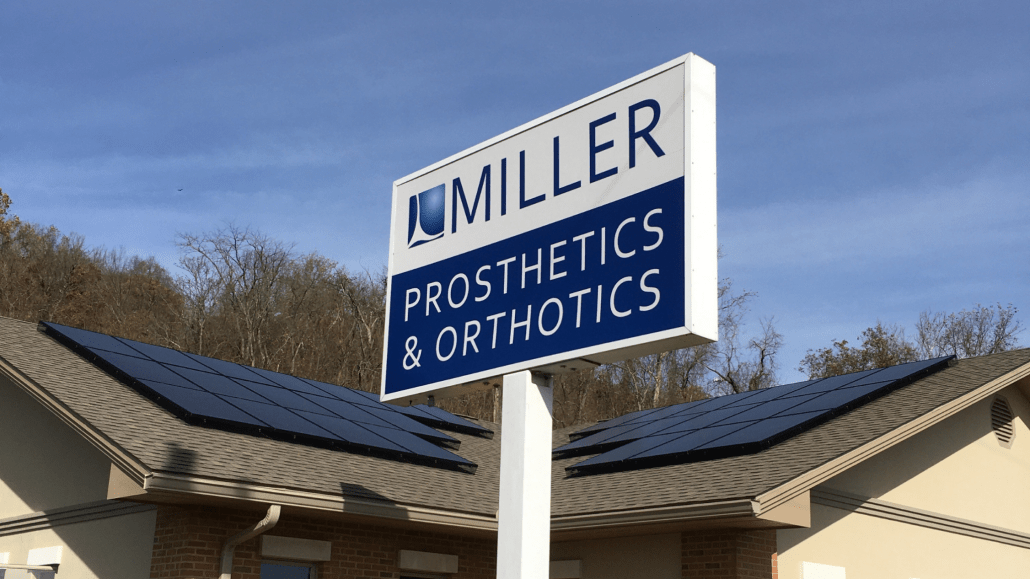
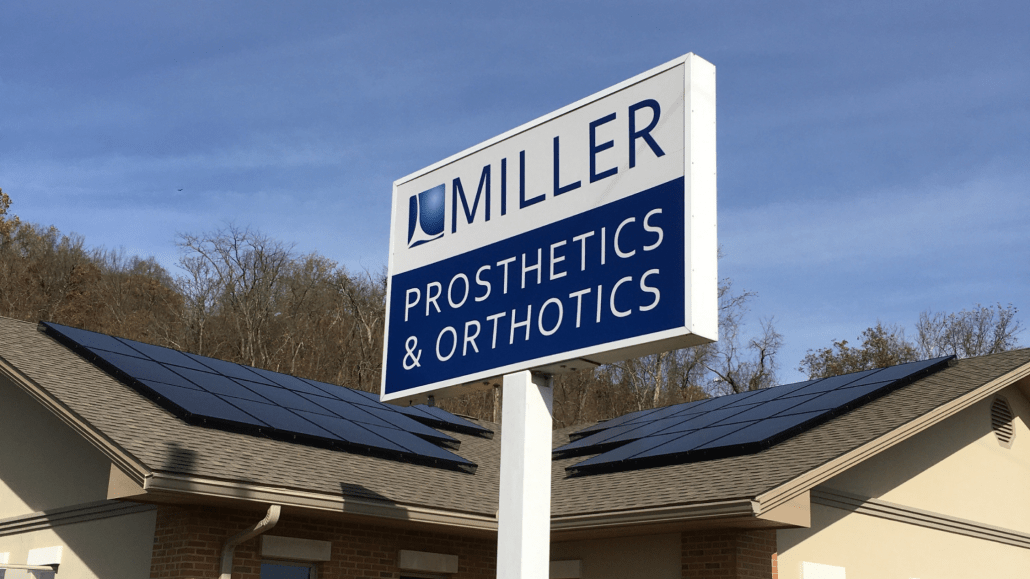
Miller Prosthetics & Orthotics

Project Overview

Nancy Miller is the CEO and co-owner of Miller Prosthetics & Orthotics in Belpre, Ohio. Her business provides prosthetic and orthotic services in the Mid-Ohio Valley. They strive to return patients back to the activity level they desire from walking and moving to running, fishing, and hunting. Kokosing Solar has been proud to work with a mission-driven business, working as a force for good in the world.

The Solar Journey

As a member of the Belpre Area Chamber of Commerce, Nancy first became interested in solar after hearing a presentation made by Luke Sulfridge with the Southeast Ohio Public Energy Council. His presentation explained the free solar assessment process.

Nancy says “Our business, Miller Prosthetics & Orthotics, is eager to stay on the leading edge of technology. We were the first in our area to request the free solar assessment which also included a quote on the service. After the assessment, I inquired about the REAP (Rural Energy for America Program) grant process with Randel Monehemius. Mr. Monehemius is the Business Program Specialist for the Ohio State office, Rural Development of the United States Department of Agriculture. He provided a list of solar companies, and I chose Kokosing Solar for a second quote.

What was the businesses motivation for going solar?  

Nancy says: We are interested in being good stewards of our environment. Clean energy is very important, and we are always exploring new technology and looking for efficient business solutions in all areas.

The solar journey for the business was straightforward. They learned that, with the REAP grant and the Federal Tax Credit for solar, the investment in solar panels would be possible. Through the quoting process, they also learned that their location provided ample sun exposure.

An obstacle they faced when going solar? Nancy says: There were several companies out there. Each quote takes time. After researching online, I selected a few companies that were close to our location and had solid experience.

When searching for a local solar installer, Nancy paid close attention to these key elements:
  • Location of the solar company
  • Strong references
  • Experience of the contractor
  • Price of the panels and installation

These are great points for homeowners and businesses alike to keep in mind when choosing a solar installer. The physical structure of our businesses and our homes are often our most valuable assets. Choosing a solar installer to modify and upgrade these valuable assets is an important task. That is why we always encourage solar shoppers we work with to ask for references, look at experience, and make sure their solar partner will be there for them throughout the length of this long-term investment.

What has the business liked most about the solar energy system – so far?

Nancy says: “We had a very good experience from getting the information needed to apply for the REAP grant to design. Jarrod Starr was very knowledgeable about the process and materials. We also found confidence after our site visit by Adam Brown. He explained the cost and benefits about locating the panels on the roof vs our initial thought of locating on the hillside behind the building. He also helped guide us in picking out panels that would look good with our building.

We were lucky with great weather for the week of installation. Jake and his crew did a nice job and were able to install without any disruption to our day to day business.

The power company, AEP, installed the bi-directional meter within a few days of the permit and we were able to turn on the panels the next day – which we were pleased to have 100% sunshine.

With the investment in Solar, Miller Prosthetics & Orthotics is acting on their intention to be environmentally sustainable.

While offsetting 100% of their energy with renewable power, this energy is enough to annually offset:

  • Greenhouse gas emissions from 3 passenger vehicles driven for 1 year
  • CO2 Emissions from charging 1,839,656 smartphones
Talk about big energy savings!

Since our installation, we have had several comments from our patients, employees and community members on how they like our new solar panels. The Solar Edge app is a great way to get immediate feedback on how much power the panels are producing. – Nancy Miller, CEO, and co-owner of Miller Prosthetics & Orthotics.

If you are interested in learning more about solar, the REAP Grant, solar incentives, and more – reach out for a free, no-obligation solar assessment.

Halpin Plumbing

Project Overview

When Cincinnati Based Halpin Plumbing began looking for a contractor to install their first solar project, they sought an established solar installer. As a small business and contractor, they knew how important is would be to choose a contractor with expertise, many positive referrals, a longstanding legacy and who will be around for the long haul. That’s why they chose Kokosing Solar.

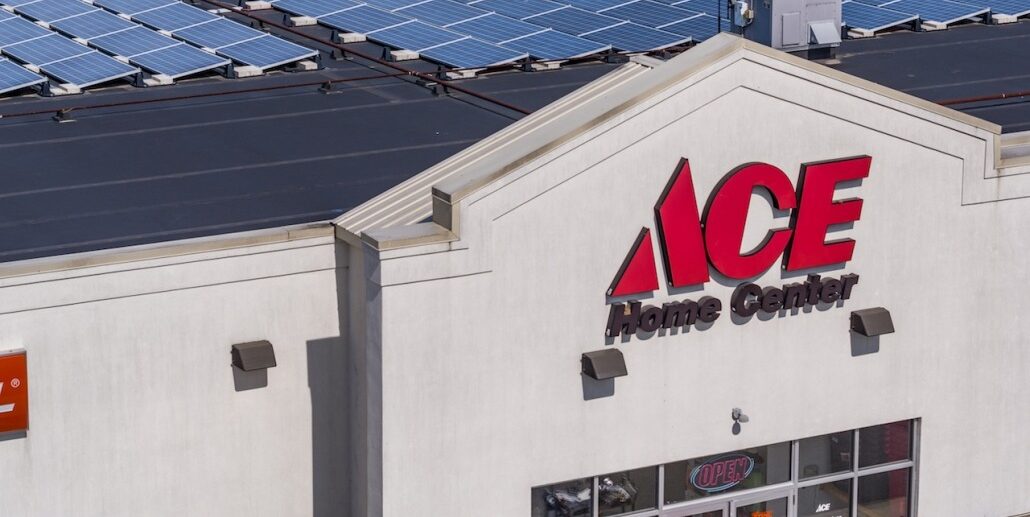
Baltimore ACE Hardware

Project Overview

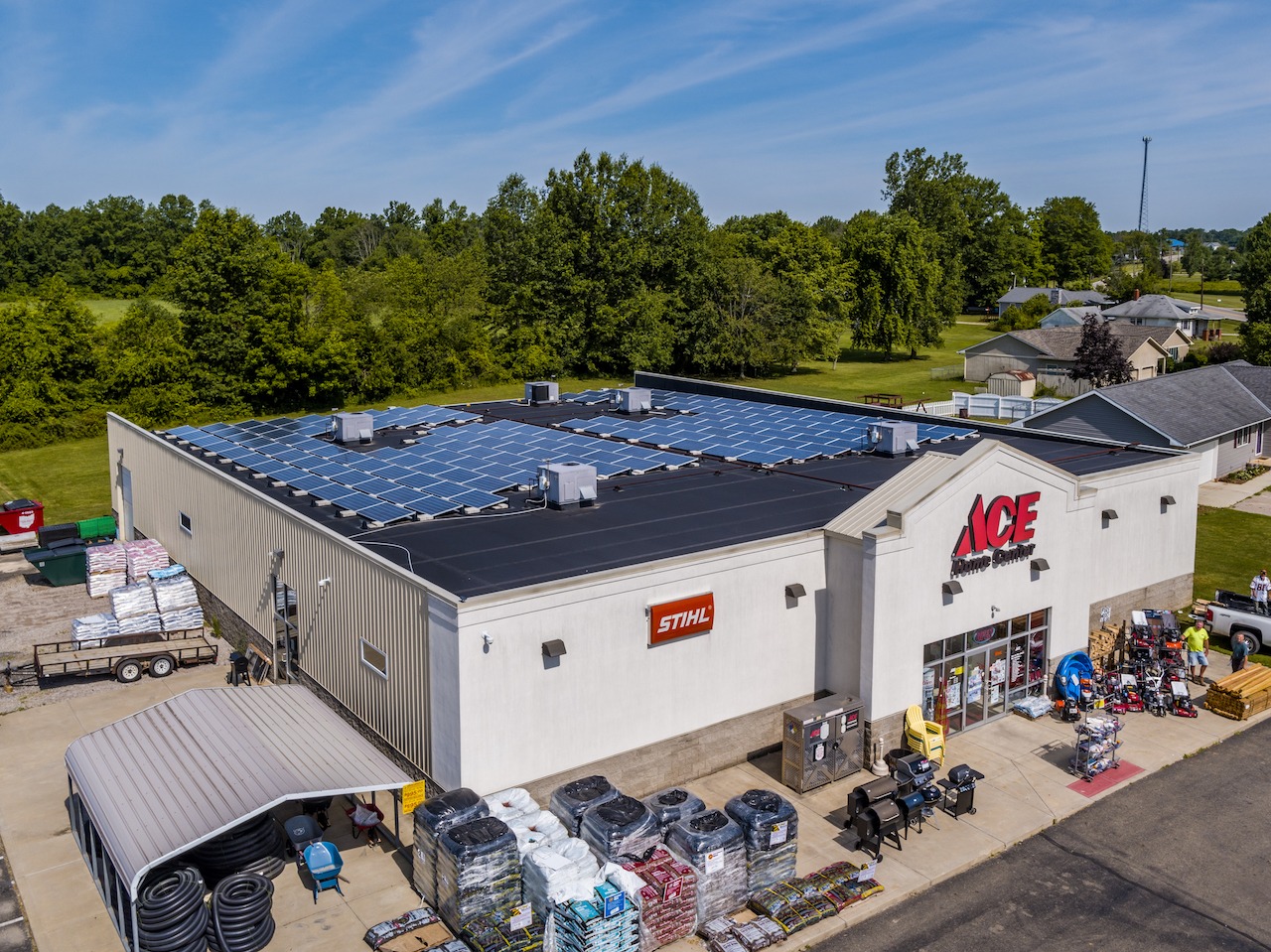
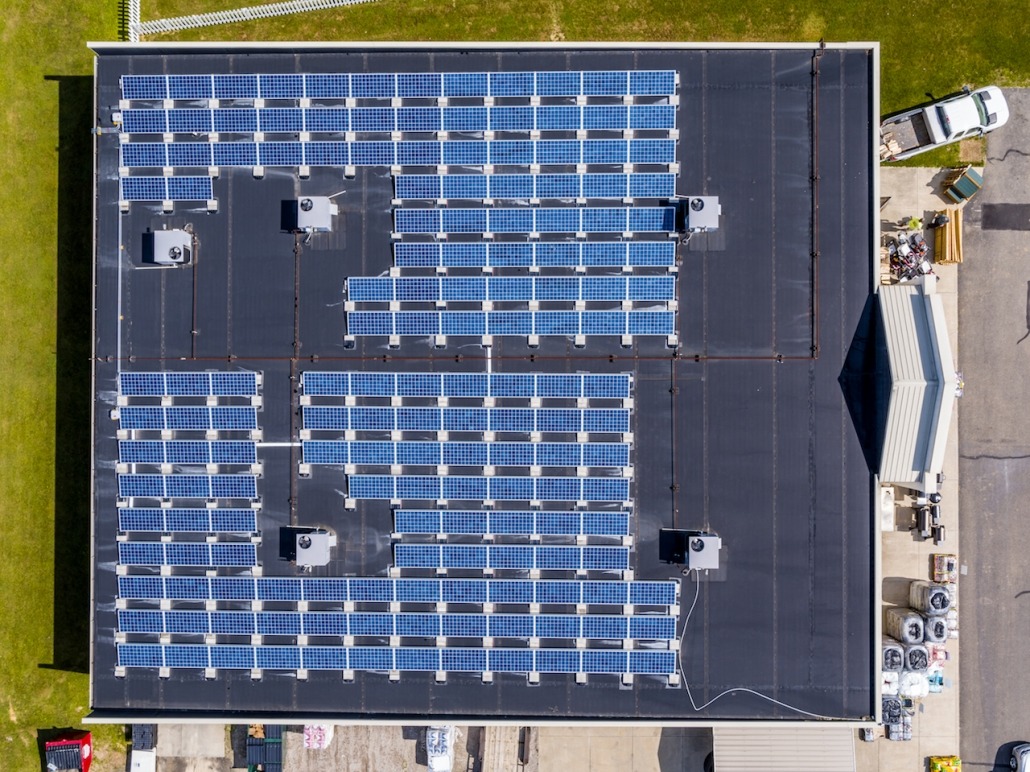
The Baltimore ACE Hardware project in Baltimore, Ohio consists of (161) 330-watt Hanwha modules mounted on the roof of the building. This creates a total array size of 53,130 watts (53.13 kW). It’s estimated that the solar array will offset 70-80% of the electricity used annually by the facility. The system is grid-tied, making net metering possible with the local utility. Because these solar panels produce DC electric, the current passes through 4 SolarEdge inverters and is converted to AC current that is synchronized with the local utility grid.

The solar project includes a SolarEdge web-based monitoring system. This tool allows the facility to view the system performance online at any time via the web portal

Federal Hocking

Project Overview
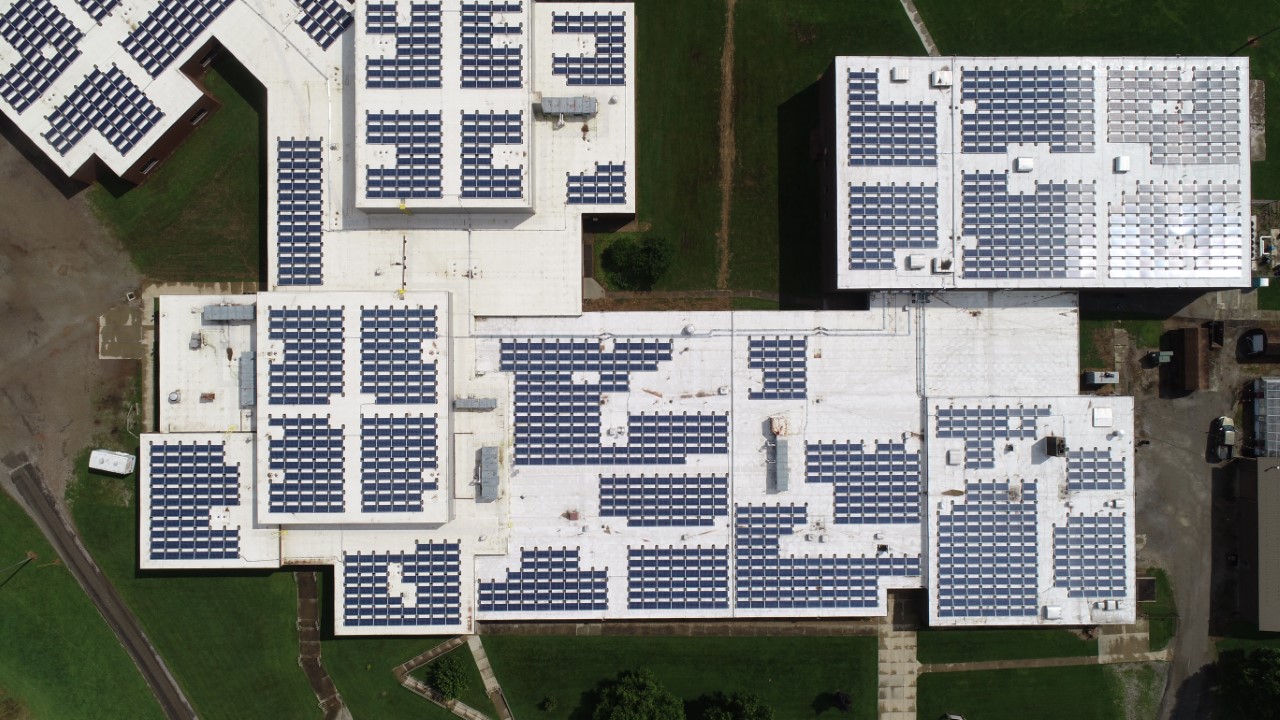
When Federal Hocking local schools sought to make their 20-year dream of solar a reality, they first called locally owned and operated Third Sun Solar for consultation. Third Sun Solar worked with the school district for years and assisted in project development and finding a financing partner. Federal Hocking selected Third Sun Solar for our expertise in both solar project development and construction. The 700 kW solar array will offset 70% of the school’s annual energy use with renewable power.
“The message here is if we can do it, anybody can do it. This should be done everywhere. We are a small, rural district. We’re not a giant district, we don’t have a ton of money, but we can make this happen and other people can make it happen to.” – George Wood, former Federal-Hocking Local Schools Superintendent
While the financial benefits to the school are very attractive, the benefits to the local economy, like the growing number of solar jobs, are also very important. Several employees who worked on the project were students at Federal-Hocking High School and Joint Vocational School.
Project Financing:
The project is a result of an innovative approach to financing renewable energy projects offered by New Resource Solutions (NRS). NRS plays “matchmaker” to entities that want to add renewable energy as a power source with investors who see the value in smaller-scale, community-centered projects. NRS then works with both parties to see the project through development to installation.
Legal and tax structure:
The array was built and installed by a partnership consisting of the installer, Third Sun Solar, New Resource Solutions, who structured the financing and Foundation Renewable Energy Company, the system owner and operator.

Cleveland/ Cuyahoga County – Cuyahoga Animal Shelter, Medical Examiner & Harvard Garage

Project Overview

Two-hundred and twenty-two solar panels have been installed at the Animal Shelter

The Medical Examiner’s Office is currently having 488 solar panels installed. Roof repairs on the Harvard Road Garage are currently being conducted, then 1,948 panels will be installed.

All installations should be completed by Spring 2020. The solar panels are expected to yield a total of 1,147,000 kwh of energy. The panels would account for 13 percent of the total load for the Animal Shelter, three percent for the Medical Examiner’s Office and 25-30 percent for the Harvard Road Garage.

https://enerlogics.com/2019/05/cuyahoga-county-partnership-with-enerlogics-solar-third-sun-solar-and-solar-united-neighbors-helps-further-solar-deployments/

Muskingum County Library

Project Overview

Muskingum County Library went solar as part of a large-scale grant through the library system.

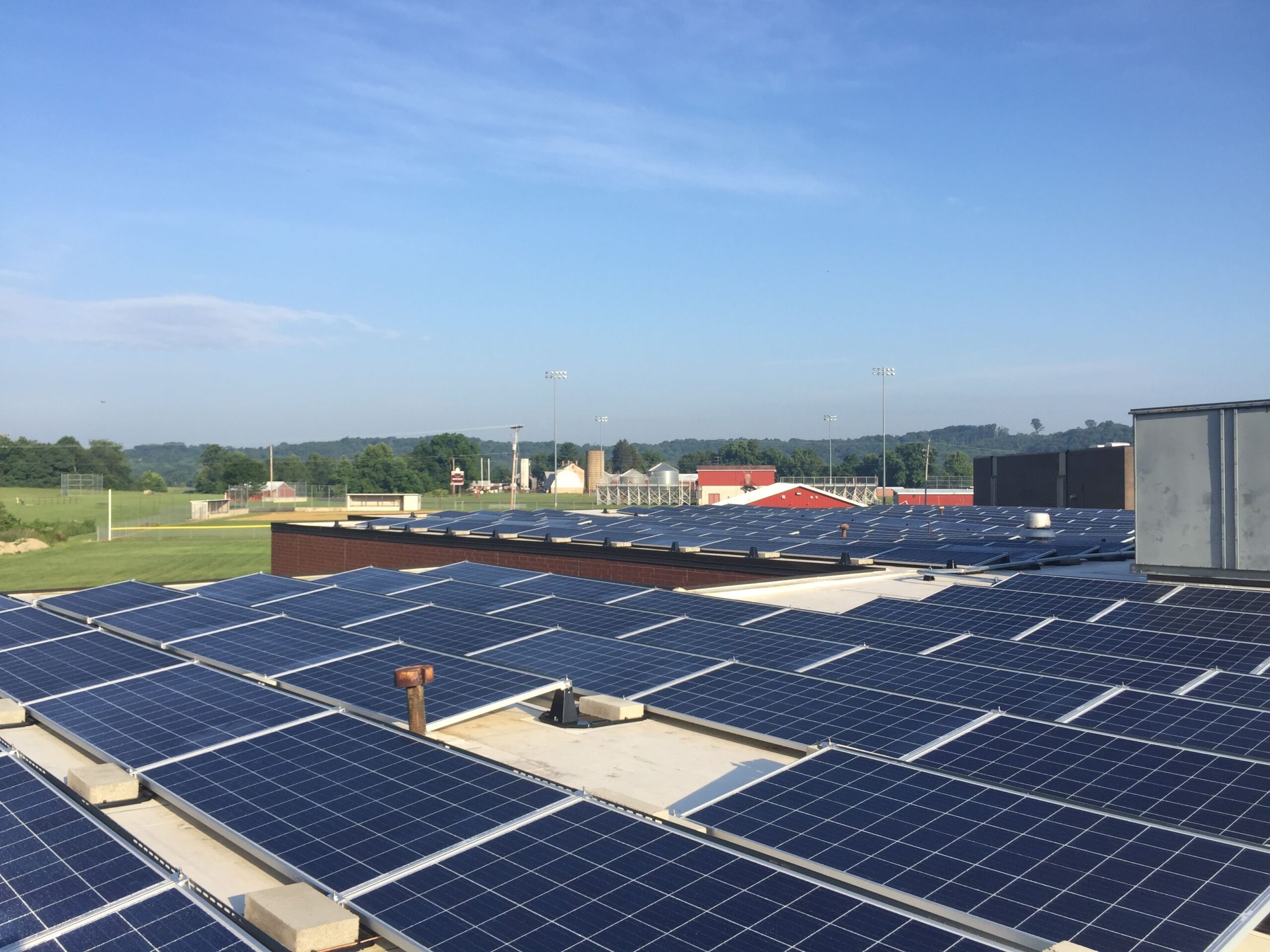
The Muskingum Library solar array is a 66.2 kilowatt system comprised of 192 solar panels. The Muskingum Library solar system will offset an annual equivalent of 57 Metric Tons of CO2.

Federal Solar Tax Credit: Does Re-Roofing Count?

Many homeowners consider reroofing prior to making the decision to go solar. Solar panels last for many years. They are warrantied at 25 years and often last 40+ years. Solar is often still functioning at 80% for the years following the warrantied life. Having a good roof to support the panels for their long life is vital.

The investment tax credit, otherwise known as the solar tax credit will allow you to deduct 26% of the cost of installing a solar system from your federal taxes.

This credit often raises a question: Can a taxpayer include the entire cost of a new roof in conjunction with the solar panels?

Upfront Tax Disclaimer

We are not tax professionals & this post does not constitute professional tax advice or guidance. We have been in the solar market for 20 years, so we are sharing our expertise. But ultimately the decision to take the cost of your re-roof on the Investment Tax Credit form is a choice between you, your family and your tax professional.

Back to the question Federal Solar Tax Credit: Does Re-Roofing Count? 

The answer: No

Don’t listen to any contractor or solar installer who tells you differently. We don’t want your family to be audited by the IRS. And we especially don’t want you or your family to have to repay the ineligible tax credit, plus interest, especially when you aren’t expecting it.

Tax regulations can be tricky to understand for those of us who haven’t studied the IRS code. That’s why we’ve taken the bits only relevant to roofing and re-roofing. We take a deep dive here.

The IRS section pertaining to eligible expenses (Sec. 25D) explicitly states:

“Qualified solar electric property costs.

Qualified solar electric property costs are costs for property that uses solar energy to generate electricity for use in your home located in the United States. No costs relating to a solar panel or other property installed as a roof (or portion thereof) will fail to qualify solely because the property constitutes a structural component of the structure on which it is installed. Some solar roofing tiles and solar roofing shingles serve the function of both traditional roofing and solar electric collectors, and thus serve functions of both solar electric generation and structural support. These solar roofing tiles and solar roofing shingles can qualify for the credit. This is in contrast to structural components such as a roof’s decking or rafters that serve only a roofing or structural function and thus do not qualify for the credit. The home doesn’t have to be your main home.”

When you go online, you’ll find different opinions interpreting the question posed. Below we’ve done some research to debunk some of the biggest arguments for including the re-roof cost when you take the solar investment tax credit.

Problem 1: The current iteration of the IRS code is not vague, but past iterations have been.

The eligible expenses section reads:

“Some solar roofing tiles and solar roofing shingles serve the function of both traditional roofing and solar electric collectors, and thus serve functions of both solar electric generation and structural support. These solar roofing tiles and solar roofing shingles can qualify for the credit. This is in contrast to structural components such as a roof’s decking or rafters that serve only a roofing or structural function and thus do not qualify for the credit.”

These sentences were not included in past versions of the code from prior years. However, they are now. The last sentence clearly states that structural components of a roof do not qualify for the solar investment tax credit.

So, be wary of stumbling on outdated guidance when researching about the Federal Solar Tax Credit and Does Re-Roofing Count?

Problem 2: Just because someone successfully claimed the tax credit for a wrong amount and didn’t get audited, doesn’t mean they were correct in doing so.

The IRS form requires no proof of purchase, receipts, contracts or invoices to prove how much you spent or what expenses were for. The form itself makes it easy to get away with anything. So, many people do. We don’t advise doing this!

Problem 3: Using the logic that “the roof supports the panels, therefore they must qualify,” doesn’t work…. your entire house could qualify then, too, right?

You can’t have a roof without a house. So could you build a house, put solar on it, and claim it all as the solar tax credit?

In Conclusion

Is the person telling you to use the solar tax credit for your roof a salesperson wanting your sale? If it’s someone who just wants a sale, this exhibits low integrity. It’s a selfish approach, and it is not based on facts. While it would be nice to be able to take the tax credit against both costs, they aren’t eligible legally. Kokosing Solar can point you to the appropriate form, but how you fill it out is between you and your tax professional. In short, we are not tax professionals and do not offer tax advice. We encourage you to speak with yours to understand how you plan to use the solar investment tax credit.

Solar Tax Credit Extension is Included in the Covid-19 Relief Bill

We are thrilled to announce the Extension of the 26% Solar Investment Tax Credit!

The United States federal spending and tax extension package was passed by congress alongside the $900 Billion Covid Relief package last week and signed into law by the President on Sunday night. This package will bring huge relief to Americans who are struggling in the face of the pandemic. It also includes several critical extensions to the solar investment tax credit (ITC).

What This Mean for Solar Shoppers and Customers

The ITC dropped from 30% to 26% in January of 2020. The solar industry has been bracing for another step down in the (quickly approaching) new year. Just a few days away from the end of the year – solar shoppers who have not yet gone solar, or have not had their project installed– have more time!

With the Extension outlined in the stimulus bill, solar buyers will receive 26% back from their system’s full turnkey cost if installed before the end of 2022. So, solar projects constructed in 2020, 2021, or 2022 are now eligible for the full 26% ITC.

Solar projects constructed in 2023 will be eligible for a 22% tax credits. After 2023, there will be no tax credit for residential solar installations. Commercial-scale solar projects will be eligible for a 10% tax credit from 2024 onwards.

Tax Credit Law – Locations

  • Original code for residential solar properties can be found in Title 26 Section 25D of the U.S. Tax Code
  • Original code for commercial solar projects can be found under Title 26, section 48
  • Extension language for residential solar can be found in the relief bill on page 4915
  • Extension language for commercial solar can be found in the relief bill on page 4908

Clean Energy Growth

We are excited by the inclusion of so many renewable energies in the bill. The inclusion of solar energy and so many clean energy alternatives in this bill will certainly spur tremendous growth and clean energy investment for years to come.

The solar tax credit has been the most significant stimulus for residential and commercial solar that the industry has seen. According to the Solar Energy Industries Association, since its implementation in 2006, the residential and commercial solar tax credit has helped the U.S. solar industry grow by more than 10,000 percent, with an average annual growth of 50% over the last decade alone.

We expect to see solar industry professions keep their stance at the top of lists predicting job growth in the years to come. This Extension will undoubtedly help us deploy more solar energy more quickly across homes and businesses across the state of Ohio and beyond. Third Sun Solar and our partners across the country are excited to continue to deploy solar energy and supply a means of gainful employment to our communities in these times of economic hardship.

To find out more about the Solar Investment Tax Credit, the Extension, and what it all means for your solar project, get in touch!

"*" indicates required fields

Name*
Subscribe to Our Newsletter

Santa Goes Solar: Case Study

All Santa & Mrs. Clause wanted for Christmas this year was to GO SOLAR. This holiday season Mr. & Mrs. Claus installed a 27.6 kW solar array at their personal home on the North Pole. They paired their solar purchase with the addition of four Tesla Powerwall’s to keep the Christmas lights lit and hot cocoa steaming hot when Northern Lights flash. These electric outbursts of solar particles often are the cause of grid failure at the North Pole.

Why Did Santa Go Solar?

This year Santa wanted to give a gift that could heal the world. And like a true Christmas Miracle, Ol’ Saint Nicholas discovered the wonders of Solar. He believed if he did his part in accelerating the shift to clean energy with a home solar installation, he really COULD begin to heal the world.

Like many folks, Kris Kringle has switched out all his holiday lights for LED’s. He knows that running lights year-round is an added household expense. “I’m not the Financial Manager at home,” Santa says with a Ho Ho Ho, “That’s my wife, Mrs. Claus.”

After undergoing a huge expansion of his personal holiday light display five years ago, which included the addition of an eleven-story fully lit Christmas Tree, the electricity bills began climbing. Mrs. Claus says: “I’ve been making a list of electric expenses and checking it twice. It was time that we started looking for an alternative to the way we’ve been doing things for the past hundred or so years. Of course, I will never get in the way of adding lights, candy cane machines, and additional tools in Santa’s home office. But when I saw the electricity rates begin to climb, I told Santa that we may need to look for alternatives.”

For Santa, his motivations for going solar were primarily environmental.

In the spirit of Christmas, Santa says that he’s most excited to comply with the Paris Climate Agreement. Santa recognizes his visibility and, as a public figure, is determined to comply with guidelines surrounding the reduction of greenhouse gas emissions and the advancement of sustainable energy.

“I used to abide by the old adage: “Naughty kids get coal, Nice kids get solar panels!” but over the years, I’ve come to realize the bigger picture – all kids get Solar Panels.

“This year we’re experiencing some changes. We are having to walk further and further to find a decent ice-skating rink. It is harder and harder to recruit reindeer to fly the sleigh. And on the big night when Santa Clause comes to town, in some places of the world the air quality is so poor Rudolph’s nose can’t shine so bright.”

It is important to start sending the message now to kids, Naughty or Nice – they’re going to need to be a part of the solution!

Solar Incentives

When asked about incentives, Santa said that the United States tax credits did not apply in the North Pole. But he is glad that the US Federal Tax Credit for solar will be available until the end of 2021. Speaking from experience Santa says: “Even without incentives, it is still worth going solar!”

The Solar Installation…

Santa can recognize a specialty when he sees one. The solar installers weren’t the first humans to visit Santa and the elves over the years, but they have been some of the few.

He said he thought about asking the elves to design, permit & install the system, but between their lack of expertise in anything outside of small toy electronics and the backlog of holiday toy-making – it was worth inviting humans up to the north pole to install the solar energy system professionally.

Santa chose REC solar panels for their high-efficiency, durability and 25-year product warranty. He was also quite pleased with the black-on-black design, which he knows his out-of-town guests will find quite attractive.

Always looking to the future…

“We’re excited to have an electric powered sleigh of the fleet this year. And to be delivering solar panels to homes across the world. It’s an honor to do my part in creating a brighter future.”

“And don’t think that up on the rooftop I don’t notice who is else is doing their part, Santa is always watching!” he said with a wink.

20 Years of Back and 20 Years Forward, Solar in Ohio

20th Anniversary Celebrations Coming to a Close

2020 is just about over, which means that Third Sun Solar’s 20th Anniversary year is coming to a close. We have published blog posts, videos, photos and social media items all year long to illustrate our long and interesting history in the young and inspiring clean energy industry.

When Geoff and Michelle started Third Sun Solar in the year 2000, they had a dream to follow their passion for “right livelihood” – to start a business that aligned with their desire to prove that clean electricity production is possible, that environmental preservation and reducing pollution is imperative, and that there is an alternative to the status quo of buying electricity from large billion-dollar corporations.

From their first employee in 2002, to their current team of 35 and growing, the Greenfields have stood by those founding passions and inspired others to join them in the mission to Accelerate the Shift to Clean Energy. Third Sun Solar was one of the first in Ohio to build solar before net metering existed and when costs were over $10 a watt in the early 2000s. They have watched as costs have fallen over the years: $9 a watt in 2007, $7.5 a watt in 2010, below $4 by 2016, and now 2020 hovering around $3 a watt. With each drop in costs, solar has become more and more accessible to more of the population.

Business as a Force for Good

Third Sun Solar put its notion of “business as a force for good” as a public priority in 2012 when it became certified as a B Corporation – an expression of its commitment to not only being a profitable company, but also putting the planet and people on equal footing with monetary measures of success. The following year, 2013, the company hit the Inc. 5000 fastest-growing companies list for the 5th time in a row, proving that a company can do well by doing good.

In 2020, Solar Power World’s Top Solar Contractors listing ranked Third Sun Solar is the #1 solar installer in Ohio and #50 in the nation for lifetime kilowatts installed. With over $75 million in sales and more than 1200 projects installed, Third Sun is truly living out the founders’ dreams of proving that producing clean electricity from the sun is not only a possibility, but that it is a growing reality.

The momentum of 20 years of expertise and action is the foundation on which Third Sun stands poised and ready for the next 20 years.

Third Sun Solar’s long tenure in solar has given them a front seat on the “solar coaster”. They know what it means to ride the ups and downs of this emerging industry, subject to the changes in political will or lack thereof; issues of global supply and tariffs; and both lack of consumer knowledge and an emerging boom in solar awareness.

The next 20 years of solar and clean energy looks bright.

The next 20 years of solar and clean energy looks bright. The industry has scaled to the point that costs are competitive with fossil fuel energy sources. It is no longer an environmental or an economic decision to go solar. It now makes sense on both counts. Soon, solar panels on homes, schools, businesses, and on rural farms will be as commonplace as air conditioning units or refrigerators are in our buildings. The market for solar power, while it has gone up and down over the last 20 years has been on a steady and consistent climb, with no indication of slowing the ascent.

As the solar coaster continues its upward ride, so will Third Sun Solar. In the unfolding of the next 20 years, expect to see the Third Sun team in more places around the region, making it even easier for people to take producing their own clean power into their own hands. There are exciting times ahead, for the company, the region, and the planet. The next 10 years have been called the “Solar Decade” and Third Sun Solar is ready to continue to be a force in the bright future of clean energy!

The Biden Election and Clean Energy: What to Expect

By: Geoff Greenfield, Third Sun President, and co-founder

As the dust settles around the election many are asking: “What does the election mean for clean energy in general?” and “How will a Biden Presidency impact my own plans for going solar?”

As divisive as our recent politics have become, clean energy and concern about the climate remains popular with Americans on both sides of the aisles. America is a technology focused society and many, including Wall Street, are very optimistic about the future of clean energy. While Biden campaigned heavily on climate and his $1.7 Trillion “Biden Plan”, he is probably entering office with a divided congress, so our focus here is on what is likely and achievable in this scenario.

With control of both houses of Congress Biden and the Democrats will be able to enact more aggressive legislation. In this case, with a VP vote as the tiebreaker in the Senate, the threat of a filibuster is very real. This threat, combined with Biden’s pledge (and track record) of bipartisanship, we still expect a much more moderate agenda. Compromise will dilute the full strength “Biden Plan” published during the campaign. Given the speed of the legislative process, rulemaking, and court appeals, we expect that any version of a “Biden Plan Light” would not impact the solar marketplace until 2023 at the earliest.

Solar as part of COVID-19 Relief

Congress is currently working on a bill focused on the COVID-19 crisis and jumpstarting the economy. While there will be name-calling and horse-trading, most political observers and economists are expecting fast bipartisan compromise . Part of that horse-trading will involve clean energy policy. We expect that a lot of the money invested in job creation (with a focus on major infrastructure projects) will include a clean energy focus. Take a look back to the Obama-Biden recovery act after the 2008 housing crisis to see the history we expect to be repeated: support for weatherization, energy upgrades, efficient transportation, and solar on the rooftops of public buildings.

We expect more of this: solar on the roofs of public buildings, investments in batteries for resiliency at public shelter sites and police and fire stations, as well as a huge investment in EV charging stations at locations ranging from libraries to highway rest stops. Republican cooperation may be achieved with giveaways to utilities in the form of deferred grid infrastructure, nuclear, controversial carbon capture schemes, and “clean coal”.

  • 12/28/2020 Update: Read more on the passage of the Covid-19 relief package + tax credit extensions here.

An Extension of the Solar Investment Tax Credit

One hopeful area of bipartisan compromise may be extending (or expanding) the popular tax credit that supports solar. The solar Investment Tax Credit, or ITC, has gone through several stages of expiration and resurrection after its original passage in 2005 under the Bush administration. The ITC has long been considered “the lifeblood” solar incentive in the United States. According to the Solar Energy Industries Association, the residential and commercial solar Investment Tax Credit has helped the U.S. solar industry grow by more than 10,000% since it was implemented. The solar tax credit was originally intended to expire in 2007 but has seen multiple extensions leading up to our current situation: a stepped down “sunset” from 2020 to 2022.

Under the current timetable, the credit declined to 26% for systems placed in service in 2020 and drops to 22% for 2021 and then in 2022 drops to zero for homeowners and levels out at 10% for commercial entities. One of the primary hopes of the solar industry at large is to see an extension of the tax credit. Tax credits are often popular with Republicans, and in fact, in 2019 Senator Mitch McConnell approved a tax bill that included an extension of the solar and EV tax credits only to have them eliminated by Trump. While I don’t think there are Las Vegas oddsmakers for such things I’m going to go out on a limb and predict that there is a greater than 50% chance that we see an extension (or even restoration to 30%) of this popular job creating tax credit in the coming year.

  • 12/28/2020 Update: Read more on the passage of the Covid-19 relief package + tax credit extensions here.

Solar Tariffs

Another policy issue that Biden may attempt to use his executive authority is the solar tariff. In 2018 the Trump administration enacted a 30% tariff on most solar cells and modules produced outside of the United States. While this did result in a few domestic module assembly plants, economists and analysts have concluded that it has created net job losses in the solar sector. The few manufacturing jobs created were overshadowed by job losses in designing, installing, servicing and supplying in the solar installation sector.

Something to note here is that tariffs are less of a factor for residential solar customers (raising costs 1-2% for a typical residential scale project compared to the 8-10% cost increase on the huge utility-scale solar farms being built across the country). Ultimately the International Trade Commission makes decisions on these tariffs, though the President has significant influence in making a case for or against them.

The Big Picture

So… after that overview of what may or may not happen depending on control of Congress and the complexities of political compromise, here are some of the very likely actions we expect to see that are within the President’s executive authority. Many of these actions are described in more detail in this article.

We already mentioned the immense impact of the Federal Government focusing its $500B annual budget on clean energy. The Department of Defense has been moving in this direction for years and will likely accelerate investments in solar and micro-grids. A “climate-focused” cabinet is being named as I write, including John Kerry in a new cabinet level role focused exclusively on climate. As we (re)enter the Paris Climate Agreement we expect many global and domestic policy moves.

Biden will use the Securities and Exchange Commission (and possibly the Federal Reserve and the Treasury Department) to influence the private sector and capital markets. He will mandate the inclusion of climate risk reporting, and this will impact the approach to investment underwriting for many financial analysts and investors. This phenomenon is already happening in the global markets, as powerful investors continue to downgrade the once powerful fossil fuel giants, sending their share prices and market caps tumbling. The impact of this is two-fold. As investments are less likely to move into carbon exposed businesses, they are more likely to flow toward clean energy replacements. As their financial power wanes, so too shrinks their political influence in Washington and state capitals. The lobbyists that used to spoon-feed their legislation to our lawmakers will no longer be on speed-dial as they have less and less to donate to PACs and re-election campaigns.

The Biggest Climate Action We Expect

Using his executive powers, the biggest climate action Biden will take will be to begin accounting for the “true cost of carbon” in the pricing of our energy markets. This “tragedy of the commons” has been long lamented by environmentalists and economists alike. While I do expect that these externalities are finally internalized, I do not expect a carbon fee, cap and trade, or any of the other direct carbon pricing mechanisms favored by economists to be enacted (at least in a first term). Biden did not include them in his “Biden Plan” and did not talk about them in his campaign. Instead, I expect he will start with many less politically challenging mechanisms available An example of this low-hanging fruit is removing the $20B/year in subsidies that are currently given away to fossil fuel interests.

I predict he will remove various protections that open polluters up to paying damages. He has pledged to stop issuing new drilling leases on Federal Land. Perhaps most impactful will be the regulation of Methane (and possibly Carbon) as pollutants, leading to the uptick of effective (and expensive) mitigation technologies. The net result of ALL of these steps will be an uptick in the price of brown energy to the consumer. Raising brown power prices to better reflect their true cost is as powerful as lowering the price of clean energy with policy support. This is a powerful phenomenon, and if amplified over time is another factor in what has been described as “the utility death spiral”. As better solar economics leads to more deployment, the utilities fund their bloated operating costs by raising prices. This in turn leads to more uptake of solar which lowers the cost of solar which leads to better solar economics… and then more of the same (you get the picture).

Finally, we expect Biden’s Department of Justice to aggressively go after polluters, especially those who have impacted the air, water, and soil of communities of color for decades. This focus on intersectionality, equity, and environmental justice was a key campaign theme and will result in real improvements in air and water quality for millions of citizens. Additionally, this focus will eliminate another aspect of the “free ride to pollute” that artificially subsidizes the cost of fossil fuel energy. As rates go up, reflecting the true cost of dirty energy, the incentive for consumers to invest in efficiency and shift to cleaner alternatives will be a natural market outcome.

The Bottom Line

As I have laid out above, I do not predict that we will see the sweeping vision of the Biden Plan as published during the campaign. Instead, we will get a series of tactical moves that will still add up to have a big impact. If you are considering solar for an institution or unit of government, I recommend you wait until mid-2021 for details of the coming support. In the meantime, I suggest that you begin to explore your options and position your organization to be competitive by getting projects ready (Third Sun Solar is ready to help).

For those considering solar for their home or business, there is no reason to wait. As I laid out above, we don’t expect any new policies that would directly impact solar economics for private businesses and homeowners. Solar has already moved from an environmentally righteous action of tree huggers to being a long term economically smart move. We are hopeful for a tax credit extension and while we aren’t giving out tax advice, we believe that it is safe to expect that any projects placed in service in 2021 that qualify for the current tax credit would qualify for any new and improved tax policy. As we laid out, we see the biggest policy impacts on the horizon accelerating the (inevitable) rise in the cost of dirty energy. Investing in on-site solar has always been a “hedge” against energy cost volatility, and with the coming Biden policies, we see a big jump in the price of brown power. The sooner we make a shift to clean energy, (each of us as individuals and together as a nation) the sooner we will enjoy the many beneficial outcomes: in our monthly budgets, in the air we breathe, and in the stability of the world we leave for future generations.

Solar Business in Ohio

Nancy Miller is the CEO and co-owner of Miller Prosthetics & Orthotics in Belpre, Ohio. Her business provides prosthetic and orthotic services in the Mid-Ohio Valley. They strive to return patients back to the activity level they desire from walking and moving to running, fishing, and hunting. Third Sun Solar has been proud to work with a mission-driven business, working as a force for good in the world.

The Solar Journey

As a member of the Belpre Area Chamber of Commerce, Nancy first became interested in solar after hearing a presentation made by Luke Sulfridge with the Southeast Ohio Public Energy Council. His presentation explained the free solar assessment process.

Nancy says “Our business, Miller Prosthetics & Orthotics, is eager to stay on the leading edge of technology. We were the first in our area to request the free solar assessment which also included a quote on the service. After the assessment, I inquired about the REAP (Rural Energy for America Program) grant process with Randel Monehemius. Mr. Monehemius is the Business Program Specialist for the Ohio State office, Rural Development of the United States Department of Agriculture. He provided a list of solar companies, and I chose Third Sun Solar for a second quote.

What was the businesses motivation for going solar? 

Nancy says: We are interested in being good stewards of our environment. Clean energy is very important, and we are always exploring new technology and looking for efficient business solutions in all areas.

The solar journey for the business was straightforward. They learned that, with the REAP grant and the Federal Tax Credit for solar, the investment in solar panels would be possible. Through the quoting process, they also learned that their location provided ample sun exposure.

An obstacle they faced when going solar? Nancy says: There were several companies out there. Each quote takes time. After researching online, I selected a few companies that were close to our location and had solid experience.

When searching for a local solar installer, Nancy paid close attention to these key elements:

  • Location of the solar company
  • Strong references
  • Experience of the contractor
  • Price of the panels and installation

These are great points for homeowners and businesses alike to keep in mind when choosing a solar installer. The physical structure of our businesses and our homes are often our most valuable assets. Choosing a solar installer to modify and upgrade these valuable assets is an important task. That is why we always encourage solar shoppers we work with to ask for references, look at experience, and make sure their solar partner will be there for them throughout the length of this long-term investment.

What has the business liked most about the solar energy system – so far?

Nancy says: “We had a very good experience from getting the information needed to apply for the REAP grant to design. Jarrod Starr was very knowledgeable about the process and materials. We also found confidence after our site visit by Adam Brown. He explained the cost and benefits about locating the panels on the roof vs our initial thought of locating on the hillside behind the building. He also helped guide us in picking out panels that would look good with our building.

We were lucky with great weather for the week of installation. Jake and his crew did a nice job and were able to install without any disruption to our day to day business.

The power company, AEP, installed the bi-directional meter within a few days of the permit and we were able to turn on the panels the next day – which we were pleased to have 100% sunshine.

With the investment in Solar, Miller Prosthetics & Orthotics is acting on their intention to be environmentally sustainable.

While offsetting 100% of their energy with renewable power, this energy is enough to annually offset:

  • Greenhouse gas emissions from 3 passenger vehicles driven for 1 year
  • CO2 Emissions from charging 1,839,656 smartphones

Talk about big energy savings!

Since our installation, we have had several comments from our patients, employees and community members on how they like our new solar panels. The Solar Edge app is a great way to get immediate feedback on how much power the panels are producing. – Nancy Miller, CEO, and co-owner of Miller Prosthetics & Orthotics.

If you are interested in learning more about solar, the REAP Grant, solar incentives, and more – reach out for a free, no-obligation solar assessment.

"*" indicates required fields

This field is for validation purposes and should be left unchanged.
Name*
Address*

Get Started

Get Started