Updated February 17, 2026: How Much Does Solar Cost in 2026? A Clear, Updated Guide
One of the first questions homeowners ask us is: “How much will solar cost me in 2026?”
You may have had the experience of using AI and solar calculators to try and find an answer to this question.
Kokosing takes the classic approach of customizing our solar quotes for each of our clients’ individual circumstances.
However, we understand that having ballpark pricing for solar costs when you’re first starting your solar journey is important, so we’ve broken it down below.
No Federal Tax Credit for Homeowners
There is still plenty of outdated information online claiming that the 30% residential solar tax credit is still available in 2026. While that isn’t the case anymore – there are still incentives available.
In 2026, the economics of solar look different than they did a few years ago. Federal policy changes have reshaped how people go solar.
The old 30% federal solar tax credit for homeowner-owned systems (Section 25D) expired on December 31, 2025. Systems installed in 2026 no longer qualify for a federal tax credit if you purchase them with cash or a loan.
This major change is why you’re seeing more talk about third-party owned systems, or PPA’s (Power Purchase Agreements). These models still qualify for federal incentives (claimed by the third-party system owner) through 2027.
So… How Much Does Solar Cost in 2026?
Typical Pricing
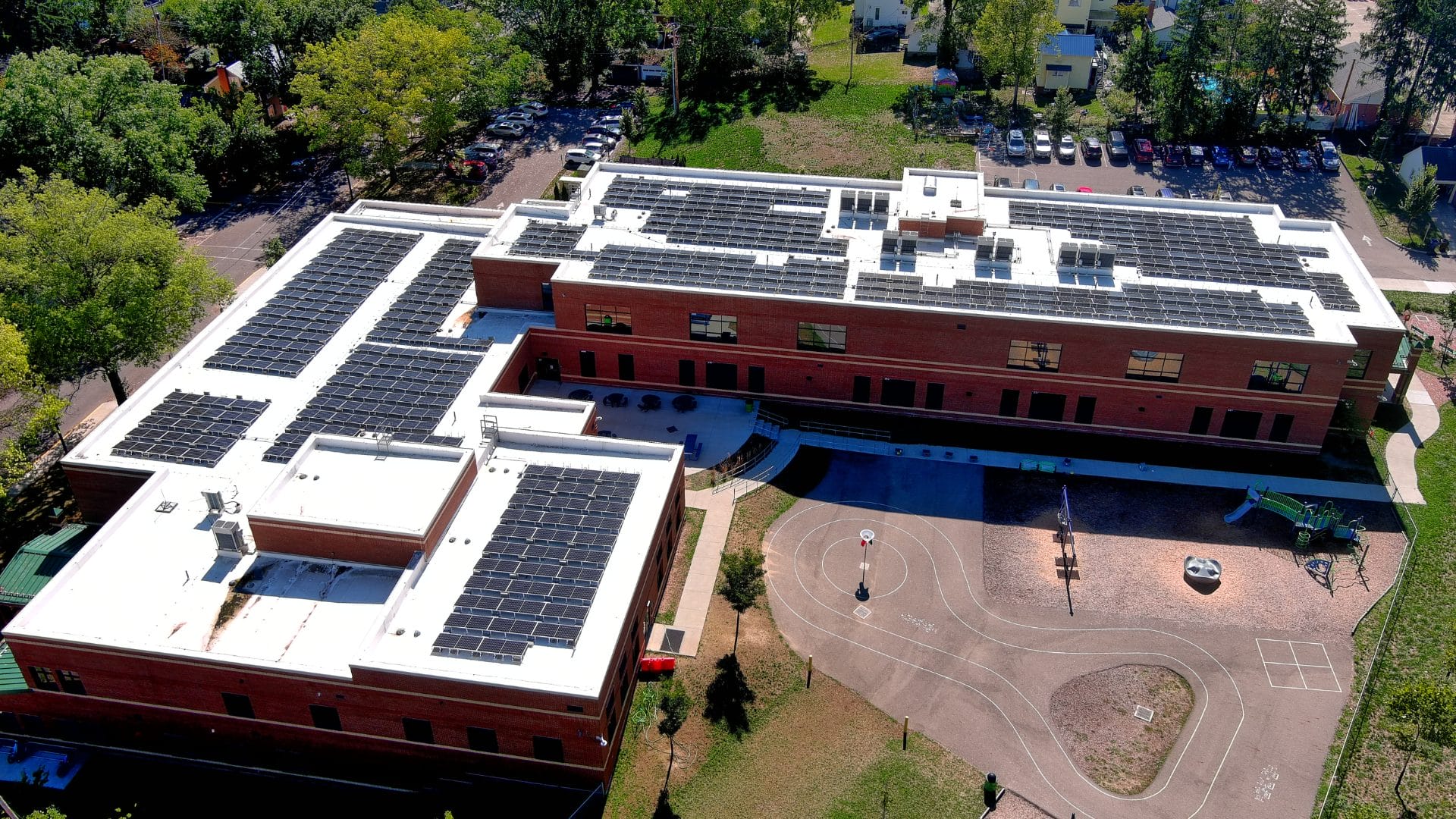
Our average home solar panel system costs $32,000. For the typical home in Ohio, solar prices last year come in a range from about $25,000 to $40,000. All our systems are custom designed, so the average price is just an average.
Looking at the big picture: the price of home solar can range from $15,000 – $100,000 based on your energy usage, goals, batteries, and budget.
The reason it is hard to find an easy answer to your question is because solar systems are custom designed based on several factors unique to you (more below). The best way to get an answer is to sign up for a free, no-obligation solar quote.
Solar Cost Breakdown
- Solar Panels – the biggest part of your solar system
- Inverter – converts the energy generated from the solar panels (DC/ direct current) into energy that can be used by all the appliances and systems in your home (AC/ alternating current)
- Racking – attaches the solar panels to your roof or in place and angled in your yard
- Installation labor – our highly experienced in-house crew installs all the parts and pieces of your new clean energy power plant
- Design, permitting and admin – as a full turnkey installer, our team designs your system and files all permits with your local utility and inspection department. We take care to ensure that your local utility does their work needed to ensure the successful commissioning of your array.
- Other parts and pieces – nuts, bolts, wires, fuses all are all the small pieces necessary for a quality, long-lasting solar system.
Major Cost Variables
System Size
Price Impact: Boundless
Size is the most obvious adder when you consider solar. The size of the solar system will determine the system’s cost. As your system increases in size, it will require more materials and labor which will increase the price. But due to the economy of scale, as your system gets bigger the price per watt will come down. In other words, as you add more solar the number of watts you get for each dollar you spend goes down. (more on how we size a system below).
Ground Mount vs. Roof Mount
Price Impact: 10% – 15%
Our typical residential solar array is mounted on the roof of a home. But, in rural areas where land is more available and shading might be an issue on the roof, some of our customers opt for a ground-mounted solar array. Because the trenching adds more labor to the job and the racking system requires more materials, the price for a ground-mounted solar array usually increases the cost of the project by about 10 – 15%. Over time, however, the added cost will be worth it. You may save more money by generating more power over the lifetime of the system.
Battery Storage
Price Impact: Varies Widely
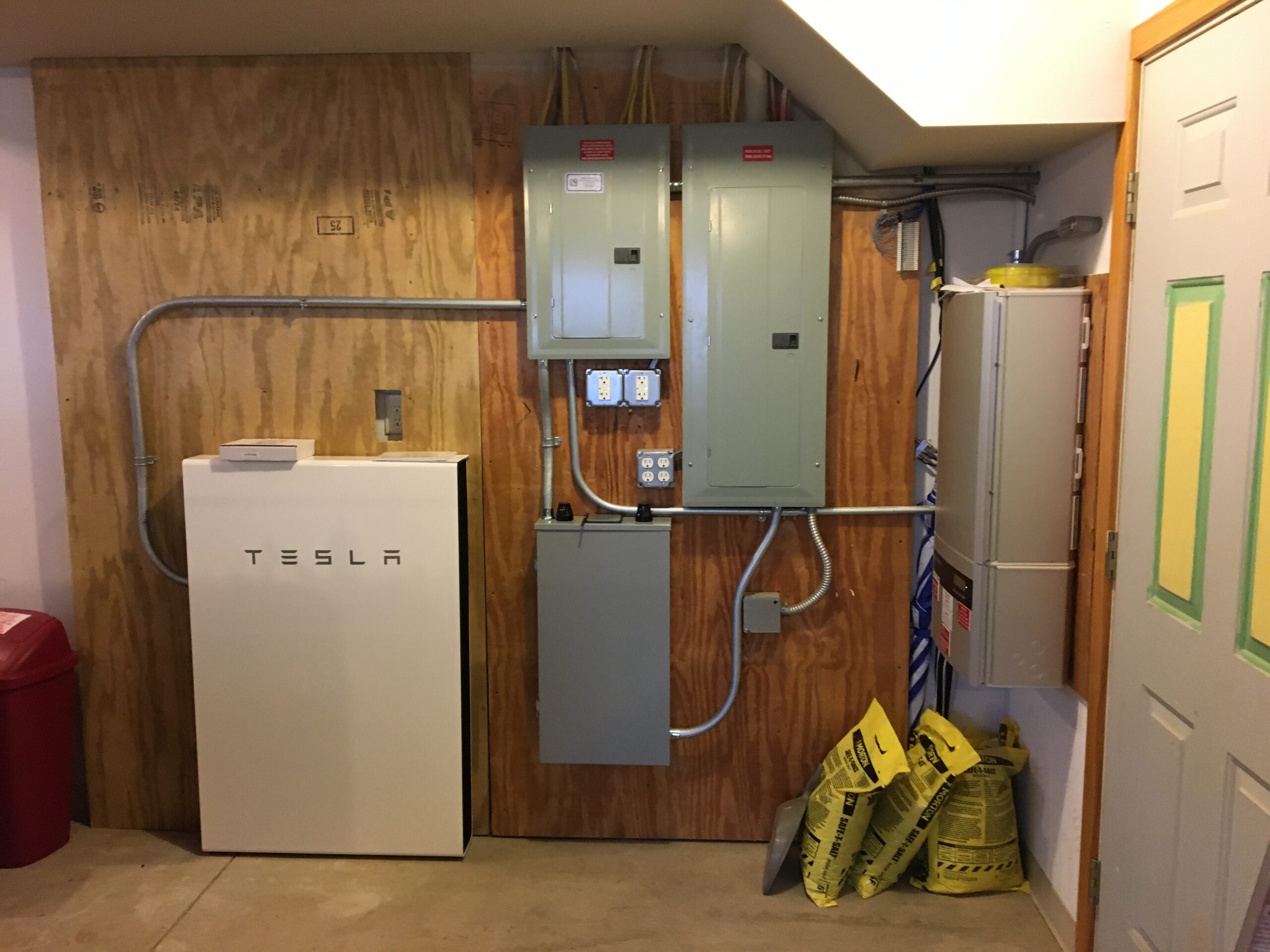
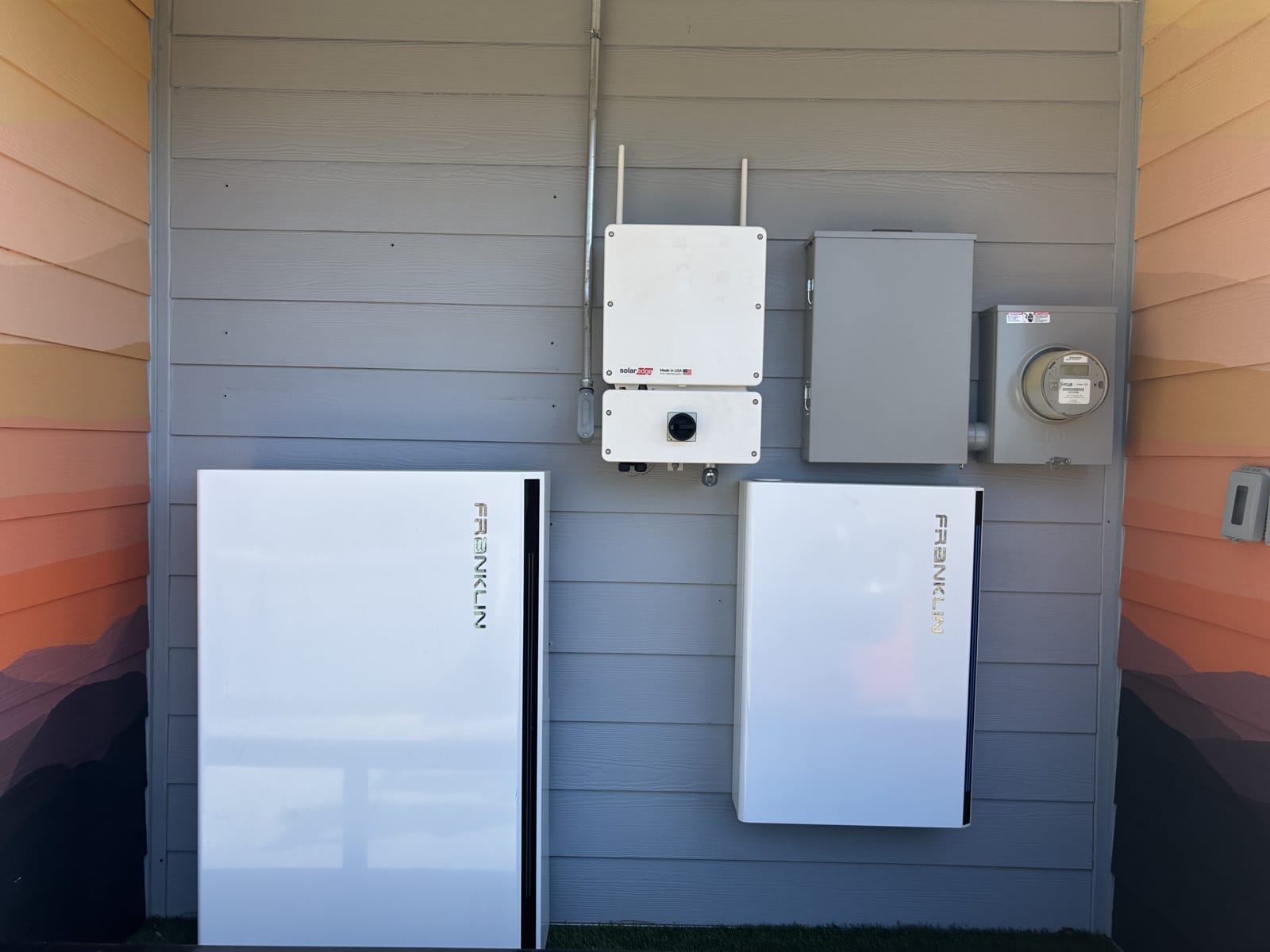
Whether to increase self-consumption of solar rather than exporting it back to the grid or to have reliable power in times of power outages, batteries are exploding on the market. They are optional add on, not required when you go solar. We encourage solar shoppers to think about if solar batteries are part of their goals when going solar.
If system cost payback is most important to you – due to cost, batteries may not make sense.
But if energy resilience and having power during an outage is one of your goals, you’ll want to explore your solar energy storage options.
How we determine the size of your solar panel system
We determine the right size for your solar panel system by analyzing your electric bills to calculate your annual electricity consumption, then designing a system that produces roughly 100–120% of that yearly usage so you can offset as much of your utility power as possible.
We also factor in practical design constraints, including how many panels can physically fit on your available roof or ground space, the orientation and shading of those areas, and your long‑term energy goals (such as future EV charging or electrification).
By combining your actual energy data with your home’s solar potential, we tailor a system that’s both appropriately sized and optimized for long‑term performance.
2026 Solar Cost Without the Federal Tax Credit
Even without the federal tax credit, solar still makes sense:
How to Start Your Solar Evaluation in 2026
Our Solar Consultants help you evaluate:
- Ownership vs. lease/PPA
- Expected payback under current 2026 rules
- Options for $0-down financing
- Net metering
- Battery storage strategy
Even without the federal tax credit, most homeowners find they can still reduce their monthly power bills.
Solar Cost in 2026 – the Bottom Line
- Average residential solar system: ~$30k–$40k
- Federal homeowner tax credit: No longer available after 2025
- Solar still pays back, especially in high‑rate states (like Ohio)
- The Best way to know how much solar costs: Get a custom quote!